Political Reactions to BBC Leadership Changes Reflect Broader Media Tensions
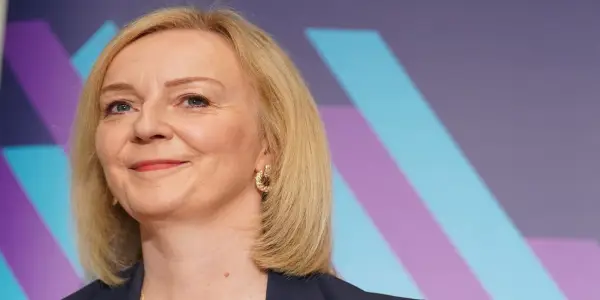
The recent resignations of key BBC leaders have sparked a wave of reactions from British political figures, particularly on the right, as the corporation navigates its upcoming charter renewal.
In-depth analysis
Background context
The resignations of Tim Davie and Deborah Turness from the BBC have spotlighted ongoing debates about the broadcaster's independence and its perceived political biases. With the government gearing up for charter renewal negotiations, these changes evoke historical tensions surrounding media impartiality, particularly when political sensitivities run high, raising questions about the BBC's future direction.
Key political implications
The recent leadership changes at the BBC could significantly influence the upcoming charter renewal discussions, as political factions leverage the situation to advocate for their views on media governance and funding.
Who gains / who loses
Right-leaning politicians may gain traction by pushing for reforms that challenge the BBC's current structure, potentially appealing to their base. Conversely, the BBC risks losing public trust and credibility, which could undermine its position as a public broadcaster.
Possible future scenarios
As political pressures mount, the BBC could face increased demands for reform, possibly leading to a shift in leadership that prioritizes private sector influences. Alternatively, sustained public support may reinforce its commitment to editorial independence.
Did you know?
Why you should know this
The resignations of key BBC leaders highlight a pivotal moment for the UK's public media landscape. As the government approaches charter renewal discussions, the outcome could affect how news is reported and consumed. With political affiliations influencing leadership, this impacts not just media integrity but also the information that shapes public opinion and policy decisions in everyday life.
Behind the political curtain
In the early 2000s, the BBC faced a significant backlash over the Andrew Gilligan report on the Iraq War, which led to the Hutton Inquiry. This controversy revealed deep-seated issues regarding the BBC’s relationship with government power, highlighting the ongoing struggle for editorial independence that remains relevant today.
Ordinary person in an extraordinary situation
Consider Sarah, a 34-year-old teacher from Manchester who relies on BBC News for balanced reporting in her classroom discussions. With the recent leadership shake-up, she feels uncertain about the future of impartiality in her students' news sources. The pressure from politicians has left her questioning whether the information she provides will remain credible. For Sarah, the BBC isn't just a news outlet; it's a cornerstone of her educational framework. She worries that if the BBC's impartiality is compromised, the discussions in her classroom may skew, affecting how the next generation perceives critical issues. Her concerns underscore a broader fear that the fight for media independence could ultimately reshape public discourse.

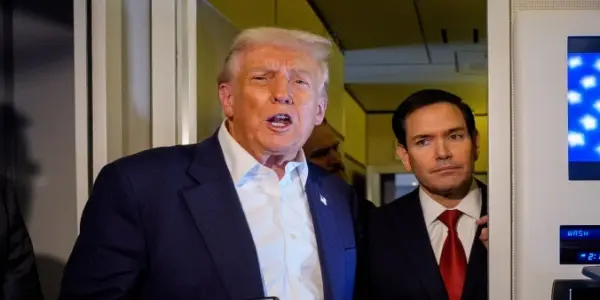
U.S. Embassies Redefine Human Rights:...
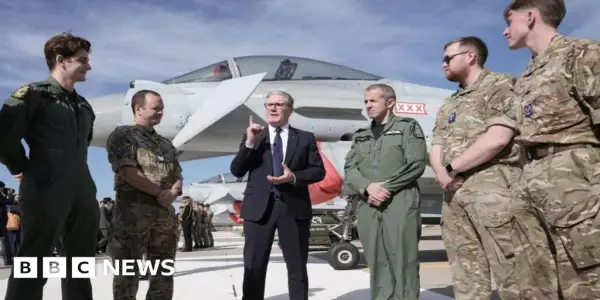
UK Finalizes £8 Billion Typhoon Fighter Jet...

Jetpack Navigation 3 Achieves Stability for...

Exploring Intimacy and Isolation in Claire-Louise...

Peru Sever Diplomatic Relations with Mexico Amid...
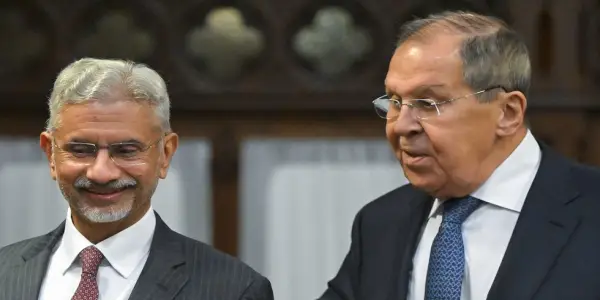
Russian and Indian Foreign Ministers Convene...

Geopolitical Tensions Surround Palau Amid...

Challenges Faced by Costumes in 'Mighty Morphin...

European Automakers Face New Chip Shortage as...

The Legacy of French Colonialism: Language and...
Key Insights from Trump's National Security...
New England Senators Play Crucial Role in...

Apple Achieves Unprecedented Financial Success in...
Democrats Celebrate Recent Wins Amidst Internal...

Japan Protests China's Travel Advisory Amid...
Switzerland Faces Economic Challenges Amid U.S....

AfD Leader Raises Concerns Over Potential Threats...

US-South Korea Agreement to Develop...
Is the U.S. Reassessing Its Stance on Israel...

Reddit Enhances App Performance with R8...
NFL Players Union Faces Grievance Over Annual...
Jared Isaacman Renominated as NASA Administrator...

Iraq's Parliamentary Elections: Key Insights...

Isaac Asimov's Perspective on Star Trek: A Sci-Fi...

Golden Snub-Nosed Monkeys Make European Debut in...

Comet 3I/ATLAS Continues to Mystify Scientists...
The Rise of Technocracy in Modern Governance

Ireland Moves Forward with Bill Targeting Israeli...
Japan Reacts Strongly to China's Travel Advisory...
Nevada's Governor's Office Allegedly Intervened...
US Tariffs Impact Nuevo Leon's Steel Sector,...

China's Shift to a Cautious Research Strategy...

Algeria Grants Pardon to Jailed Novelist Boualem...
Trump Appoints Special Envoy to Greenland,...
Canada's Carney to Meet Xi in China, Signaling a...

Egypt Affirms Commercial Nature of Gas Agreement...

Japan and Finland in Diplomatic Tension Following...
Mamdani Emerges Victorious in NYC Mayoral Race...
Zohran Mamdani's Vision for Global Municipal...