AfD Leader Raises Concerns Over Potential Threats from Poland
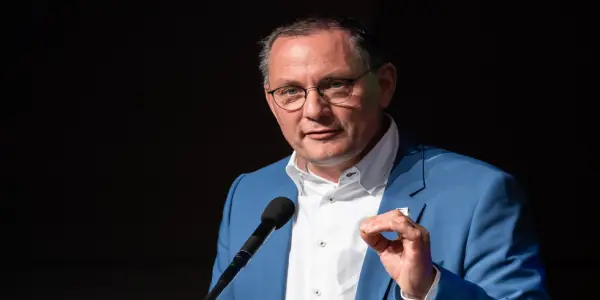
Tino Chrupalla, co-chair of Germany's Alternative for Germany (AfD) party, suggests that Poland could pose a future threat to Germany, equating its risk to that of Russia.
In-depth analysis
Background context
Tino Chrupalla's recent remarks on ZDF's 'Markus Lanz' highlight a shift in the discussion surrounding European security. He downplayed Russia's threat to Germany while suggesting Poland could pose risks, reflecting changing perceptions in the context of ongoing geopolitical tensions since Russia's invasion of Ukraine in 2022.
Key political implications
Chrupalla's comments challenge the prevailing consensus on security in Europe, potentially reshaping political discourse. His views may embolden nationalist sentiments and prompt reevaluation of Germany's foreign policy towards both Russia and Poland.
Who gains / who loses
The AfD could gain political ground among voters dissatisfied with current foreign policies, as Chrupalla's statements resonate with those seeking alternative perspectives. Conversely, traditional parties may face challenges in addressing rising public concerns about security and regional stability.
Possible future scenarios
If Chrupalla's narrative gains traction, it may lead to heightened tensions between Germany and Poland, complicating EU relations. Alternatively, it could prompt a reevaluation of Germany's diplomatic strategies, fostering renewed dialogue with Russia amid ongoing energy challenges.
Did you know?
Why you should know this
Chrupalla's comments signal a shift in the conversation around European security that could impact everyday life in Germany. As public sentiment sways, policies on energy reliance and international relations may change, affecting everything from fuel prices to national defense strategies. Understanding these dynamics is crucial for citizens as they navigate a complex geopolitical landscape that influences their daily safety and economic stability.
Behind the political curtain
Despite being a NATO member, Poland recently rejected Germany's extradition request for a Ukrainian national tied to sabotage. This ruling suggests a growing rift in judicial cooperation among EU countries, highlighting tensions that may affect future alliances and security strategies within Europe.
Ordinary person in an extraordinary situation
Meet Elena, a Berlin-based schoolteacher who relies on public transport for her daily commute. The rising popularity of the AfD concerns her; she fears that shifting narratives about security could lead to policies affecting her students' multicultural environment. Elena worries that if tensions rise with neighboring countries, her students may face increased prejudice or unrest in their communities. The potential for instability makes her anxious, as she believes education is key to fostering understanding and peace. Elena's story illustrates how political rhetoric can ripple through society, affecting the lives of ordinary citizens and their hopes for a harmonious future.

Kenya Urges Protection for Citizens Amid...
Mark Carney Discusses Political Transition During...

New Advocacy Report Urges Action Against Child...

Algeria Grants Pardon to Jailed Novelist Boualem...
Contradictory Signals from Trump and Rubio on...
South Korea Rebuilds Trust and Reassesses Foreign...

The Fate of the Maquis in Star Trek: A Missed...
Jim Avila, Esteemed ABC News Correspondent, Dies...
UK Finalizes £8 Billion Typhoon Fighter Jet...
Canada Decides Against Public Disclosure of Nazi...
Switzerland Faces Economic Challenges Amid U.S....
Egypt Affirms Commercial Nature of Gas Agreement...
US Tariffs Impact Nuevo Leon's Steel Sector,...

Challenges Faced by Costumes in 'Mighty Morphin...
Sias University Adapts to Modern Educational...
Indian Trade Unions Rally Against New Labour...
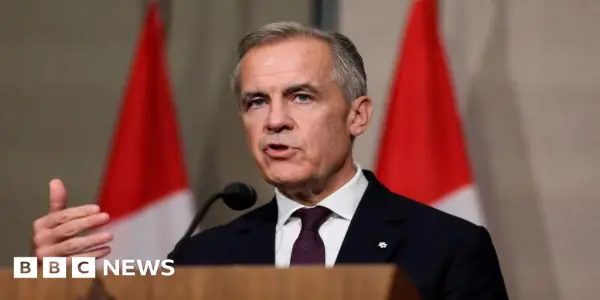
Canada's Carney to Meet Xi in China, Signaling a...
AfD Leader Raises Concerns Over Potential Threats...
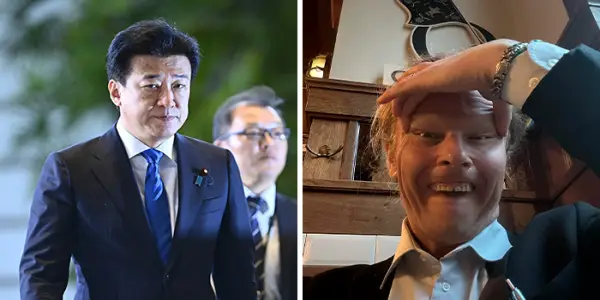
Japan and Finland in Diplomatic Tension Following...
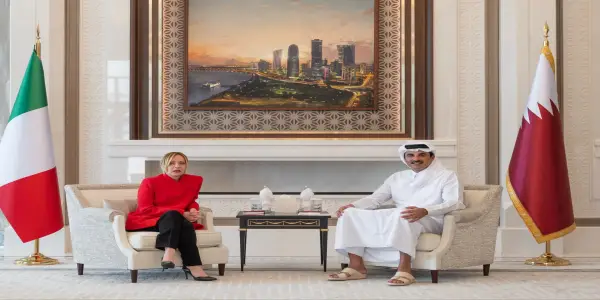
Italy's Meloni Engages with Qatar Emir on Energy...

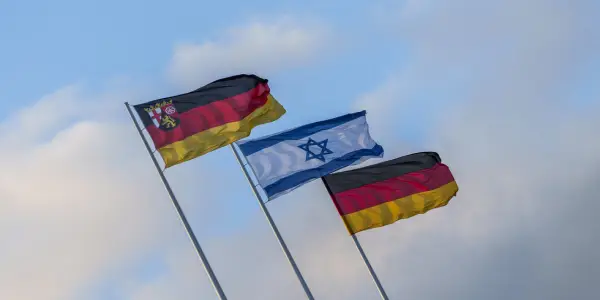
Germany Resumes Arms Exports to Israel Amid...
Jared Isaacman Renominated as NASA Administrator...
U.S. Authorities Detain British Journalist Linked...
Examining Trump's Claims of Resolving Conflicts:...
Japan Reacts Strongly to China's Travel Advisory...
Sanae Takaichi: Japan's First Female Prime...
European Allies Stand Firm with Denmark Amid U.S....
Exiled Russian Orthodox Leader Responds to Spying...

Texas Governor Abbott Designates CAIR as a...

Golden Snub-Nosed Monkeys Make European Debut in...

Geopolitical Tensions Surround Palau Amid...

EA Raises Concerns Over Sale to Saudi Arabia's...
Political Reactions to BBC Leadership Changes...
Hungarian Prime Minister Viktor Orban Engages...
New England Senators Play Crucial Role in...
Italy's PM Meloni Responds Firmly to Trump's...
Bangladesh's Upcoming Election: Key Political...
Revitalizing Relations: The Future of the...
Saudi Crown Prince's Invitation to the White...