Examining Trump's Claims of Resolving Conflicts: A Closer Look
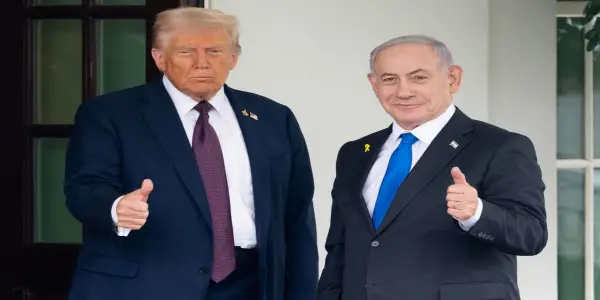
Trump's assertion of resolving nine wars, including the recent Israel-Lebanon ceasefire, raises questions amid ongoing military tensions.
In-depth analysis
Background context
The recent ceasefire between Israel and Lebanon, initiated on April 16, has been touted by former President Donald Trump as a resolution of multiple conflicts. His claims, however, are complicated by ongoing military actions involving the U.S. and Iran, revealing a complex landscape of international relations that challenges simplistic narratives of peace.
Key political implications
Trump's assertions could influence perceptions of his foreign policy legacy, potentially impacting Republican support as the party grapples with differing views on military engagement and diplomatic strategies.
Who gains / who loses
While Trump may gain political capital among supporters who value his peacemaking rhetoric, critics within his party and foreign policy experts may perceive his claims as undermining genuine diplomatic efforts, thereby losing credibility.
Possible future scenarios
Future developments may see intensified scrutiny of Trump's foreign policy claims, with potential shifts in party alignment regarding military interventions, as well as ongoing debates about the effectiveness of his diplomatic strategies.
Did you know?
Why you should know this
Understanding Trump's claims about resolving conflicts is essential as they impact perceptions of U.S. foreign policy and its role in global stability. These narratives shape public discourse, influencing voter opinions and congressional actions. As military tensions rise in the Middle East, citizens should be aware of how political rhetoric can affect real-world consequences, including military engagement and diplomatic relations.
Behind the political curtain
Interestingly, during his presidency, Trump received multiple nominations for the Nobel Peace Prize, mainly from foreign leaders. This has fueled speculation that these nominations were more about political maneuvering than genuine recognition of his diplomatic efforts, highlighting the complexities behind international accolades.
Ordinary person in an extraordinary situation
Meet Sarah, a 34-year-old teacher from New Jersey. She spends her evenings discussing global affairs with her students, fostering critical thinking about international relations. While she admires the concept of peace talks, Sarah feels disheartened by the gap between political promises and reality. With friends in the military and family ties to Lebanon, the unfolding conflicts hit close to home. Sarah worries about the implications of political rhetoric on real lives, questioning how much influence a single leader can truly have on global peace. Her passion drives her to advocate for more transparent discussions about U.S. foreign policy, hoping to inspire her students to think critically about these issues and engage as informed citizens.
Expert Commentary

Japan and Finland in Diplomatic Tension Following...
Zohran Mamdani Secures Victory in New York City...

Lessons from Ulysses S. Grant on Civil-Military...
UK Finalizes £8 Billion Typhoon Fighter Jet...

Reddit Enhances App Performance with R8...

Apple Achieves Unprecedented Financial Success in...
U.S. Extends Sanctions Relief as Syrian Leader...
US Tariffs Impact Nuevo Leon's Steel Sector,...
Iraq's Parliamentary Elections: Key Insights...

Political Reactions to BBC Leadership Changes...

Japan Protests China's Travel Advisory Amid...
China's Shift to a Cautious Research Strategy...
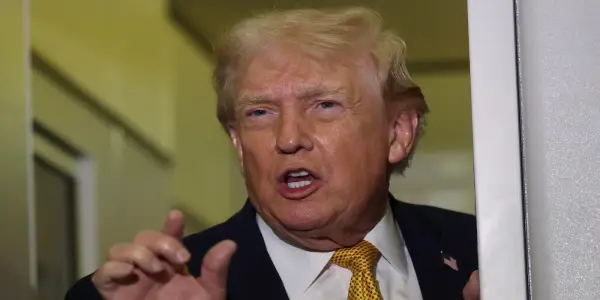
Contradictory Signals from Trump and Rubio on...
Jim Avila, Esteemed ABC News Correspondent, Dies...

WWE Raw Recap: Titles Change Hands in Thrilling...
Kenya Urges Protection for Citizens Amid...
Hungarian Prime Minister Viktor Orban Engages...
Texas Governor Abbott Designates CAIR as a...
The Impact of Trump's Second Year: A Year of...
Japan Reacts Strongly to China's Travel Advisory...
Germany Resumes Arms Exports to Israel Amid...

Ireland Moves Forward with Bill Targeting Israeli...
Algeria Grants Pardon to Jailed Novelist Boualem...
U.S. Embassies Redefine Human Rights:...

Bhutan's Complex Relationship with India: A...

Isaac Asimov's Perspective on Star Trek: A Sci-Fi...

New Yorkers Kick Off Early Voting for Mayoral...

Jetpack Navigation 3 Achieves Stability for...
Democrats Celebrate Recent Wins Amidst Internal...
Mark Carney Discusses Political Transition During...

Trump Appoints Special Envoy to Greenland,...
Saudi Crown Prince Mohammed bin Salman Set for...

The 1969 Sino-Soviet Border Conflict: A Near Miss...


Comet 3I/ATLAS Continues to Mystify Scientists...

Spain's Attorney General Convicted in...
Armenian Deputy Foreign Minister Visits Israel...
Italy's Meloni Engages with Qatar Emir on Energy...

The Fate of the Maquis in Star Trek: A Missed...
Denmark's Prime Minister Advocates for Stricter...