Supreme Court to Decide on Presidential Authority Over Independent Agencies
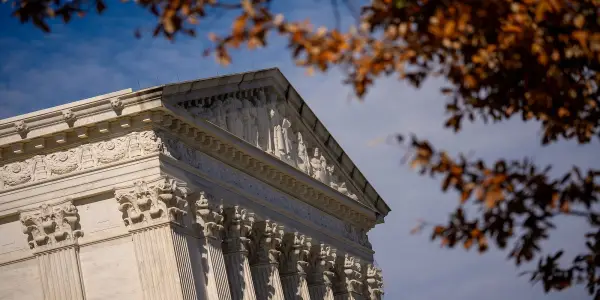
The Supreme Court is set to rule on presidential power over independent agencies, potentially overturning decades of legal protections and reshaping governance.
In-depth analysis
Background context
The Supreme Court is set to rule on a pivotal case concerning the authority of independent government agencies like the FTC. This case challenges the longstanding principle that protects these agencies from direct presidential influence, which was established to ensure impartial regulatory oversight and law enforcement free from political pressures.
Key political implications
A ruling favoring presidential authority could significantly alter the balance of power between the executive branch and independent agencies, raising concerns about potential overreach and diminished agency autonomy.
Who gains / who loses
If the Supreme Court rules to expand presidential power, the executive branch may gain greater control over regulatory agencies, potentially undermining their independence. Conversely, this shift could diminish the effectiveness of agencies tasked with consumer protection and market regulation.
Possible future scenarios
Should the ruling favor the president, it may prompt a reevaluation of agency structures and lead to increased political influence over regulatory bodies. This could create a landscape where agency decisions are more susceptible to executive pressures.
Did you know?
Why you should know this
This Supreme Court case could redefine how independent agencies like the FTC operate, impacting everything from consumer protections to financial regulations. If the ruling favors presidential control, agencies may lose their ability to function without political influence, directly affecting the fairness of markets and the safety of products you interact with daily.
Behind the political curtain
Interestingly, the 1935 Humphrey's Executor v. United States decision was rooted in the belief that independent agencies safeguard democracy by preventing the president from exerting unchecked influence. This legal precedent has been pivotal for nearly nine decades, but its viability is now under scrutiny.
Ordinary person in an extraordinary situation
Consider Maria, a single mother from Ohio who relies on the FTC to oversee fair pricing in her local grocery store. With prices rising, she feels vulnerable to corporate greed. If the Supreme Court rules in favor of presidential control over the FTC, Maria worries that her voice—along with the protections she relies on—could diminish. The notion that a president could handpick agency leaders, prioritizing loyalty over expertise, raises alarm for her and millions like her who depend on these protections for their livelihoods. Maria's story underscores the stakes of this ruling, illustrating how abstract legal battles can translate into real consequences for everyday Americans.
Limited Expectations as Trump and Xi Approach...
Saudi Crown Prince's Invitation to the White...
New Yorkers Kick Off Early Voting for Mayoral...
Cuba Rejects U.S. Security Threat Claims Amid...
US Tariffs Impact Nuevo Leon's Steel Sector,...
Czech President Appoints Billionaire Former Prime...

AfD Leader Raises Concerns Over Potential Threats...

EA Raises Concerns Over Sale to Saudi Arabia's...

Egypt Affirms Commercial Nature of Gas Agreement...
The Impact of Trump's Second Year: A Year of...
Examining Trump's Claims of Resolving Conflicts:...

New Advocacy Report Urges Action Against Child...
Trump Addresses Nuclear Testing, Government...

Exiled Russian Orthodox Leader Responds to Spying...

Germany Resumes Arms Exports to Israel Amid...
Key Insights from Trump's National Security...

Nevada's Governor's Office Allegedly Intervened...

Lessons from Ulysses S. Grant on Civil-Military...
U.S. Extends Sanctions Relief as Syrian Leader...
South Korea Rebuilds Trust and Reassesses Foreign...

Misjudgments in Military Strategy: The Lessons...

Geopolitical Tensions Surround Palau Amid...
Six Finalists Announced for the 2026...

NFL Players Union Faces Grievance Over Annual...

Jetpack Navigation 3 Achieves Stability for...
Javier Milei's Victory Signals a Shift in...
Democrats Celebrate Recent Wins Amidst Internal...

Bangladesh's International Crimes Tribunal...
Syria's Foreign Minister Visits China to...
Canada and China Take Steps Toward Repairing...

China's Shift to a Cautious Research Strategy...

Algeria Grants Pardon to Jailed Novelist Boualem...

WWE Raw Recap: Titles Change Hands in Thrilling...

Indian Trade Unions Rally Against New Labour...
Is the U.S. Reassessing Its Stance on Israel...

Comet 3I/ATLAS Continues to Mystify Scientists...

The Legacy of French Colonialism: Language and...

Cuban Authorities Engage in Deadly Clash with...
The Rise of Technocracy in Modern Governance
Russian and Indian Foreign Ministers Convene...