Ten Years of FOIP: Enhancing Ties Between the Indo-Pacific and the Middle East
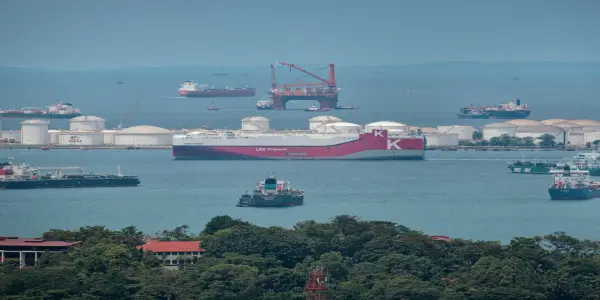
Japan strengthens security, supply chains, and sustainable development initiatives amid evolving global dynamics.
In-depth analysis
Background context
Japan's commitment to the Free and Open Indo-Pacific (FOIP) framework, initiated by former Prime Minister Shinzo Abe, underscores its strategic importance. This initiative aims to enhance connectivity and cooperation among nations in the Indo-Pacific, addressing rising geopolitical tensions and economic uncertainties while promoting stability and collaboration in a pivotal region for global development.
Key political implications
Japan's reaffirmation of FOIP reflects a strategic pivot in its foreign policy, positioning the nation as a key player in regional security dynamics and enhancing its role in international diplomacy.
Who gains / who loses
Countries in the Indo-Pacific and the Global South may benefit from Japan's enhanced partnerships and commitment to maritime security. However, nations opposing FOIP may perceive Japan's actions as a challenge to their influence, potentially escalating geopolitical tensions.
Possible future scenarios
Japan's ongoing engagement in the Indo-Pacific could lead to stronger multilateral alliances, fostering regional stability. Conversely, failure to navigate tensions may result in increased friction with rival powers, complicating diplomatic relations.
Did you know?
Why you should know this
Japan's reaffirmation of the Free and Open Indo-Pacific (FOIP) framework is crucial as it impacts global trade and security. With the Indo-Pacific being a major artery for international commerce, Japan's commitment ensures safer maritime routes, which directly affects economies worldwide. As tensions rise, understanding this initiative offers insights into how nations collaborate to maintain stability and protect everyday shipping routes that impact global supply chains.
Behind the political curtain
Japan's involvement in the FOIP framework is not just a recent development; it is rooted in a vision from over a decade ago. Former Prime Minister Shinzo Abe first introduced this concept as a counterbalance to growing regional tensions, highlighting Japan's long-standing commitment to a rules-based international order.
Ordinary person in an extraordinary situation
Take Akira Tanaka, a small business owner in Tokyo who relies on imports for his handmade crafts. The intricacies of maritime security might seem distant, but for Akira, they are vital. Every delay in shipping due to geopolitical strife can mean lost sales and disrupted livelihoods. Akira appreciates Japan's proactive stance in ensuring safe shipping lanes; it reassures him that his products will reach customers without unnecessary hurdles. His experience highlights a broader truth: international policies, often viewed as abstract, have tangible effects on people's lives. As Japan bolsters its defense and diplomatic efforts, individuals like Akira can feel a renewed sense of stability in their businesses, illustrating the direct link between global initiatives and local economies.
Expert Commentary
Limited Expectations as Trump and Xi Approach...
Saudi Crown Prince's Invitation to the White...

New Yorkers Kick Off Early Voting for Mayoral...
Cuba Rejects U.S. Security Threat Claims Amid...
US Tariffs Impact Nuevo Leon's Steel Sector,...
Czech President Appoints Billionaire Former Prime...

AfD Leader Raises Concerns Over Potential Threats...
The Role of Palestinian Statehood in Advancing...

Political Reactions to BBC Leadership Changes...
The Impact of Trump's Second Year: A Year of...
Examining Trump's Claims of Resolving Conflicts:...

New Advocacy Report Urges Action Against Child...
Trump Addresses Nuclear Testing, Government...

Exiled Russian Orthodox Leader Responds to Spying...
Germany Resumes Arms Exports to Israel Amid...
Key Insights from Trump's National Security...

Nevada's Governor's Office Allegedly Intervened...

Lessons from Ulysses S. Grant on Civil-Military...
U.S. Extends Sanctions Relief as Syrian Leader...
South Korea Rebuilds Trust and Reassesses Foreign...

Japan and Finland in Diplomatic Tension Following...
Geopolitical Tensions Surround Palau Amid...
Six Finalists Announced for the 2026...

NFL Players Union Faces Grievance Over Annual...

Jetpack Navigation 3 Achieves Stability for...
Javier Milei's Victory Signals a Shift in...
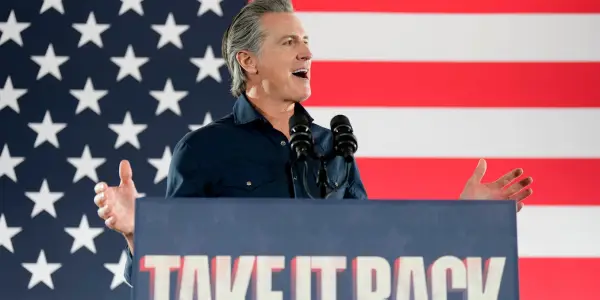
Democrats Celebrate Recent Wins Amidst Internal...
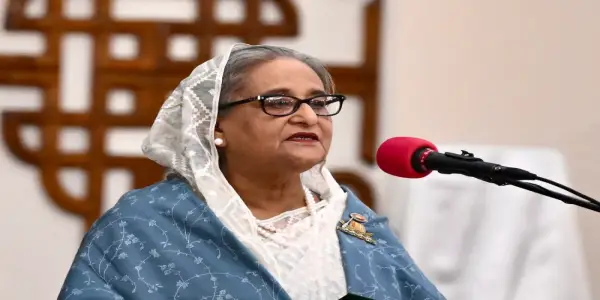
Bangladesh's International Crimes Tribunal...
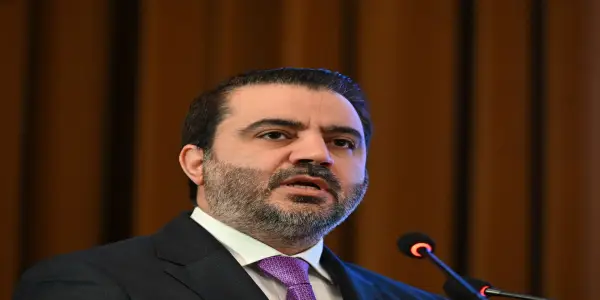
Syria's Foreign Minister Visits China to...
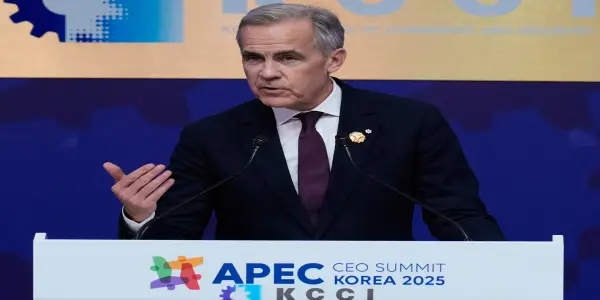
Canada and China Take Steps Toward Repairing...

China's Shift to a Cautious Research Strategy...

Algeria Grants Pardon to Jailed Novelist Boualem...

WWE Raw Recap: Titles Change Hands in Thrilling...
South Korea Initiates First Military Talks with...
Is the U.S. Reassessing Its Stance on Israel...

Comet 3I/ATLAS Continues to Mystify Scientists...
European Allies Stand Firm with Denmark Amid U.S....

Cuban Authorities Engage in Deadly Clash with...

The Rise of Technocracy in Modern Governance
Russian and Indian Foreign Ministers Convene...