Burkina Faso Cuts Diplomatic Ties with France Amid Rising Tensions
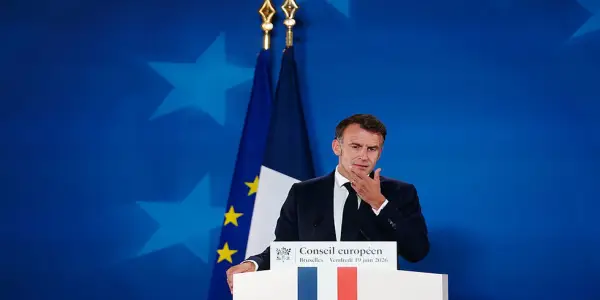
Burkina Faso has severed diplomatic relations with France, citing interference and deepening its departure from former colonial ties.
In-depth analysis
Background context
Burkina Faso's decision to cut ties with France is part of a larger trend in West Africa, where former colonies seek to reclaim their sovereignty. This shift follows accusations against France for meddling in domestic affairs and supporting destabilizing forces within the country, reflecting growing anti-colonial sentiments across the region.
Key political implications
The severance of ties with France signals a significant shift in Burkina Faso's foreign policy, potentially encouraging other nations in the region to reconsider their relationships with former colonial powers and assert greater independence.
Who gains / who loses
Burkina Faso may gain a sense of autonomy and national pride by distancing itself from France, appealing to domestic sentiments. Conversely, France risks losing influence and strategic partnerships in West Africa, potentially undermining its security interests in the region.
Possible future scenarios
The ongoing estrangement from France could lead to increased radicalization and instability in Burkina Faso, as extremist groups may exploit the security vacuum. Alternatively, this move might foster deeper alliances with other non-Western nations seeking to fill the geopolitical void.
Did you know?
Why you should know this
Burkina Faso's decision to cut ties with France is not just a diplomatic shift; it symbolizes a growing movement among African nations reclaiming their sovereignty. This change could directly impact security in the region, affecting everything from local economies to international trade. As countries like Burkina Faso redefine their foreign relationships, the ripple effects will be felt globally, illustrating the ongoing struggle against colonial legacies.
Behind the political curtain
In 2022, after Burkina Faso underwent a military coup, public sentiment shifted dramatically against France, which had maintained military ties for years. The military government capitalized on this wave of nationalism, portraying France as a destabilizing force rather than a partner, marking a significant departure from decades of post-colonial alliances.
Ordinary person in an extraordinary situation
Amadou, a small-scale farmer in Burkina Faso, has felt the impact of this diplomatic shift firsthand. With French troops once stationed nearby, he found some security in their presence. Now, as tensions rise, he worries about the potential for increased violence from extremist groups. Amadou recalls how his community once relied on French aid for agricultural support, which is now in jeopardy. His hope for stability clashes with his fear of losing the little progress he’s made in his farming business. The complex web of international relations suddenly feels very personal, as he navigates the uncertainty of a changing political landscape.
Expert Commentary
Denmark's Prime Minister Advocates for Stricter...

Revitalizing Relations: The Future of the...

Jetpack Navigation 3 Achieves Stability for...

Golden Snub-Nosed Monkeys Make European Debut in...
Italy's Meloni Engages with Qatar Emir on Energy...
Mamdani's Victory: A Turning Point for the...
Jim Avila, Esteemed ABC News Correspondent, Dies...
Trump Appoints Special Envoy to Greenland,...
Switzerland Faces Economic Challenges Amid U.S....

Lessons from Ulysses S. Grant on Civil-Military...

Baden Bower Reduces Pitch-to-Publish Timeline by...
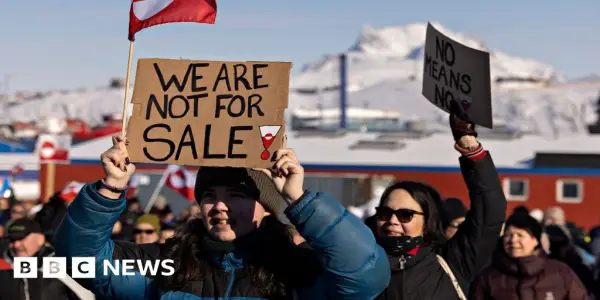
European Allies Stand Firm with Denmark Amid U.S....

Challenges Faced by Costumes in 'Mighty Morphin...

Isaac Asimov's Perspective on Star Trek: A Sci-Fi...

AfD Leader Raises Concerns Over Potential Threats...
German Chancellor Merz to Visit Israel for Key...

Comet 3I/ATLAS Continues to Mystify Scientists...

Reddit Enhances App Performance with R8...
U.S. Extends Sanctions Relief as Syrian Leader...
Six Finalists Announced for the 2026...
Texas Governor Abbott Designates CAIR as a...
Bhutan's Complex Relationship with India: A...
Zohran Mamdani's Vision for Global Municipal...
South Africa's G20 Presidency: A Mixed Legacy of...
U.S. Embassies Redefine Human Rights:...

Political Reactions to BBC Leadership Changes...
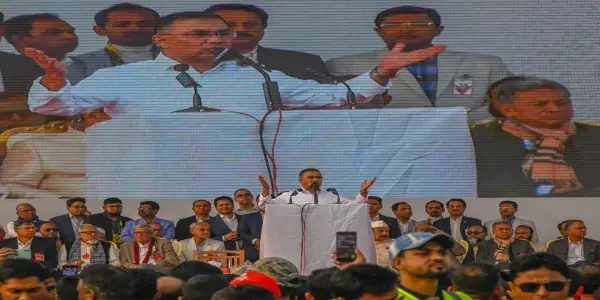
Tarique Rahman's Homecoming: A Potential Turning...
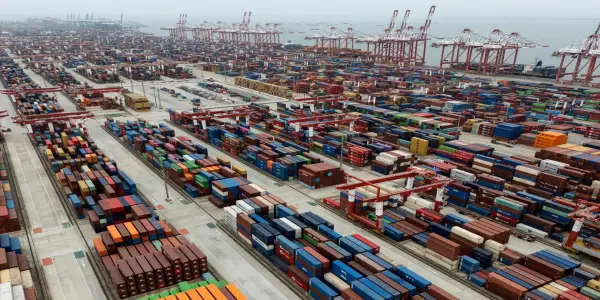
Limited Expectations as Trump and Xi Approach...
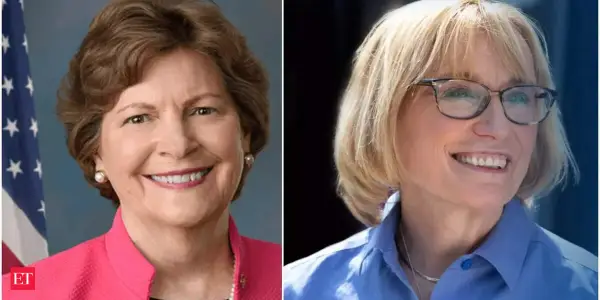
New England Senators Play Crucial Role in...
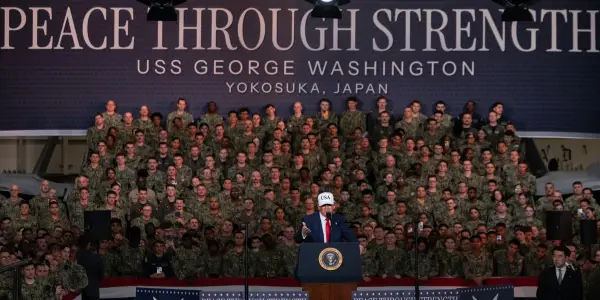
Key Insights from Trump's National Security...

NFL Players Union Faces Grievance Over Annual...
Khamenei Assassination: A Pivotal Shift in...
Bangladesh's Upcoming Election: Key Political...
Sias University Adapts to Modern Educational...
Bangladesh's International Crimes Tribunal...

The Evolving Landscape of Copyright Enforcement...
Zohran Mamdani Secures Victory in New York City...
Hungarian Prime Minister Viktor Orban Engages...

Exploring Intimacy and Isolation in Claire-Louise...