Key Insights from Trump's National Security Strategy
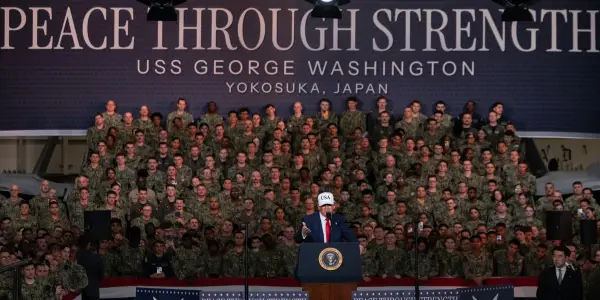
The U.S. unveils a new National Security Strategy focusing on American leadership in the Western Hemisphere, emphasizing non-intervention and economic growth...
In-depth analysis
Background context
The United States has unveiled a new National Security Strategy (NSS), emphasizing a commitment to reigniting American leadership in the Western Hemisphere. This strategy marks a departure from previous policies, prioritizing a non-interventionist approach while reinforcing the Monroe Doctrine to combat drug trafficking and support economic growth in Latin America.
Key political implications
The NSS indicates a shift in U.S. foreign policy, potentially reducing military commitments in Europe while reallocating resources to the Western Hemisphere, which may alter global power dynamics.
Who gains / who loses
Conservative political movements in Latin America may benefit from increased U.S. support and funding, while European nations could face challenges due to reduced U.S. security guarantees, potentially destabilizing regional security.
Possible future scenarios
Should the NSS be fully implemented, the U.S. may see strengthened influence in Latin America, but this could lead to increased tensions with European allies and non-Hemispheric competitors, particularly China.
Did you know?
Why you should know this
The new National Security Strategy (NSS) is more than just a political document; it signals a shift in how the U.S. plans to engage with its neighbors. This affects everything from local economies to immigration policies, potentially influencing job markets and safety in communities across the Western Hemisphere. Understanding this strategy can help citizens grasp the implications for international relations and their own lives.
Behind the political curtain
In a surprising twist, the NSS proposes reducing U.S. military commitments in Europe, a significant deviation from decades of American foreign policy that emphasized a strong military presence as a deterrent against adversarial powers. This could reshape alliances and security dynamics across the Atlantic.
Ordinary person in an extraordinary situation
Maria Gonzalez, a community organizer in Miami, has watched her neighborhood transform due to changing U.S. foreign policies. With a focus on addressing drug trafficking and migration, she feels caught between the promise of economic growth and the fear of increased deportations. Maria sees her work as essential, helping immigrants navigate a complex system while advocating for their rights. The new NSS may reshape her community's landscape, but for Maria, it’s about ensuring her neighbors feel safe and supported, regardless of the political winds. Her story reflects the real-life stakes behind foreign policy decisions, reminding us that behind every strategy, there are people whose lives are deeply impacted.
Hungarian Prime Minister Viktor Orban Engages...

Spain's Attorney General Convicted in...

The Evolving Landscape of Copyright Enforcement...
Trump Addresses Nuclear Testing, Government...
Mamdani Emerges Victorious in NYC Mayoral Race...

Isaac Asimov's Perspective on Star Trek: A Sci-Fi...

Bangladesh's Upcoming Election: Key Political...

The Fate of the Maquis in Star Trek: A Missed...

New Advocacy Report Urges Action Against Child...

NFL Players Union Faces Grievance Over Annual...
Canada's Carney to Meet Xi in China, Signaling a...

Baden Bower Reduces Pitch-to-Publish Timeline by...
Khamenei Assassination: A Pivotal Shift in...
Japan and Finland in Diplomatic Tension Following...

Reddit Enhances App Performance with R8...
Kenya Urges Protection for Citizens Amid...
Javier Milei's Victory Signals a Shift in...
Is the U.S. Reassessing Its Stance on Israel...
New England Senators Play Crucial Role in...
Cuba Rejects U.S. Security Threat Claims Amid...
Denmark's Prime Minister Advocates for Stricter...
Democrats Celebrate Recent Wins Amidst Internal...

Apple Achieves Unprecedented Financial Success in...

The 1969 Sino-Soviet Border Conflict: A Near Miss...
Limited Expectations as Trump and Xi Approach...

Political Reactions to BBC Leadership Changes...
Sias University Adapts to Modern Educational...

Exploring Intimacy and Isolation in Claire-Louise...
South Korea Initiates First Military Talks with...
Switzerland Faces Economic Challenges Amid U.S....
Texas Governor Abbott Designates CAIR as a...
Colombia's ELN Rebels Intensify Military Drills...
Iraq's Parliamentary Elections: Key Insights...

WWE Raw Recap: Titles Change Hands in Thrilling...
Japan Reacts Strongly to China's Travel Advisory...

NASA Unveils Stunning Images of Interstellar...
AfD Leader Raises Concerns Over Potential Threats...
Saudi Crown Prince Mohammed bin Salman Set for...
Saudi Crown Prince's Invitation to the White...
U.S. Authorities Detain British Journalist Linked...