US-Israel Relations Face Unprecedented Strain Amid Political Turmoil
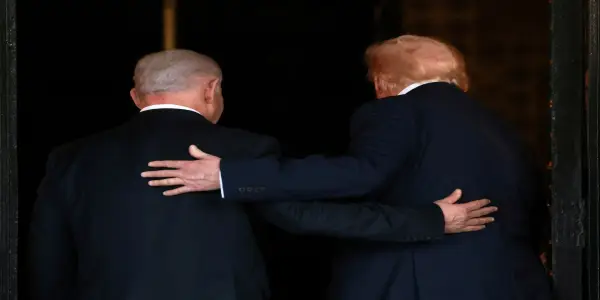
Amid escalating tensions and political challenges, the US-Israel alliance faces scrutiny as both nations navigate complex geopolitical landscapes.
In-depth analysis
Background context
The US-Israel alliance, historically robust due to military and diplomatic ties, is facing unprecedented tension. Israeli Prime Minister Benjamin Netanyahu's political future is uncertain amid corruption allegations and an upcoming election, complicating the relationship as the US navigates a complex geopolitical landscape involving Iran and regional security issues.
Key political implications
The evolving relationship between the US and Israel may reshape political alliances in both countries, as bipartisan skepticism about Israel's policies grows, potentially leading to shifts in foreign policy priorities.
Who gains / who loses
If Netanyahu's administration falters, opposition leaders like Yair Lapid may gain prominence, potentially altering Israel's foreign policy approach. Conversely, Netanyahu's continued leadership could further strain US-Israel relations, risking Israel's international support.
Possible future scenarios
The upcoming Israeli elections could either reinforce Netanyahu's position or usher in a new leadership that redefines Israel's diplomatic stance. A significant diplomatic breakthrough may also influence US support, impacting regional stability.
Did you know?
Why you should know this
The evolving US-Israel relationship directly affects global stability and security, impacting everything from military aid to diplomatic negotiations. As tensions rise, American citizens must consider how shifts in foreign policy could influence their lives, especially in areas like defense spending and international relations. Understanding these complexities can help citizens engage meaningfully in discussions about foreign aid and national security.
Behind the political curtain
Despite the strong historical alliance, a significant number of Republicans now openly critique US support for Israel. This is a departure from traditional party lines, reflecting a broader shift in political sentiments that could reshape future foreign policy strategies.
Ordinary person in an extraordinary situation
Meet Miriam Cohen, a 32-year-old Israeli teacher living in Tel Aviv. With rising tensions and airstrikes nearby, she feels the weight of uncertainty more than ever. Her students often voice fears about their future, and she struggles to balance their anxiety with lessons about resilience and hope. Miriam's family has long supported military operations for security, but as she watches international opinions shift, she wonders if her perspective should change too. This internal conflict mirrors a broader societal debate in Israel, where many grapple with the implications of Netanyahu's policies and the potential consequences of his political survival on their everyday lives.
Expert Commentary
The evolving dynamics of US-Israel relations highlight a critical intersection of domestic politics and international strategy. As Netanyahu faces corruption allegations and an increasingly skeptical electorate, the once-unquestioned American support is being scrutinized. This shift reflects broader changes in public sentiment, particularly within the Republican Party, where figures are beginning to challenge the traditional narrative of unwavering support. The implications are profound: a weakened alliance could alter Israel's strategic calculations and influence regional stability, especially in negotiations with Iran. The upcoming Israeli elections may serve as a turning point, potentially reshaping not just Netanyahu's future, but the very nature of US-Israel ties.
New Yorkers Kick Off Early Voting for Mayoral...

EA Raises Concerns Over Sale to Saudi Arabia's...
Bangladesh's International Crimes Tribunal...
US Tariffs Impact Nuevo Leon's Steel Sector,...
Iraq's Parliamentary Elections: Key Insights...

NASA Unveils Stunning Images of Interstellar...

Trump Appoints Special Envoy to Greenland,...
Switzerland Faces Economic Challenges Amid U.S....


European Automakers Face New Chip Shortage as...
South Korea Rebuilds Trust and Reassesses Foreign...
South Africa's G20 Presidency: A Mixed Legacy of...
Bangladesh Seeks India's Assistance in...
The Legacy of French Colonialism: Language and...
Mamdani's Victory: A Turning Point for the...
U.S. Embassies Redefine Human Rights:...

Misjudgments in Military Strategy: The Lessons...

Cuban Authorities Engage in Deadly Clash with...
German Chancellor Merz to Visit Israel for Key...
Italy's PM Meloni Responds Firmly to Trump's...

Bhutan's Complex Relationship with India: A...
U.S. Authorities Detain British Journalist Linked...
Texas Governor Abbott Designates CAIR as a...

Spain's Attorney General Convicted in...
Key Insights from Trump's National Security...

Geopolitical Tensions Surround Palau Amid...

Nevada's Governor's Office Allegedly Intervened...

Exiled Russian Orthodox Leader Responds to Spying...
Bangladesh's Upcoming Election: Key Political...
Russian and Indian Foreign Ministers Convene...
Egypt Affirms Commercial Nature of Gas Agreement...
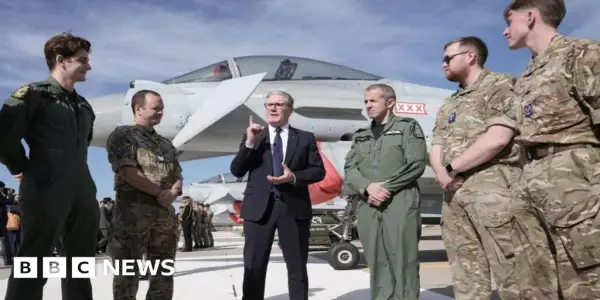
UK Finalizes £8 Billion Typhoon Fighter Jet...
Inquiry Critiques Scottish Government's Covid-19...

Reddit Enhances App Performance with R8...

The 1969 Sino-Soviet Border Conflict: A Near Miss...

Canada Decides Against Public Disclosure of Nazi...

Comet 3I/ATLAS Continues to Mystify Scientists...

Exploring Intimacy and Isolation in Claire-Louise...

Mamdani Emerges Victorious in NYC Mayoral Race...

WWE Raw Recap: Titles Change Hands in Thrilling...