Netanyahu Faces Pivotal Election Amid Legal and Political Pressures
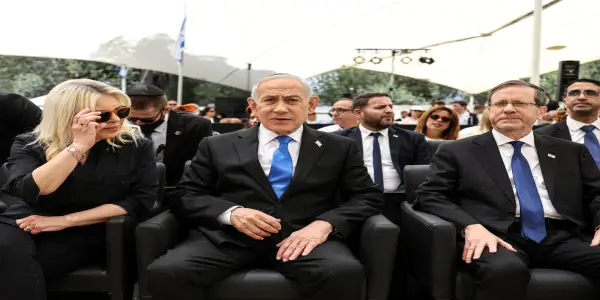
Israel's Prime Minister Benjamin Netanyahu confronts significant challenges ahead of critical elections that could reshape his political future.
In-depth analysis
Background context
As Israel's general elections draw near, Prime Minister Netanyahu faces significant challenges that threaten his political legacy. His leadership is scrutinized amid ongoing conflicts, particularly with Hezbollah, and serious corruption allegations. The escalating violence following Hamas-led attacks on October 7 further complicates the political landscape, raising questions about Netanyahu's military strategy and public support.
Key political implications
Netanyahu's current predicament could lead to a significant shift in Israeli politics. His ability to navigate these pressures will impact not only his political future but also the broader relationship between Israel and its international allies, particularly the United States.
Who gains / who loses
If Netanyahu fails to secure re-election, challengers like Gadi Eisenkot could gain prominence, potentially leading to a more moderate approach in Israel's military engagements. Conversely, Netanyahu's continued leadership may reinforce hardline policies, affecting Israel's international standing and domestic stability.
Possible future scenarios
Should Netanyahu retain power, he may double down on military actions despite international backlash. Alternatively, a shift in leadership could foster new diplomatic strategies, potentially easing tensions with regional adversaries and altering the dynamics of U.S.-Israeli relations.
Did you know?
Why you should know this
The outcome of Israel's upcoming elections could have profound implications not just for the region but for global politics. With Netanyahu’s potential return to power amidst ongoing military conflicts and corruption trials, the stability of Israel—and its relationship with the U.S.—hangs in the balance. Everyday life in Israel is intertwined with these decisions, affecting everything from security measures to economic policies, and shaping the lives of citizens like Danit, a small business owner in Tel Aviv, who worries about the future of her community.
Behind the political curtain
Despite his long-standing political career, Netanyahu's government has faced unprecedented criticism from former allies. In a surprising twist, multiple high-ranking officials have publicly questioned his military strategies, which is rare in Israeli politics, where loyalty often trumps dissent.
Ordinary person in an extraordinary situation
Meet Avi, a 38-year-old father of two living in Haifa. As the threat of renewed conflict looms, he grapples with the anxiety of raising his children in a volatile environment. With each siren signaling a potential attack, Avi finds himself torn between supporting military action for security and advocating for peace to ensure his children’s future. He often reflects on the complexity of living in a nation where the stakes are so high—balancing the instinct to protect his family with the hope for a peaceful resolution. Avi’s story is a reminder that behind the political narratives are real lives affected by decisions made far from the front lines.
Expert Commentary
As Israel heads into a pivotal election cycle, Prime Minister Netanyahu faces unprecedented challenges that could redefine his political legacy. The convergence of escalating conflicts, particularly with Hezbollah, and his ongoing legal troubles has placed his leadership under intense scrutiny. Public sentiment appears to be shifting, with growing discontent over military strategies and the prolonged occupation of Lebanese territory. This evolving landscape not only threatens Netanyahu's grip on power but also raises critical questions about Israel's future direction. The delicate balance of U.S.-Israeli relations further complicates matters, as any misstep could jeopardize vital support, signaling a potential reassessment of Israel's security policies and regional posture.
Democrats Celebrate Recent Wins Amidst Internal...
US Tariffs Impact Nuevo Leon's Steel Sector,...
Jared Isaacman Renominated as NASA Administrator...
The Impact of Trump's Second Year: A Year of...
Italy's Meloni Engages with Qatar Emir on Energy...
Zohran Mamdani Secures Victory in New York City...
Japan Reacts Strongly to China's Travel Advisory...
U.S. Authorities Detain British Journalist Linked...

Spain's Attorney General Convicted in...
Saudi Crown Prince's Invitation to the White...

NFL Players Union Faces Grievance Over Annual...

European Automakers Face New Chip Shortage as...

AfD Leader Raises Concerns Over Potential Threats...
The Rise of Technocracy in Modern Governance

Japan and Finland in Diplomatic Tension Following...
Canada Decides Against Public Disclosure of Nazi...
Javier Milei's Victory Signals a Shift in...

Geopolitical Tensions Surround Palau Amid...
Italy's PM Meloni Responds Firmly to Trump's...

Golden Snub-Nosed Monkeys Make European Debut in...

Apple Achieves Unprecedented Financial Success in...
Iraq's Parliamentary Elections: Key Insights...
Lessons from Ulysses S. Grant on Civil-Military...
Examining Trump's Claims of Resolving Conflicts:...

Misjudgments in Military Strategy: The Lessons...
Mamdani's Victory: A Turning Point for the...

Isaac Asimov's Perspective on Star Trek: A Sci-Fi...

Texas Governor Abbott Designates CAIR as a...
Inquiry Critiques Scottish Government's Covid-19...

China's Shift to a Cautious Research Strategy...
U.S. Extends Sanctions Relief as Syrian Leader...
German Chancellor Merz to Visit Israel for Key...
Zohran Mamdani's Vision for Global Municipal...

Algeria Grants Pardon to Jailed Novelist Boualem...
Khamenei Assassination: A Pivotal Shift in...

NASA Unveils Stunning Images of Interstellar...
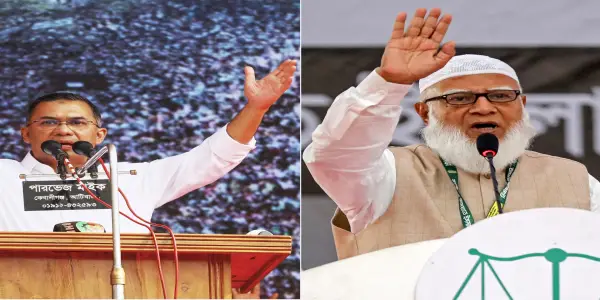
Bangladesh's Upcoming Election: Key Political...

Nevada's Governor's Office Allegedly Intervened...

Comet 3I/ATLAS Continues to Mystify Scientists...