Algeria Grants Pardon to Jailed Novelist Boualem Sansal Amid Diplomatic Tensions with France

Algeria pardons jailed novelist Boualem Sansal, easing diplomatic tensions with France. His release follows German intervention amid concerns for his health.
In-depth analysis
Background context
The recent pardon of Boualem Sansal by Algerian authorities marks a significant moment in the complex relationship between Algeria and France. Sansal, a notable French-Algerian novelist, was arrested nearly a year ago, intensifying diplomatic tensions rooted in historical grievances dating back to Algeria's independence in 1962.
Key political implications
This development may indicate a potential thaw in Franco-Algerian relations, as it reflects Algeria's willingness to engage in dialogue facilitated by third-party mediation, particularly from Germany.
Who gains / who loses
Boualem Sansal emerges as a clear beneficiary of the pardon, receiving international attention and support for his humanitarian case. Conversely, the Algerian government faces scrutiny regarding its handling of dissent, while France must navigate the complexities of its diplomatic strategy in the region.
Possible future scenarios
The resolution of Sansal's case could lead to renewed diplomatic efforts between Algeria and France, fostering discussions on migration and historical issues. However, lingering distrust may hinder progress in fully restoring their bilateral relationship.
Did you know?
Why you should know this
Boualem Sansal's release underscores how cultural figures can influence international relations. For those following diplomatic tensions, this case highlights the interconnectedness of politics and personal narratives. The resolution could affect everything from migration policies to cultural exchanges, making it relevant to anyone interested in how global dynamics shape everyday life.
Behind the political curtain
In a surprising twist, it was not just the Algerian government that played a role in Sansal's release; German President Frank-Walter Steinmeier's personal rapport with Algerian officials was crucial. This intervention illustrates how third-party nations can sometimes bridge divides that seem insurmountable, turning individual fates into significant diplomatic turning points.
Ordinary person in an extraordinary situation
Meet Amina, a 28-year-old Algerian novelist who admired Boualem Sansal for his courage in addressing political issues. When Sansal was arrested, Amina felt a deep sense of loss—not just for his voice but for the freedoms she believed were at stake in Algeria. For her, the pardon is a glimmer of hope. It suggests that dissenting voices can still find a way to be heard amid a complex political landscape. Amina dreams of writing her own stories, inspired by Sansal's resilience, and sees his release as a potential turning point for artists in Algeria. It reminds her that the fight for freedom of expression is ongoing, and every small victory counts.
Syria's Foreign Minister Visits China to...
Russian and Indian Foreign Ministers Convene...

WWE Raw Recap: Titles Change Hands in Thrilling...
Six Finalists Announced for the 2026...
Switzerland Faces Economic Challenges Amid U.S....

The Evolving Landscape of Copyright Enforcement...

NFL Players Union Faces Grievance Over Annual...

Political Reactions to BBC Leadership Changes...
Examining Trump's Claims of Resolving Conflicts:...

Exploring Intimacy and Isolation in Claire-Louise...

Geopolitical Tensions Surround Palau Amid...

U.S. Lawmakers Express Concerns Over Trump...

Mamdani Emerges Victorious in NYC Mayoral Race...

The Fate of the Maquis in Star Trek: A Missed...

Zohran Mamdani's Vision for Global Municipal...
U.S. Extends Sanctions Relief as Syrian Leader...
New Yorkers Kick Off Early Voting for Mayoral...

Inquiry Critiques Scottish Government's Covid-19...

Isaac Asimov's Perspective on Star Trek: A Sci-Fi...
Italy's Meloni Engages with Qatar Emir on Energy...
Khamenei Assassination: A Pivotal Shift in...
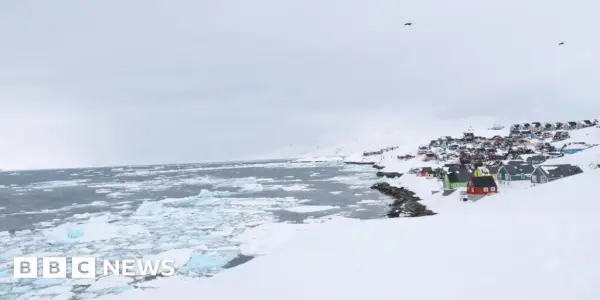
Trump Appoints Special Envoy to Greenland,...
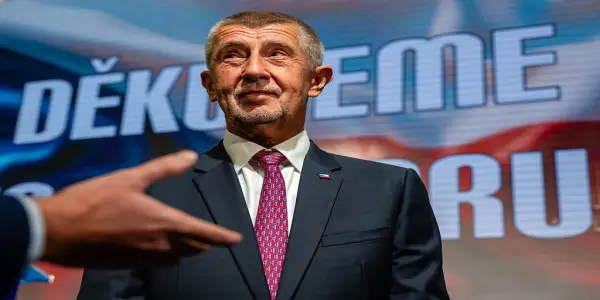
Czech President Appoints Billionaire Former Prime...

New Advocacy Report Urges Action Against Child...

Denmark's Prime Minister Advocates for Stricter...

Japan Protests China's Travel Advisory Amid...

Japan and Finland in Diplomatic Tension Following...
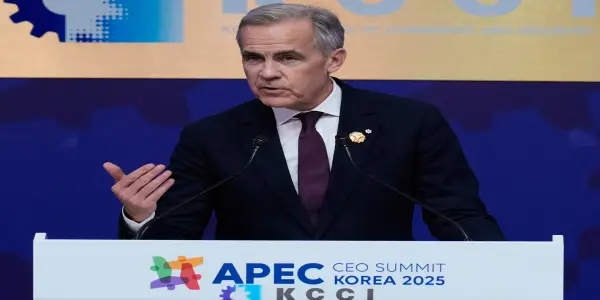
Canada and China Take Steps Toward Repairing...
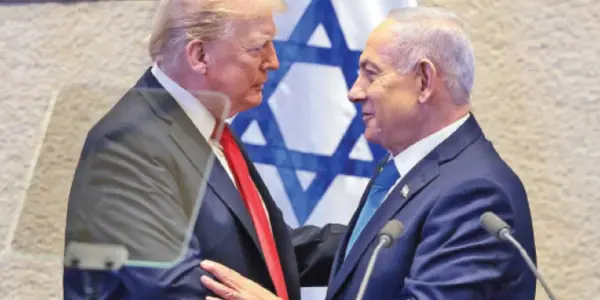
Is the U.S. Reassessing Its Stance on Israel...

Baden Bower Reduces Pitch-to-Publish Timeline by...
Sias University Adapts to Modern Educational...
The Legacy of French Colonialism: Language and...
AfD Leader Raises Concerns Over Potential Threats...
Jared Isaacman Renominated as NASA Administrator...

Jetpack Navigation 3 Achieves Stability for...

US-South Korea Agreement to Develop...

Revitalizing Relations: The Future of the...
The Role of Palestinian Statehood in Advancing...
Saudi Crown Prince's Invitation to the White...
Bangladesh's International Crimes Tribunal...