Japan Protests China's Travel Advisory Amid Ongoing Tensions Over Taiwan Remarks
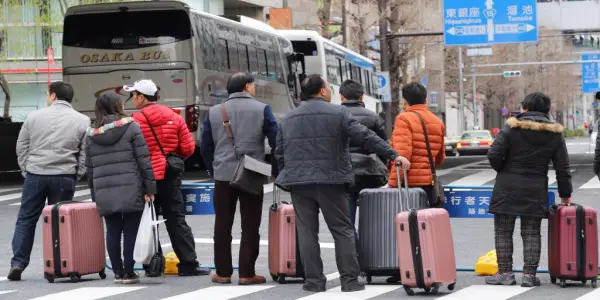
Japan has formally protested against China's advisory urging its citizens to refrain from traveling to Japan, amid escalating tensions linked to comments made by the new Japanese Prime Minister regarding Taiwan.
In-depth analysis
Background context
The recent diplomatic tensions between Japan and China stem from a long history of strained relations characterized by territorial disputes and differing stances on security matters. Japan's Prime Minister Sanae Takaichi has made provocative remarks about Taiwan, prompting a strong reaction from China, including a travel advisory warning its citizens against visiting Japan.
Key political implications
This advisory highlights the fragility of Japan-China relations and reflects broader geopolitical tensions in the region, particularly concerning Taiwan. Japan's military strengthening efforts may be further supported by the United States, intensifying the strategic rivalry with China.
Who gains / who loses
China may gain domestic support by portraying its advisory as a protective measure for its citizens, while Japan risks economic losses due to potential declines in Chinese tourism. The advisory may also exacerbate anti-Japanese sentiment among Chinese nationals.
Possible future scenarios
If tensions escalate, further travel advisories could emerge, leading to a significant downturn in tourism. Conversely, diplomatic engagements may occur to de-escalate the situation, potentially stabilizing relations and restoring tourism flows.
Did you know?
Why you should know this
The travel advisory from China could significantly impact Japan's economy, particularly its tourism sector. Chinese tourists once made up a substantial portion of visitors to Japan, contributing billions to local businesses. Understanding these diplomatic tensions helps to grasp how international relations can ripple into everyday experiences—affecting everything from hotel bookings to local attractions and even the jobs tied to tourism.
Behind the political curtain
In an unexpected twist, the relationship between Japan and China has seen over 70 years of unresolved historical grievances, stemming from Japan's actions during World War II. This historical context fuels current tensions, illustrating how past events continue to shape diplomatic relations today.
Ordinary person in an extraordinary situation
Yuki Tanaka, a small business owner in Kyoto, feels the weight of these diplomatic tensions acutely. Her family-run souvenir shop, which thrived on Chinese tourist traffic, has seen a sharp decline in sales since the advisory was issued. Yuki recalls the bustling days when her shop was filled with eager visitors, and now, with the uncertainty surrounding travel, she worries about her family’s financial stability. This situation highlights the human side of international disputes—real people facing the consequences of decisions made thousands of miles away. Yuki hopes for a resolution that brings back the vibrancy of her community and the connections that tourism fosters.

The Legacy of French Colonialism: Language and...

Mamdani's Victory: A Turning Point for the...
Cuban Authorities Engage in Deadly Clash with...

Canada Decides Against Public Disclosure of Nazi...

Italy's PM Meloni Responds Firmly to Trump's...

Ireland Moves Forward with Bill Targeting Israeli...

Isaac Asimov's Perspective on Star Trek: A Sci-Fi...

US Tariffs Impact Nuevo Leon's Steel Sector,...
US-South Korea Agreement to Develop...

Algeria Grants Pardon to Jailed Novelist Boualem...

Spain's Attorney General Convicted in...
South Korea Initiates First Military Talks with...

Challenges Faced by Costumes in 'Mighty Morphin...

The Evolving Landscape of Copyright Enforcement...

Hungarian Prime Minister Viktor Orban Engages...

Egypt Affirms Commercial Nature of Gas Agreement...
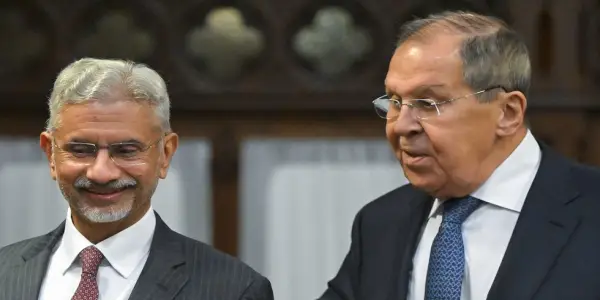
Russian and Indian Foreign Ministers Convene...

Misjudgments in Military Strategy: The Lessons...
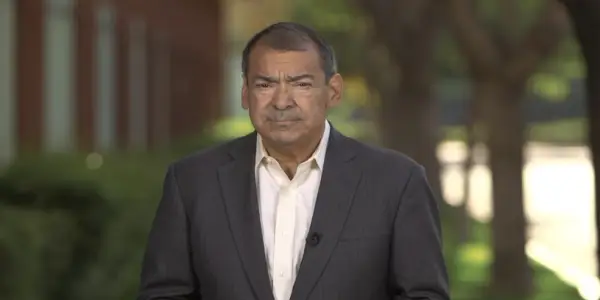
Jim Avila, Esteemed ABC News Correspondent, Dies...

Italy's Meloni Engages with Qatar Emir on Energy...

Reddit Enhances App Performance with R8...

WWE Raw Recap: Titles Change Hands in Thrilling...

U.S. Lawmakers Express Concerns Over Trump...
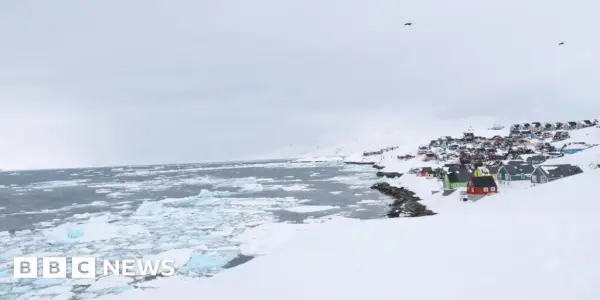
Trump Appoints Special Envoy to Greenland,...

Peru Sever Diplomatic Relations with Mexico Amid...

Revitalizing Relations: The Future of the...
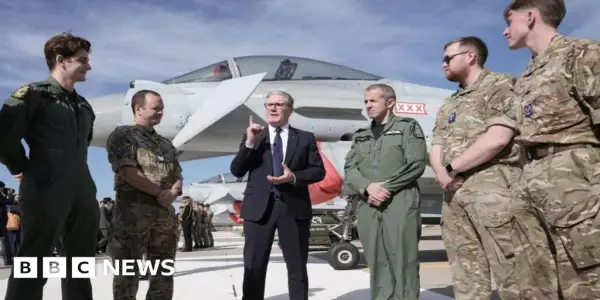
UK Finalizes £8 Billion Typhoon Fighter Jet...

The 1969 Sino-Soviet Border Conflict: A Near Miss...

Exploring Intimacy and Isolation in Claire-Louise...
South Korea Rebuilds Trust and Reassesses Foreign...

European Allies Stand Firm with Denmark Amid U.S....
Trump Addresses Nuclear Testing, Government...

Colombia's ELN Rebels Intensify Military Drills...

Saudi Crown Prince's Invitation to the White...

Is the U.S. Reassessing Its Stance on Israel...

Apple Achieves Unprecedented Financial Success in...
Geopolitical Tensions Surround Palau Amid...
Switzerland Faces Economic Challenges Amid U.S....
Sias University Adapts to Modern Educational...

The Fate of the Maquis in Star Trek: A Missed...