Tommaso Calabro: A Gallerist's Commitment to Art and Culture
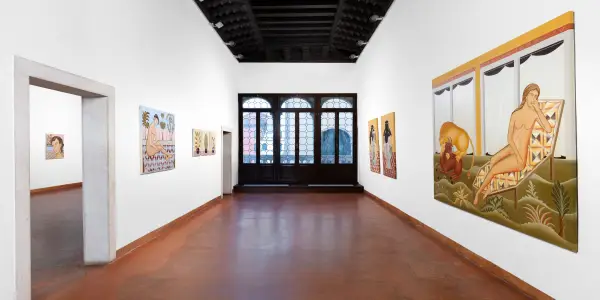
Tommaso Calabro's galleries in Milan and Venice showcase artists like Leonor Fini and Ismaele Nones, fostering cultural dialogue in today's art scene.
In-depth analysis
Background context
Tommaso Calabro represents a new wave of independent gallerists who prioritize personal connections and cultural dialogue over commercial pressures. Operating galleries in Milan and Venice, he emphasizes nurturing artistic development, showcasing works by notable artists like Leonor Fini and Ismaele Nones, and fostering community engagement through curated events.
Key political implications
Calabro's approach challenges the dominance of major auction houses, suggesting a shift towards valuing artistic integrity and local culture over profit-driven models in the art market.
Who gains / who loses
Independent gallerists like Calabro gain visibility and influence by prioritizing meaningful connections with artists and audiences. Conversely, larger commercial galleries and auction houses may face challenges as collectors increasingly seek authentic engagement over high-stakes transactions.
Possible future scenarios
As the art landscape evolves, the prominence of independent galleries may rise, fostering a more diverse artistic dialogue. This shift could lead to a redefined market that values cultural significance alongside financial gain.
Did you know?
Why you should know this
Independent gallerists like Tommaso Calabro play a crucial role in shaping the contemporary art scene, offering a personal touch that often gets lost in larger commercial settings. By prioritizing community engagement and artistic dialogue, these gallerists provide a platform for emerging artists to thrive. Their work has a direct impact on local culture, making art more accessible and fostering connections that enrich everyday life.
Behind the political curtain
Tommaso Calabro's family history is deeply intertwined with the evolution of art in Italy. His grandfather was a fine art printer who struggled to adapt as the industry shifted towards digital media, a reflection of larger economic trends that have affected many traditional art forms.
Ordinary person in an extraordinary situation
Take Elena, a 34-year-old teacher in Milan, who visits Tommaso Calabro's gallery regularly. For her, these visits are not just about viewing art; they are a lifeline. She finds solace in the intimate atmosphere, where she connects with local artists and fellow enthusiasts. Elena recalls a recent event where she met Ismaele Nones and discussed the themes of his exhibition, 'What We Hold What We Lose.' This personal engagement with artists transforms her understanding of art from mere observation to meaningful dialogue, empowering her to explore her own creative pursuits. In a world increasingly dominated by impersonal transactions, galleries like Calabro's remind people of the profound connections that art can foster.
Expert Commentary
Japan and Finland in Diplomatic Tension Following...

Geopolitical Tensions Surround Palau Amid...

Canada Decides Against Public Disclosure of Nazi...
Political Reactions to BBC Leadership Changes...
Mark Carney Discusses Political Transition During...
Bhutan's Complex Relationship with India: A...
Misjudgments in Military Strategy: The Lessons...
Golden Snub-Nosed Monkeys Make European Debut in...
Italy's Meloni Engages with Qatar Emir on Energy...
Denmark's Prime Minister Advocates for Stricter...
New England Senators Play Crucial Role in...
Canada's Carney to Meet Xi in China, Signaling a...

Challenges Faced by Costumes in 'Mighty Morphin...

Germany Resumes Arms Exports to Israel Amid...
Mamdani Emerges Victorious in NYC Mayoral Race...

Isaac Asimov's Perspective on Star Trek: A Sci-Fi...
Khamenei Assassination: A Pivotal Shift in...
New Yorkers Kick Off Early Voting for Mayoral...
Revitalizing Relations: The Future of the...
Exiled Russian Orthodox Leader Responds to Spying...

Apple Achieves Unprecedented Financial Success in...

Is the U.S. Reassessing Its Stance on Israel...

Jetpack Navigation 3 Achieves Stability for...
Trump Appoints Special Envoy to Greenland,...

Spain's Attorney General Convicted in...
South Korea Rebuilds Trust and Reassesses Foreign...
Ireland Moves Forward with Bill Targeting Israeli...
Syria's Foreign Minister Visits China to...

NASA Unveils Stunning Images of Interstellar...
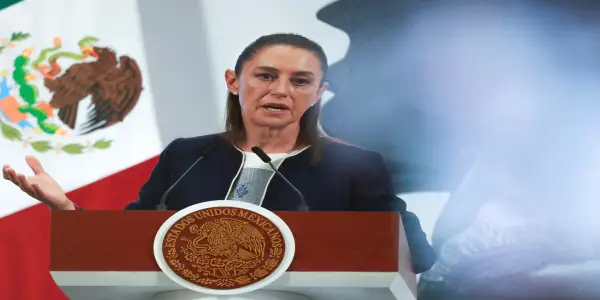
US Tariffs Impact Nuevo Leon's Steel Sector,...

Baden Bower Reduces Pitch-to-Publish Timeline by...

Egypt Affirms Commercial Nature of Gas Agreement...
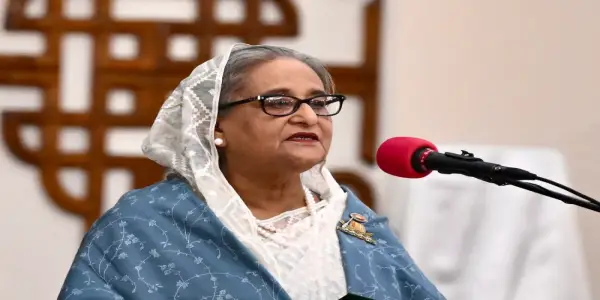
Bangladesh's International Crimes Tribunal...
Six Finalists Announced for the 2026...
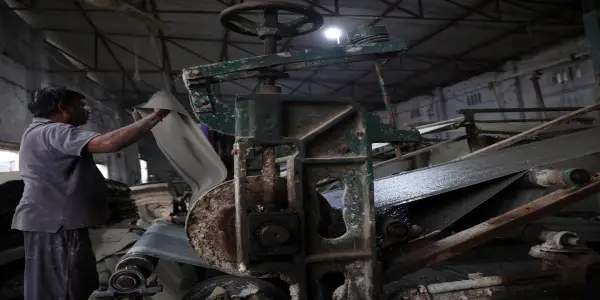
Indian Trade Unions Rally Against New Labour...
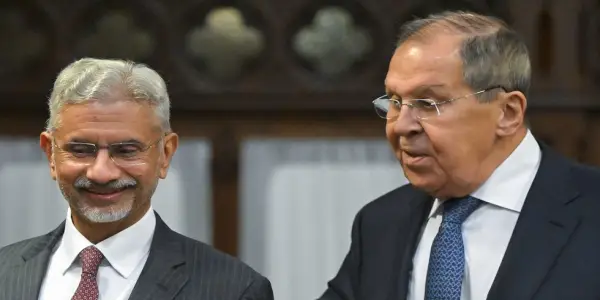
Russian and Indian Foreign Ministers Convene...
Democrats Celebrate Recent Wins Amidst Internal...
Algeria Grants Pardon to Jailed Novelist Boualem...
Cuba Rejects U.S. Security Threat Claims Amid...
The Impact of Trump's Second Year: A Year of...