Misjudgments in Military Strategy: The Lessons from Iran

Recent tensions with Iran highlight the perils of overconfidence in military strategy, revealing how misjudgments can escalate conflicts and impact global st...
In-depth analysis
Background context
Recent tensions in the Middle East highlight the pitfalls of overestimating military strength, particularly in U.S.-Iran relations. Historical examples illustrate that misjudgments often lead to defeat, emphasizing the need for careful evaluation of both capabilities and intentions in geopolitical conflicts.
Key political implications
The escalating conflict complicates U.S. diplomatic efforts, as allies like India and Sri Lanka lean towards non-military solutions, potentially isolating the U.S. in its approach to Iran.
Who gains / who loses
Iran's strategic maneuvers have positioned it as a formidable player in the region, gaining leverage over U.S. interests. Conversely, the U.S. risks losing credibility among its allies and facing increased challenges in managing regional dynamics.
Possible future scenarios
U.S. policymakers may choose to recalibrate their strategies, potentially seeking diplomatic avenues with Iran. Alternatively, continued miscalculations could lead to heightened tensions and further destabilization in the region.
Did you know?
Why you should know this
The current tensions in the Middle East could directly impact global oil prices and supply chains, affecting everything from gasoline costs to the price of goods in your local store. The U.S. military's approach to Iran may shape international alliances and influence how countries like India and Sri Lanka engage with the U.S., affecting diplomatic relations and trade agreements that are crucial to everyday economic stability.
Behind the political curtain
Since the U.S. severed diplomatic ties with Iran in 1979, it has relied heavily on intelligence from external sources, notably Israel. This reliance has often led to miscalculations in assessing threats and opportunities, complicating U.S. responses in the region.
Ordinary person in an extraordinary situation
Consider Maria, a small business owner in Los Angeles who imports textiles from India. Recently, she received notice from her suppliers that rising oil prices, driven by Middle Eastern tensions, would drastically increase shipping costs. Maria's business, already stretched thin after the pandemic, now faces the prospect of raising prices or risking her customer base. As she navigates these challenges, Maria finds herself grappling with the broader implications of geopolitical decisions made thousands of miles away, underscoring how political miscalculations can ripple through everyday lives, affecting ordinary people in profound ways.
Expert Commentary
Syria's Foreign Minister Visits China to...
Russian and Indian Foreign Ministers Convene...

WWE Raw Recap: Titles Change Hands in Thrilling...
Six Finalists Announced for the 2026...
Switzerland Faces Economic Challenges Amid U.S....

The Evolving Landscape of Copyright Enforcement...
NFL Players Union Faces Grievance Over Annual...

Political Reactions to BBC Leadership Changes...
Examining Trump's Claims of Resolving Conflicts:...

Exploring Intimacy and Isolation in Claire-Louise...
Geopolitical Tensions Surround Palau Amid...

U.S. Lawmakers Express Concerns Over Trump...

Mamdani Emerges Victorious in NYC Mayoral Race...

The Fate of the Maquis in Star Trek: A Missed...
Zohran Mamdani's Vision for Global Municipal...
U.S. Extends Sanctions Relief as Syrian Leader...
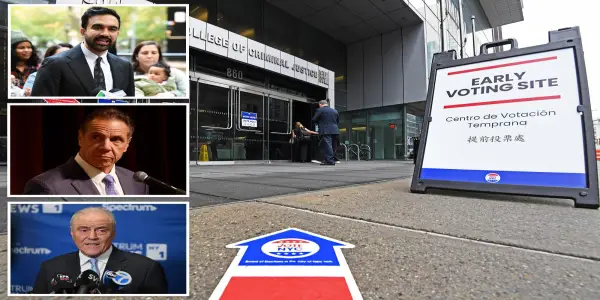
New Yorkers Kick Off Early Voting for Mayoral...

Inquiry Critiques Scottish Government's Covid-19...

Isaac Asimov's Perspective on Star Trek: A Sci-Fi...
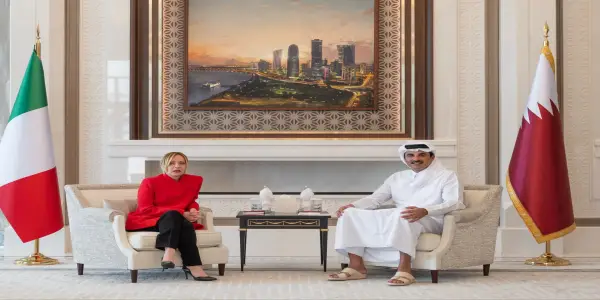
Italy's Meloni Engages with Qatar Emir on Energy...
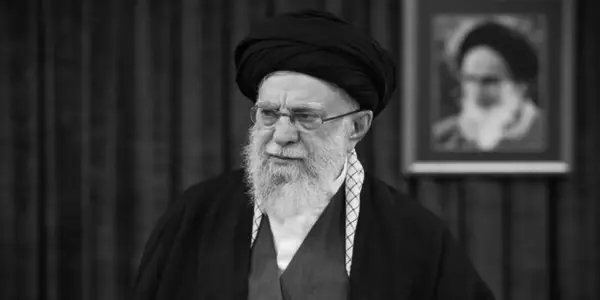
Khamenei Assassination: A Pivotal Shift in...

Trump Appoints Special Envoy to Greenland,...
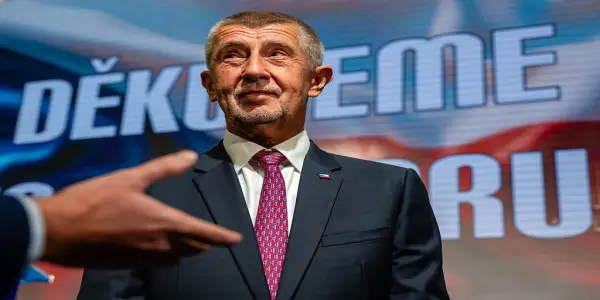
Czech President Appoints Billionaire Former Prime...

New Advocacy Report Urges Action Against Child...

Denmark's Prime Minister Advocates for Stricter...

Japan Protests China's Travel Advisory Amid...

Japan and Finland in Diplomatic Tension Following...
Canada and China Take Steps Toward Repairing...
Is the U.S. Reassessing Its Stance on Israel...

Baden Bower Reduces Pitch-to-Publish Timeline by...

Sias University Adapts to Modern Educational...
The Legacy of French Colonialism: Language and...

AfD Leader Raises Concerns Over Potential Threats...

Jared Isaacman Renominated as NASA Administrator...

Jetpack Navigation 3 Achieves Stability for...
US-South Korea Agreement to Develop...

Revitalizing Relations: The Future of the...
The Role of Palestinian Statehood in Advancing...
Saudi Crown Prince's Invitation to the White...
Bangladesh's International Crimes Tribunal...