The Legacy of French Colonialism: Language and Cultural Assimilation
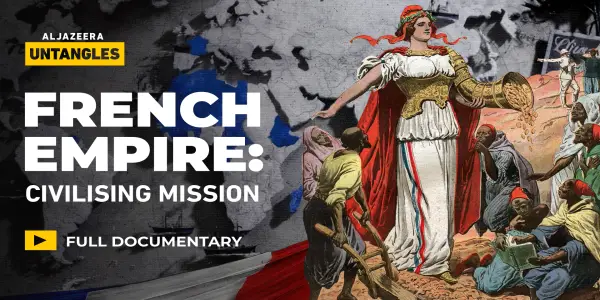
An exploration of how the French Empire utilized language, education, and cultural integration to exert control and its lasting implications in today's world.
In-depth analysis
Background context
The French Empire's expansion was characterized by a dual strategy of military conquest and cultural assimilation, known as the 'mission civilisatrice.' This approach aimed to reshape colonized societies through education and governance, leaving a complex legacy that continues to influence contemporary social and political dynamics across former colonies.
Key political implications
The documentary highlights how historical colonial practices have shaped modern political identities and governance structures, prompting critical discussions about national identity and the enduring effects of colonialism on contemporary French society.
Who gains / who loses
Colonial legacies often benefit those in positions of power within former colonial nations, allowing them to maintain cultural and economic dominance. Conversely, former colonies frequently grapple with the residual effects of exploitation and systemic inequality, complicating their paths toward self-determination.
Possible future scenarios
As discussions around colonial legacies continue, there may be increased calls for reparative justice and cultural recognition. This could lead to a reevaluation of educational curricula and policies aimed at addressing historical injustices and fostering more equitable societies.
Did you know?
Why you should know this
Understanding the 'mission civilisatrice' helps illuminate the foundations of modern social structures. Many societal issues today—like educational inequities and cultural tensions—are rooted in colonial histories. Recognizing how these legacies shape our world can empower communities to address ongoing disparities and foster informed discussions about identity, governance, and social justice.
Behind the political curtain
During the French colonial era, Algeria's settler population reached nearly one million by the 1950s, significantly altering the demographic landscape. This influx not only intensified local resistance but also reshaped cultural identities, laying the groundwork for the complex socio-political environment that persists in contemporary Algeria.
Ordinary person in an extraordinary situation
Meet Amina, a young teacher in contemporary Algeria, who grapples with the legacy of colonial education systems. Her grandmother experienced the harsh realities of French rule, and Amina feels the weight of history as she strives to promote an inclusive curriculum. Every day, she faces the challenge of not just teaching academic subjects but also instilling a sense of pride and identity in her students. Amina often reflects on how the remnants of colonial policies still echo in her classroom, affecting student engagement and aspirations. By turning the page on this complex legacy, she aims to inspire a new generation to reclaim their cultural narratives while navigating the modern world.
Expert Commentary
The French Empire’s use of cultural assimilation, or the ‘mission civilisatrice,’ reveals how colonial power extended beyond military conquest. By imposing education, language, and governance, France reshaped societies, leaving legacies that still influence social hierarchies and global relations today.
Canada and China Take Steps Toward Repairing...
Geopolitical Tensions Surround Palau Amid...
Canada Decides Against Public Disclosure of Nazi...

Political Reactions to BBC Leadership Changes...

Mark Carney Discusses Political Transition During...

Bhutan's Complex Relationship with India: A...

Misjudgments in Military Strategy: The Lessons...

Golden Snub-Nosed Monkeys Make European Debut in...
Italy's Meloni Engages with Qatar Emir on Energy...

Denmark's Prime Minister Advocates for Stricter...

New England Senators Play Crucial Role in...
Canada's Carney to Meet Xi in China, Signaling a...

Challenges Faced by Costumes in 'Mighty Morphin...
Germany Resumes Arms Exports to Israel Amid...

Mamdani Emerges Victorious in NYC Mayoral Race...

Isaac Asimov's Perspective on Star Trek: A Sci-Fi...
Khamenei Assassination: A Pivotal Shift in...

New Yorkers Kick Off Early Voting for Mayoral...

Revitalizing Relations: The Future of the...
Exiled Russian Orthodox Leader Responds to Spying...

Sias University Adapts to Modern Educational...
Is the U.S. Reassessing Its Stance on Israel...

Jetpack Navigation 3 Achieves Stability for...

Trump Appoints Special Envoy to Greenland,...

Spain's Attorney General Convicted in...
South Korea Rebuilds Trust and Reassesses Foreign...
Six Finalists Announced for the 2026...
Syria's Foreign Minister Visits China to...

NASA Unveils Stunning Images of Interstellar...
US Tariffs Impact Nuevo Leon's Steel Sector,...

Baden Bower Reduces Pitch-to-Publish Timeline by...
Egypt Affirms Commercial Nature of Gas Agreement...
Bangladesh's International Crimes Tribunal...

Ireland Moves Forward with Bill Targeting Israeli...

Indian Trade Unions Rally Against New Labour...
Russian and Indian Foreign Ministers Convene...
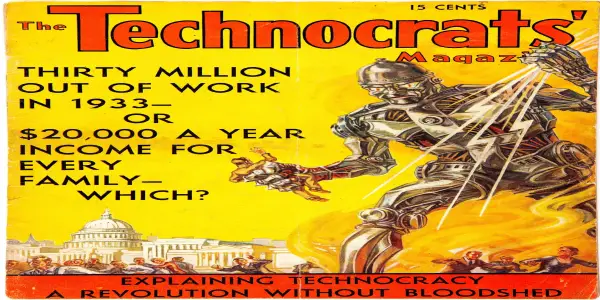
The Rise of Technocracy in Modern Governance

Algeria Grants Pardon to Jailed Novelist Boualem...
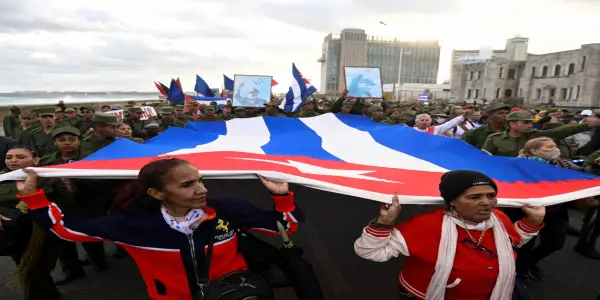
Cuba Rejects U.S. Security Threat Claims Amid...

The Impact of Trump's Second Year: A Year of...