Golden Snub-Nosed Monkeys Make European Debut in Cultural Exchange
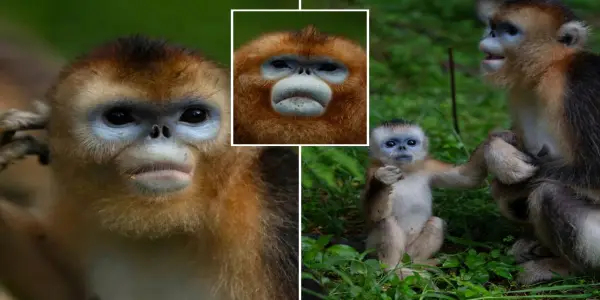
The arrival of China's endangered golden snub-nosed monkeys in European zoos marks a significant moment in conservation diplomacy, echoing the historical precedent set by panda diplomacy while raising questions about animal welfare.
In-depth analysis
Background context
The arrival of three golden snub-nosed monkeys in France and Belgium marks a significant cultural exchange, commemorating 60 years of diplomatic relations between China and these European nations. This initiative highlights the trend of utilizing endangered species to foster international goodwill, reflecting both the unique biodiversity of China and its cultural heritage.
Key political implications
This initiative reinforces China's strategy of using wildlife as diplomatic tools, potentially enhancing its soft power in Europe while fostering cooperative ties in conservation and scientific research.
Who gains / who loses
European zoos benefit from increased visitor interest and cultural enrichment, while China showcases its conservation efforts. However, concerns arise regarding the welfare of the monkeys, as their long-distance transport and relocation may pose risks to their health.
Possible future scenarios
The successful integration of these monkeys could lead to further cultural exchanges and collaborations in conservation. Conversely, any welfare issues might prompt stricter regulations on the international transport of endangered species.
Did you know?
Why you should know this
The arrival of golden snub-nosed monkeys in European zoos highlights a unique blend of cultural diplomacy and wildlife conservation. This initiative not only fosters international goodwill but also raises awareness about endangered species and the importance of biodiversity. For families visiting these zoos, it’s an opportunity to learn about conservation efforts and the interconnectedness of global ecosystems, encouraging a more informed and compassionate perspective on wildlife.
Behind the political curtain
Before the golden snub-nosed monkeys made their way to Europe, they underwent extensive pre-export health checks and a month-long quarantine, a standard procedure that ensures the animals are healthy and free from disease. This meticulous process reflects both the logistical challenges and the diplomatic significance of transporting endangered species across borders.
Ordinary person in an extraordinary situation
Meet Clara, a 34-year-old teacher in Brussels, who took her students to Pairi Daiza Zoo to witness the golden snub-nosed monkeys. For Clara, this was more than just a fun outing; it was a chance to engage her class in a discussion about wildlife conservation and the importance of protecting endangered species. As the students marveled at the monkeys' vibrant colors and playful behavior, Clara felt a deep sense of responsibility to instill a passion for nature in her students. This cultural exchange sparked conversations about conservation efforts in China and the ethical implications of bringing these animals to Europe. Clara hopes that experiences like these will inspire her students to advocate for a world where both diplomacy and wildlife thrive.
Expert Commentary
Javier Milei's Victory Signals a Shift in...

Iraq's Parliamentary Elections: Key Insights...

US-South Korea Agreement to Develop...
Golden Snub-Nosed Monkeys Make European Debut in...

Bangladesh's International Crimes Tribunal...

Apple Achieves Unprecedented Financial Success in...

Bhutan's Complex Relationship with India: A...

Ireland Moves Forward with Bill Targeting Israeli...

The Fate of the Maquis in Star Trek: A Missed...

Bangladesh Seeks India's Assistance in...

South Korea Rebuilds Trust and Reassesses Foreign...

Tarique Rahman's Homecoming: A Potential Turning...

New England Senators Play Crucial Role in...

Misjudgments in Military Strategy: The Lessons...
Canada's Carney to Meet Xi in China, Signaling a...
Is the U.S. Reassessing Its Stance on Israel...

Spain's Attorney General Convicted in...

Mamdani Emerges Victorious in NYC Mayoral Race...

Algeria Grants Pardon to Jailed Novelist Boualem...
Examining Trump's Claims of Resolving Conflicts:...
Russian and Indian Foreign Ministers Convene...

Nevada's Governor's Office Allegedly Intervened...

The 1969 Sino-Soviet Border Conflict: A Near Miss...

Japan Protests China's Travel Advisory Amid...

Jared Isaacman Renominated as NASA Administrator...

Inquiry Critiques Scottish Government's Covid-19...
The Role of Palestinian Statehood in Advancing...


Isaac Asimov's Perspective on Star Trek: A Sci-Fi...

Cuban Authorities Engage in Deadly Clash with...
Contradictory Signals from Trump and Rubio on...

U.S. Authorities Detain British Journalist Linked...

EA Raises Concerns Over Sale to Saudi Arabia's...

The Evolving Landscape of Copyright Enforcement...
Switzerland Faces Economic Challenges Amid U.S....

Kenya Urges Protection for Citizens Amid...

Canada Decides Against Public Disclosure of Nazi...

WWE Raw Recap: Titles Change Hands in Thrilling...

Denmark's Prime Minister Advocates for Stricter...

Texas Governor Abbott Designates CAIR as a...