Impact of Orbán's Ouster on Global Research Dynamics
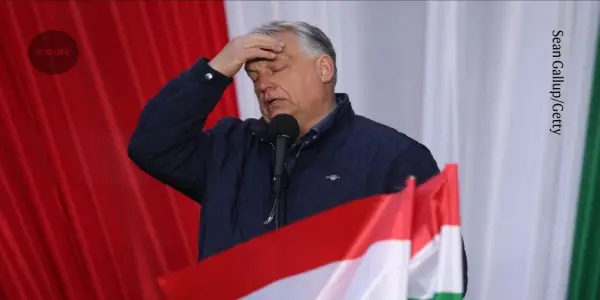
Hungary's new leadership may restore academic freedoms, but experts warn rebuilding science requires more than reversing past policies.
In-depth analysis
Background context
Viktor Orbán's 16-year rule in Hungary was marked by significant restrictions on academic freedom and autonomy, which severely impacted the scientific community. Researchers experienced a decline in institutional support and faced challenges from politically motivated reforms. The recent electoral victory of Péter Magyar has raised hopes for a revitalization of the research landscape and a potential shift away from Orbán's policies.
Key political implications
Péter Magyar's two-thirds majority empowers his government to amend the constitution, potentially reversing Orbán's reforms. This shift could redefine Hungary's approach to academic governance and international collaboration.
Who gains / who loses
The scientific community stands to gain from Magyar's leadership, with hopes for restored academic freedoms and funding opportunities. However, sectors like healthcare and education may compete for government attention, potentially sidelining research priorities.
Possible future scenarios
Hungary might reestablish its position in European research initiatives, fostering collaboration and innovation. Alternatively, if academic concerns are deprioritized, the scientific community could continue to struggle with instability and limited international engagement.
Did you know?
Why you should know this
The electoral shift in Hungary marks a pivotal moment for the scientific community, directly impacting the future of research and innovation. With Hungary having lost access to crucial EU funding, the change in leadership could revitalize academic institutions and restore essential resources. For everyday citizens, improvements in research could lead to advancements in healthcare, technology, and education, ultimately enhancing quality of life.
Behind the political curtain
During Viktor Orbán's tenure, Hungary's scientific community experienced a drastic decline, with a reported 40% decrease in international research collaborations. This isolation not only stifled innovation but also pushed many researchers to seek opportunities abroad, leading to a brain drain that could take years to reverse.
Ordinary person in an extraordinary situation
Imola Wilhelm, a neuroscientist at the Biological Research Centre in Szeged, embodies the uncertainty faced by many researchers. After years of navigating a restrictive environment, she feels a mix of hope and apprehension about the new government. Wilhelm recalls the excitement of collaborative projects that once flourished, now stifled by political constraints. She dreams of a future where young scientists can thrive without fear, fostering a vibrant academic community. For her, the chance of revitalization is not just about funding; it’s about nurturing a culture of inquiry and innovation that could inspire the next generation of thinkers and problem-solvers.
Expert Commentary

Geopolitical Tensions Surround Palau Amid...

Bangladesh's International Crimes Tribunal...
Japan Reacts Strongly to China's Travel Advisory...
Democrats Celebrate Recent Wins Amidst Internal...
U.S. Embassies Redefine Human Rights:...

Spain's Attorney General Convicted in...
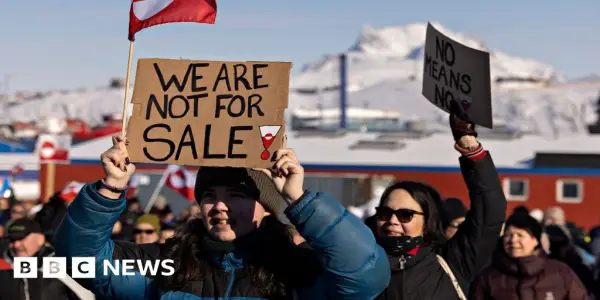
European Allies Stand Firm with Denmark Amid U.S....
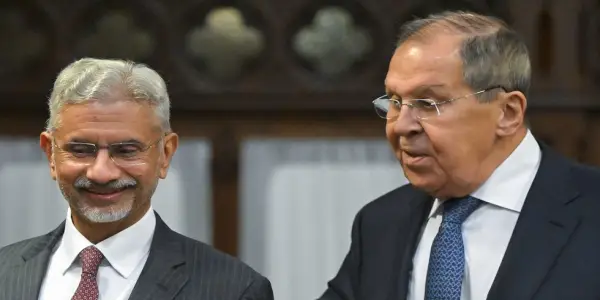
Russian and Indian Foreign Ministers Convene...

Reddit Enhances App Performance with R8...

Kenya Urges Protection for Citizens Amid...

Iraq's Parliamentary Elections: Key Insights...

Baden Bower Reduces Pitch-to-Publish Timeline by...

Ireland Moves Forward with Bill Targeting Israeli...
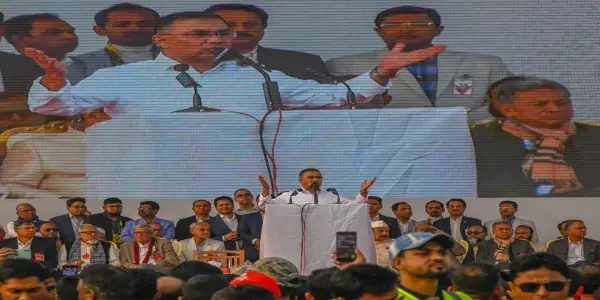
Tarique Rahman's Homecoming: A Potential Turning...
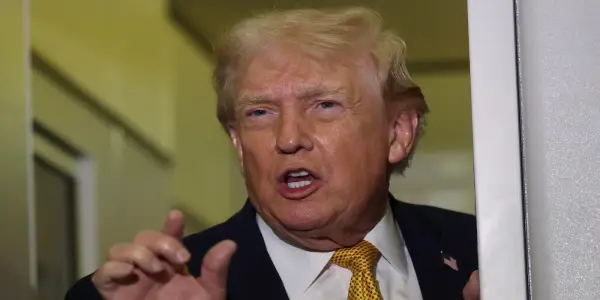
Contradictory Signals from Trump and Rubio on...
Bangladesh Seeks India's Assistance in...
Revitalizing Relations: The Future of the...

Is the U.S. Reassessing Its Stance on Israel...
Canada's Carney to Meet Xi in China, Signaling a...

Political Reactions to BBC Leadership Changes...

New Yorkers Kick Off Early Voting for Mayoral...
Limited Expectations as Trump and Xi Approach...

Exploring Intimacy and Isolation in Claire-Louise...

The Evolving Landscape of Copyright Enforcement...

Key Insights from Trump's National Security...
AfD Leader Raises Concerns Over Potential Threats...

EA Raises Concerns Over Sale to Saudi Arabia's...
Canada and China Take Steps Toward Repairing...

Comet 3I/ATLAS Continues to Mystify Scientists...

Cuban Authorities Engage in Deadly Clash with...
Golden Snub-Nosed Monkeys Make European Debut in...
South Africa's G20 Presidency: A Mixed Legacy of...

Apple Achieves Unprecedented Financial Success in...
Zohran Mamdani Secures Victory in New York City...
European Automakers Face New Chip Shortage as...

Denmark's Prime Minister Advocates for Stricter...
Lessons from Ulysses S. Grant on Civil-Military...

US-South Korea Agreement to Develop...

U.S. Lawmakers Express Concerns Over Trump...
Peru Sever Diplomatic Relations with Mexico Amid...