Trump Reverses Stance on Greenland After UK Advocates for Danish Sovereignty, Says Lammy
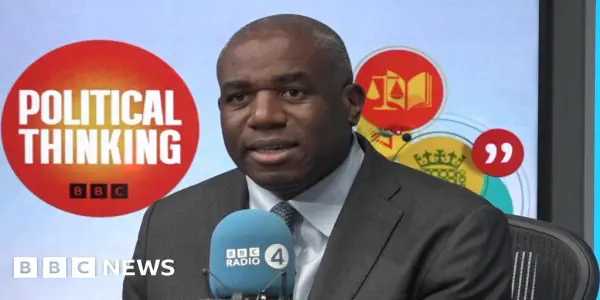
UK Deputy Prime Minister David Lammy claims that President Trump's withdrawal of threats regarding Greenland was influenced by the UK's defense of Denmark's territorial rights.
In-depth analysis
Background context
President Trump's previous interest in Greenland, marked by a failed attempt to purchase the territory in 2019, strained US-Denmark relations and raised concerns among NATO allies. Recent tensions peaked when Trump suggested military action, prompting a reevaluation of diplomatic strategies, especially in light of increased geopolitical competition in the Arctic region.
Key political implications
This shift in Trump's approach underscores the significance of international cooperation and respect for sovereignty, potentially strengthening transatlantic ties and reaffirming the role of diplomacy in addressing territorial disputes.
Who gains / who loses
European nations, particularly Denmark and the UK, benefit from this more diplomatic US stance, as it fosters stability and collaboration. Conversely, Trump's previous hardline approach may have alienated certain factions within the US, who favor a more assertive foreign policy.
Possible future scenarios
If the US continues to prioritize diplomacy over aggression, it may lead to strengthened alliances in Europe. Alternatively, a resurgence of unilateral actions could reignite tensions, complicating transatlantic relations and impacting NATO's cohesion.
Did you know?
Why you should know this
The recent diplomatic shift regarding Greenland illustrates how international relations can directly affect everyday life, from trade agreements to national security. As tensions ease, citizens in both the US and Denmark may experience a more stable relationship, impacting everything from tourism to economic partnerships. Understanding these dynamics can help individuals appreciate the broader implications of foreign policy decisions.
Behind the political curtain
A surprising aspect of this situation is that President Trump’s initial interest in buying Greenland in 2019 was not merely a personal whim; it stemmed from strategic considerations about Arctic resources and military positioning, highlighting the territory's geopolitical significance.
Ordinary person in an extraordinary situation
Consider the story of Mia Jensen, a schoolteacher in Nuuk, Greenland. For her, the political drama surrounding her homeland isn't just abstract headlines; it directly affects her community. With the threat of military action looming, Mia felt a wave of anxiety wash over her as neighbors worried about potential conflict disrupting their daily lives. The recent shift towards diplomacy has brought her a sense of relief, sparking discussions about the future. Mia and her students, who often learn about global politics, now feel hopeful that respect for their sovereignty might foster international partnerships that benefit Greenland’s economy and culture. In a world where political decisions can seem distant, Mia's experience serves as a reminder of the human stakes involved in every diplomatic maneuver.
Expert Commentary
So… Trump blinked. Honestly, I’m relieved. The idea of buying Greenland was always absurd, but threatening force over it? That’s next-level dangerous. Glad the UK and Europe actually held the line here. Diplomacy still works—sometimes you just need someone to calmly say, “Hey, no.” Hopefully this sets a tone, not just a one-off.

Misjudgments in Military Strategy: The Lessons...
South Korea Rebuilds Trust and Reassesses Foreign...

Apple Achieves Unprecedented Financial Success in...
The Impact of Trump's Second Year: A Year of...

NFL Players Union Faces Grievance Over Annual...
U.S. Lawmakers Express Concerns Over Trump...
US Tariffs Impact Nuevo Leon's Steel Sector,...

Lessons from Ulysses S. Grant on Civil-Military...
Japan Protests China's Travel Advisory Amid...
Canada Decides Against Public Disclosure of Nazi...

Bhutan's Complex Relationship with India: A...

WWE Raw Recap: Titles Change Hands in Thrilling...
Germany Resumes Arms Exports to Israel Amid...

Miss Universe Cayman Islands Advocates for Global...
U.S. Extends Sanctions Relief as Syrian Leader...
Geopolitical Tensions Surround Palau Amid...
Javier Milei's Victory Signals a Shift in...

Mamdani Emerges Victorious in NYC Mayoral Race...
Trump Appoints Special Envoy to Greenland,...

The Evolving Landscape of Copyright Enforcement...
Colombia's ELN Rebels Intensify Military Drills...
Six Finalists Announced for the 2026...
Denmark's Prime Minister Advocates for Stricter...
Jim Avila, Esteemed ABC News Correspondent, Dies...

Japan and Finland in Diplomatic Tension Following...
Japan Reacts Strongly to China's Travel Advisory...
Sanae Takaichi: Japan's First Female Prime...
Mamdani's Victory: A Turning Point for the...

Khamenei Assassination: A Pivotal Shift in...
South Korea Initiates First Military Talks with...
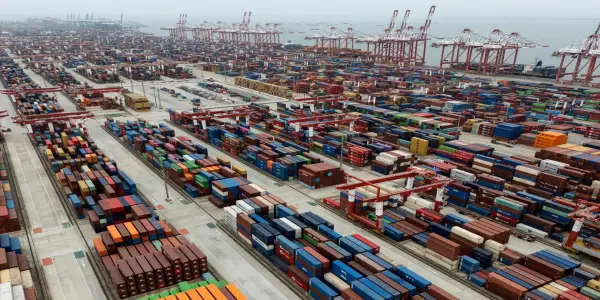
Limited Expectations as Trump and Xi Approach...
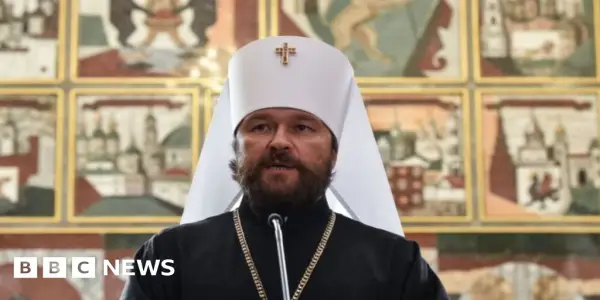
Exiled Russian Orthodox Leader Responds to Spying...

Inquiry Critiques Scottish Government's Covid-19...
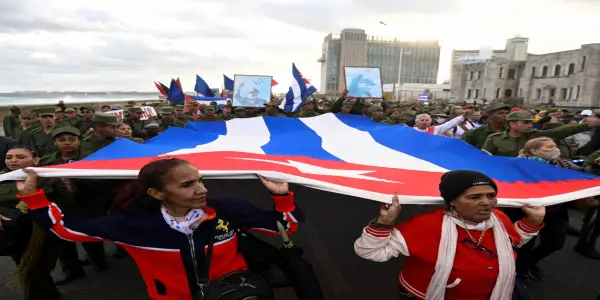
Cuba Rejects U.S. Security Threat Claims Amid...
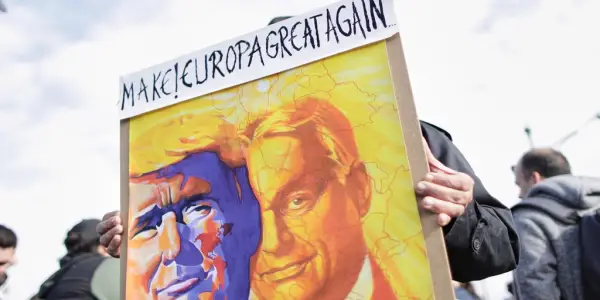
Hungarian Prime Minister Viktor Orban Engages...
The Role of Palestinian Statehood in Advancing...
Italy's Meloni Engages with Qatar Emir on Energy...
Examining Trump's Claims of Resolving Conflicts:...

EA Raises Concerns Over Sale to Saudi Arabia's...