U.S. Lawmakers Express Concerns Over Trump Administration's Ukraine-Russia Peace Proposal

Members of the Senate Foreign Relations Committee and the Congressional Ukraine Caucus have voiced criticism regarding a proposed peace plan that they believe favors Russia.
In-depth analysis
Background context
The proposed peace plan, revealed by a Ukrainian opposition figure, suggests Ukraine cede control of its eastern Donbas region and Crimea while abandoning NATO membership. This initiative, backed by the Trump administration, has raised significant concerns among U.S. lawmakers, who emphasize the need to uphold Ukraine's sovereignty amid ongoing Russian aggression.
Key political implications
The proposal could shift U.S. foreign policy priorities, potentially undermining bipartisan support for Ukraine. Lawmakers fear that concessions to Russia may embolden further aggression, challenging the established norms of international security.
Who gains / who loses
If the peace proposal is accepted, Russia stands to gain territorial control and influence over Ukraine, while Ukraine would face significant losses in sovereignty and security. This scenario raises alarms among U.S. lawmakers who advocate for a stronger stance against Russian encroachment.
Possible future scenarios
Future discussions may lead to either a rejection of the proposal, reinforcing Ukraine's defensive posture, or a contentious acceptance that could destabilize regional security. The outcome will significantly influence international relations and the balance of power in Eastern Europe.
Did you know?
Why you should know this
The proposed peace framework could reshape the future of Ukraine, impacting millions. If Ukraine is forced to concede territory, it not only affects national security but also economic stability and the lives of everyday Ukrainians. Many families are already grappling with the consequences of war, and any shift in policy could further complicate their struggle for normalcy and safety.
Behind the political curtain
Despite bipartisan concerns, the proposal has gained traction in diplomatic circles, revealing a complex interplay of interests. Interestingly, the idea of territorial concessions has historical precedent in peace negotiations, often leading to long-term instability and resentment among affected populations.
Ordinary person in an extraordinary situation
Maria, a 34-year-old schoolteacher in Kyiv, has watched her homeland endure years of turmoil. Her family was displaced from Donetsk when conflict erupted, and she now teaches children who have also lost their homes. Maria often reflects on her students' dreams of a peaceful future, yet she fears that a peace deal requiring territorial concessions will shatter their hopes. She worries that peace negotiations might prioritize political expediency over the genuine needs of the people, leaving them vulnerable and their aspirations unfulfilled. For Maria, every discussion about Ukraine's territorial integrity feels deeply personal, as it influences not just her future but the dreams of the children she nurtures.
Israel Seeks Diplomatic Renewal with Bolivia...
Canada's Carney to Meet Xi in China, Signaling a...

Nevada's Governor's Office Allegedly Intervened...

U.S. Authorities Detain British Journalist Linked...
U.S. Extends Sanctions Relief as Syrian Leader...
Javier Milei's Victory Signals a Shift in...

Key Insights from Trump's National Security...

Contradictory Signals from Trump and Rubio on...

European Automakers Face New Chip Shortage as...
US Tariffs Impact Nuevo Leon's Steel Sector,...

The Evolving Landscape of Copyright Enforcement...

Canada Decides Against Public Disclosure of Nazi...
Limited Expectations as Trump and Xi Approach...

Germany Resumes Arms Exports to Israel Amid...

Miss Universe Cayman Islands Advocates for Global...

Jetpack Navigation 3 Achieves Stability for...
Italy's PM Meloni Responds Firmly to Trump's...

Geopolitical Tensions Surround Palau Amid...

Exploring Intimacy and Isolation in Claire-Louise...

Peru Sever Diplomatic Relations with Mexico Amid...

Comet 3I/ATLAS Continues to Mystify Scientists...
Russian and Indian Foreign Ministers Convene...

Mamdani Emerges Victorious in NYC Mayoral Race...

China's Shift to a Cautious Research Strategy...
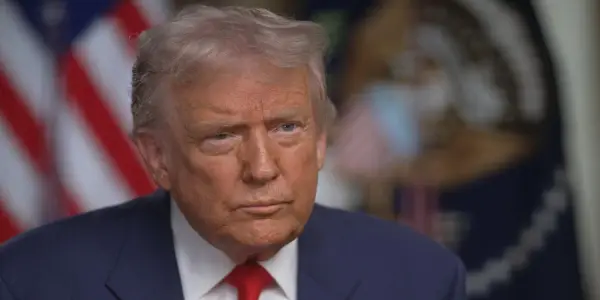
Trump Addresses Nuclear Testing, Government...

Spain's Attorney General Convicted in...

The 1969 Sino-Soviet Border Conflict: A Near Miss...

Democrats Celebrate Recent Wins Amidst Internal...

Hungarian Prime Minister Viktor Orban Engages...

Zohran Mamdani Secures Victory in New York City...

Denmark's Prime Minister Advocates for Stricter...
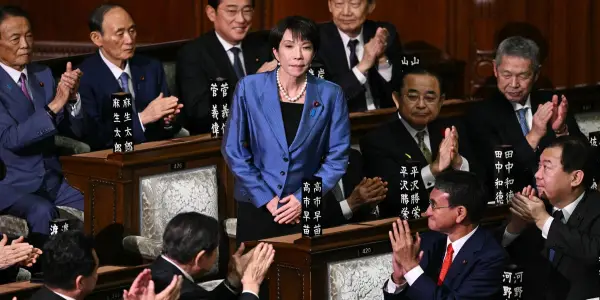
Japan Reacts Strongly to China's Travel Advisory...

UK Finalizes £8 Billion Typhoon Fighter Jet...

Khamenei Assassination: A Pivotal Shift in...

Egypt Affirms Commercial Nature of Gas Agreement...

Japan and Finland in Diplomatic Tension Following...
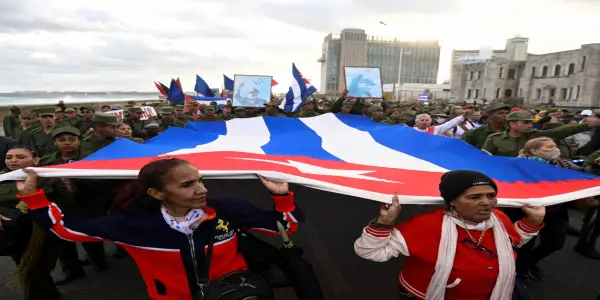
Cuba Rejects U.S. Security Threat Claims Amid...
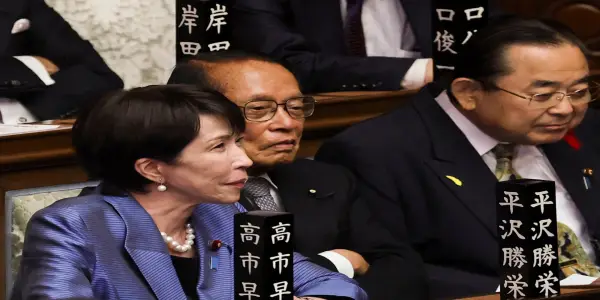
Sanae Takaichi: Japan's First Female Prime...

Exiled Russian Orthodox Leader Responds to Spying...

Zohran Mamdani's Vision for Global Municipal...