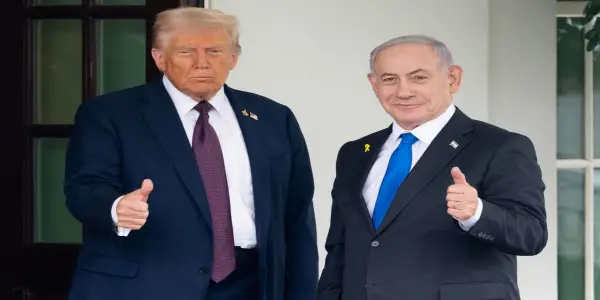
Hungarian Prime Minister Viktor Orban Engages with President Trump on Russian Oil Purchases
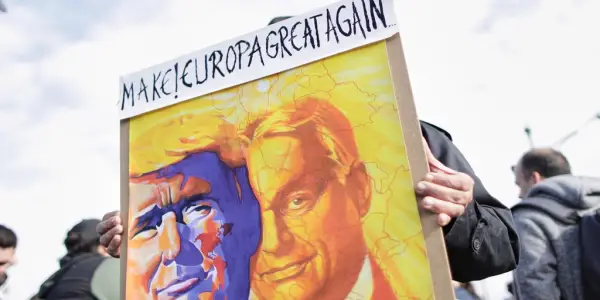
Hungarian Prime Minister Viktor Orban meets with President Trump to discuss energy needs and secures a one-year exemption for Russian oil purchases amid U.S....
In-depth analysis
Background context
Hungarian Prime Minister Viktor Orban's recent visit to Washington highlights the ongoing challenges Hungary faces in securing energy resources amid U.S. sanctions on Russia. As Hungary relies heavily on Russian oil and gas, the exemption granted for a year underscores the complexities of energy security in a geopolitically tense environment, particularly concerning the war in Ukraine.
Key political implications
The exemption from U.S. sanctions reinforces Orban's domestic political position, allowing him to navigate economic pressures while maintaining energy security. This move also reflects the broader geopolitical dynamics influencing alliances and energy policies across Europe.
Who gains / who loses
Hungary stands to gain significantly from the exemption, ensuring energy supplies for critical infrastructure like the Paks nuclear power plant. Conversely, this decision may undermine collective European efforts to reduce dependency on Russian energy, potentially isolating Hungary from its EU partners.
Possible future scenarios
If Hungary successfully maintains its energy ties with Russia, it may embolden other nations to seek similar exemptions, complicating unified responses to Moscow. Conversely, increased scrutiny from the EU could lead to heightened tensions over energy policy in Central Europe.
Did you know?
Why you should know this
The recent exemption from U.S. sanctions for Hungary highlights the delicate balance countries must strike between energy security and international relations. For consumers, this could mean continued reliance on Russian oil, impacting fuel prices and availability across Europe. Understanding these geopolitical dynamics helps individuals grasp how global decisions influence local economies and energy costs, affecting everything from heating bills to fuel for transportation.
Behind the political curtain
In a surprising twist, Hungary's exemption from U.S. sanctions is not unprecedented. Similar exemptions have been granted in the past, notably to countries like Turkey, reflecting a broader strategy by the U.S. to maintain alliances even amid geopolitical tensions. This illustrates the complexities of international diplomacy, where energy needs often dictate political decisions.
Ordinary person in an extraordinary situation
Meet Anna Kovacs, a single mother living in Budapest, who works at a local supermarket. With rising energy costs and uncertainty around fuel supplies, her daily life is increasingly affected by the political maneuvering of leaders like Viktor Orban. Anna worries about how the continued reliance on Russian energy could impact her family's budget, especially as she struggles to provide for her children amidst inflation. The exemption from U.S. sanctions might ease some immediate concerns, but for Anna, it raises deeper questions about the future of energy independence in Hungary. As she juggles her job and family, Anna represents many who feel the weight of global politics on their personal lives, navigating a world where decisions made thousands of miles away directly impact her ability to care for her family.
Democrats Celebrate Recent Wins Amidst Internal...
US Tariffs Impact Nuevo Leon's Steel Sector,...

Jared Isaacman Renominated as NASA Administrator...
The Impact of Trump's Second Year: A Year of...
Italy's Meloni Engages with Qatar Emir on Energy...
Zohran Mamdani Secures Victory in New York City...
Japan Reacts Strongly to China's Travel Advisory...

U.S. Authorities Detain British Journalist Linked...

Spain's Attorney General Convicted in...
Saudi Crown Prince's Invitation to the White...

NFL Players Union Faces Grievance Over Annual...

European Automakers Face New Chip Shortage as...

AfD Leader Raises Concerns Over Potential Threats...
The Rise of Technocracy in Modern Governance

Japan and Finland in Diplomatic Tension Following...
Canada Decides Against Public Disclosure of Nazi...
Javier Milei's Victory Signals a Shift in...
Geopolitical Tensions Surround Palau Amid...
Italy's PM Meloni Responds Firmly to Trump's...

Golden Snub-Nosed Monkeys Make European Debut in...

Apple Achieves Unprecedented Financial Success in...
Iraq's Parliamentary Elections: Key Insights...
Lessons from Ulysses S. Grant on Civil-Military...
Examining Trump's Claims of Resolving Conflicts:...

Misjudgments in Military Strategy: The Lessons...
Mamdani's Victory: A Turning Point for the...

Isaac Asimov's Perspective on Star Trek: A Sci-Fi...
Texas Governor Abbott Designates CAIR as a...
Inquiry Critiques Scottish Government's Covid-19...

China's Shift to a Cautious Research Strategy...
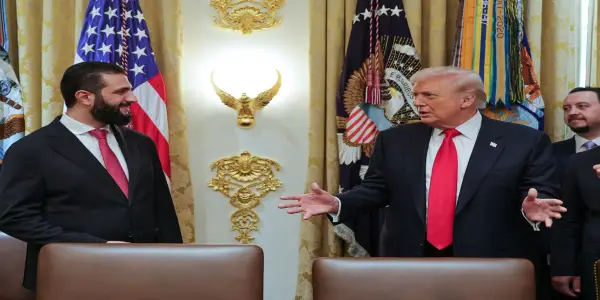
U.S. Extends Sanctions Relief as Syrian Leader...
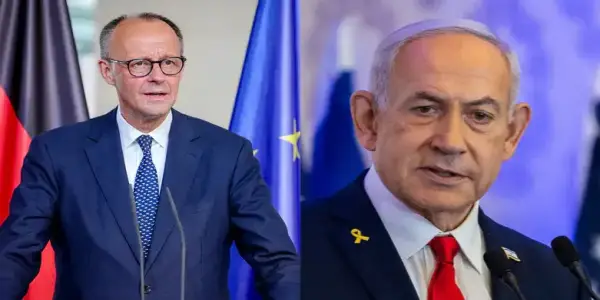
German Chancellor Merz to Visit Israel for Key...
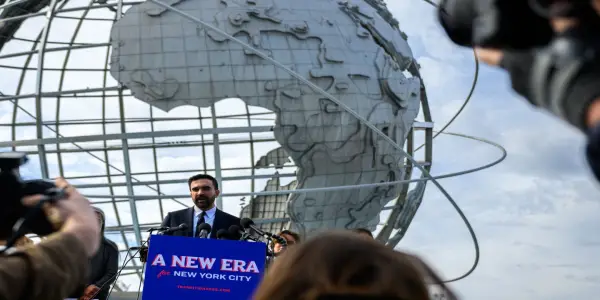
Zohran Mamdani's Vision for Global Municipal...

Algeria Grants Pardon to Jailed Novelist Boualem...
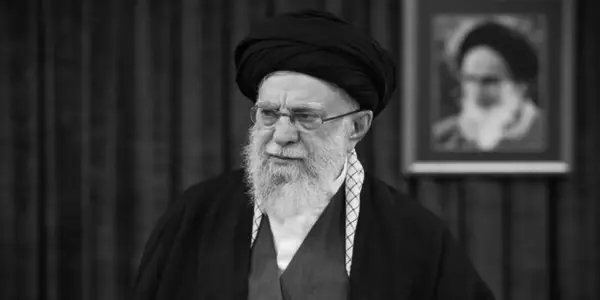
Khamenei Assassination: A Pivotal Shift in...

NASA Unveils Stunning Images of Interstellar...
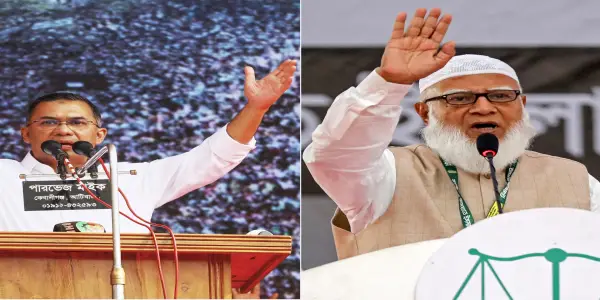
Bangladesh's Upcoming Election: Key Political...
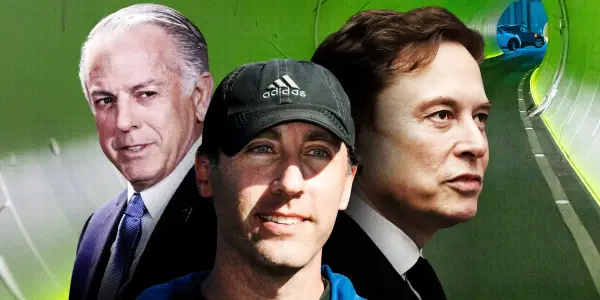
Nevada's Governor's Office Allegedly Intervened...

Comet 3I/ATLAS Continues to Mystify Scientists...