Iraq's Parliamentary Elections: Key Insights Ahead of the Vote
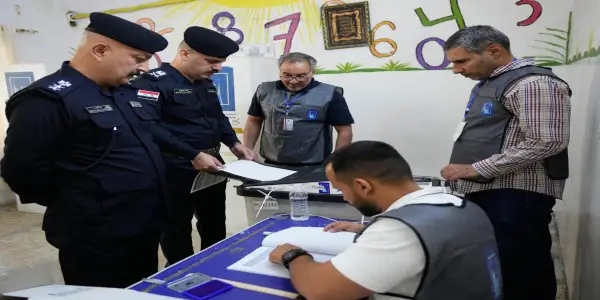
As Iraq prepares for its parliamentary elections, here’s a comprehensive look at what to expect and the implications for the nation's political landscape.
In-depth analysis
Background context
Iraq's parliamentary elections on Tuesday are steeped in historical significance, stemming from the U.S. invasion in 2003. This event not only fractured the nation's social cohesion but also intensified sectarian divisions, leading to a political landscape marked by disillusionment and ongoing challenges related to governance and public service delivery.
Key political implications
The elections could redefine Iraq's power dynamics, particularly within the Shia Coordination Framework and among Kurdish parties. The outcome may influence the central government's authority and its relationships with regional entities.
Who gains / who loses
Established political factions are likely to maintain their influence, while the absence of Moqtada al-Sadr could weaken opposition voices. Conversely, disenchanted voters, particularly the youth, may feel increasingly marginalized by the political process, leading to potential unrest.
Possible future scenarios
If voter turnout remains low, the legitimacy of the new government may be questioned, possibly leading to increased protests. Alternatively, a strong coalition could emerge, fostering stability and addressing long-standing grievances within Iraqi society.
Did you know?
Why you should know this
Iraq's parliamentary elections on Tuesday are more than a political event; they reflect public discontent over corruption and inadequate services that affect daily lives. With a backdrop of sectarian tensions and a flawed quota system, these elections will shape the future of governance in Iraq, impacting everything from job creation to public health initiatives.
Behind the political curtain
One surprising aspect of Iraq's political system is the muhasasa, a quota system intended to ensure representation for diverse groups. While it aimed to foster inclusivity, it has often perpetuated sectarian divisions, making it difficult for genuine political reform to take root and further alienating voters from the democratic process.
Ordinary person in an extraordinary situation
Meet Layla, a teacher in Baghdad who has watched her students struggle with poverty and inadequate resources. As the elections approach, she feels a mix of hope and frustration. Layla believes that for change to occur, her students must be inspired to vote, but she fears that widespread apathy will lead to another cycle of unfulfilled promises. She has organized a community gathering to discuss the elections, emphasizing to her neighbors that their participation is crucial. For Layla, this isn’t just about political power; it’s about ensuring her students have a future where their voices matter. Her story exemplifies the urgent need for citizens to reclaim their agency in a political landscape that has often sidelined them.
Cuba Rejects U.S. Security Threat Claims Amid...
Switzerland Faces Economic Challenges Amid U.S....
Japan Protests China's Travel Advisory Amid...

WWE Raw Recap: Titles Change Hands in Thrilling...
Texas Governor Abbott Designates CAIR as a...
Egypt Affirms Commercial Nature of Gas Agreement...
Lessons from Ulysses S. Grant on Civil-Military...

Geopolitical Tensions Surround Palau Amid...
South Africa's G20 Presidency: A Mixed Legacy of...

Challenges Faced by Costumes in 'Mighty Morphin...

Comet 3I/ATLAS Continues to Mystify Scientists...
U.S. Authorities Detain British Journalist Linked...
Cuban Authorities Engage in Deadly Clash with...
Examining Trump's Claims of Resolving Conflicts:...
Bangladesh's International Crimes Tribunal...
Denmark's Prime Minister Advocates for Stricter...

Exploring Intimacy and Isolation in Claire-Louise...
Jim Avila, Esteemed ABC News Correspondent, Dies...
Revitalizing Relations: The Future of the...
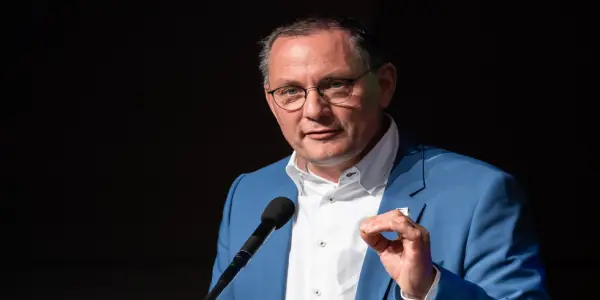
AfD Leader Raises Concerns Over Potential Threats...

New Advocacy Report Urges Action Against Child...
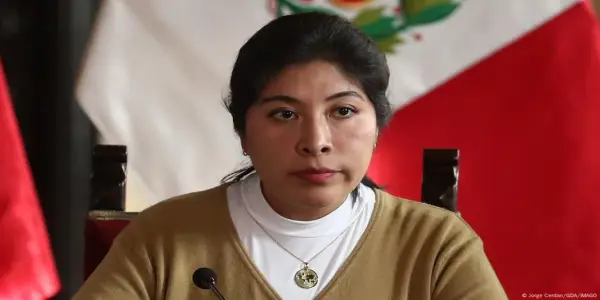
Peru Sever Diplomatic Relations with Mexico Amid...
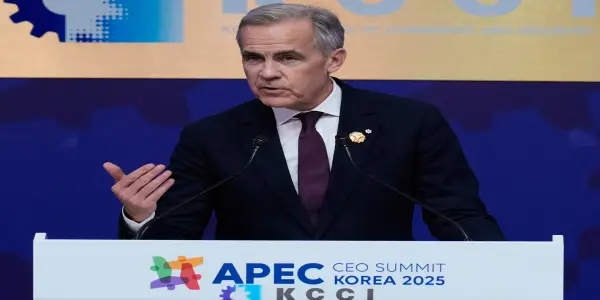
Canada and China Take Steps Toward Repairing...

Isaac Asimov's Perspective on Star Trek: A Sci-Fi...
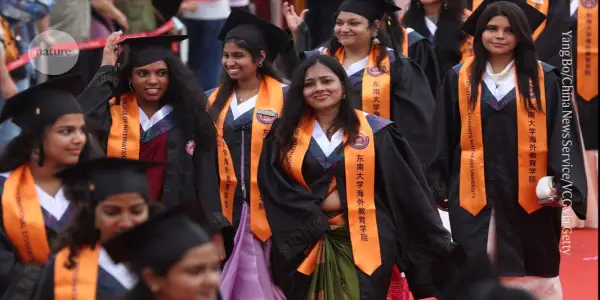
China's Shift to a Cautious Research Strategy...
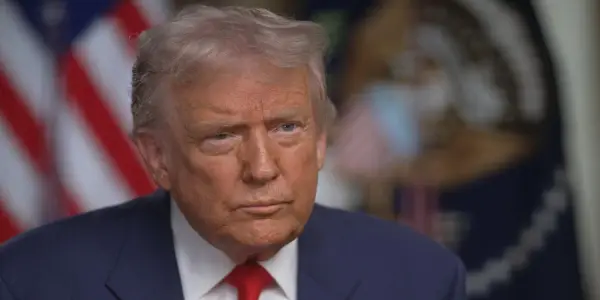
Trump Addresses Nuclear Testing, Government...
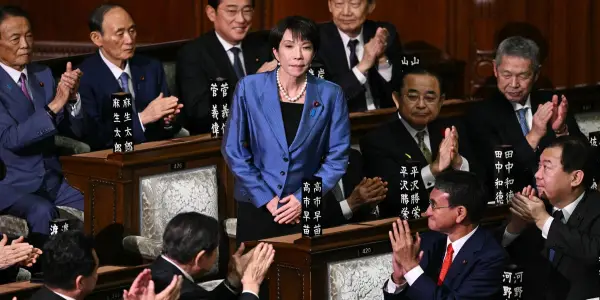
Japan Reacts Strongly to China's Travel Advisory...
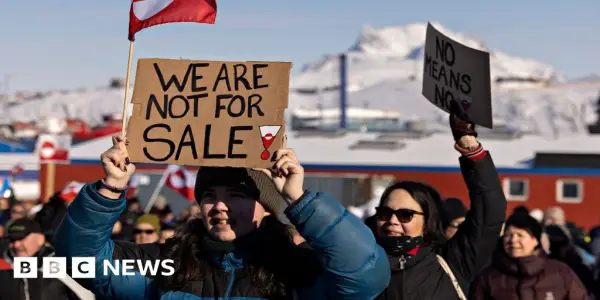
European Allies Stand Firm with Denmark Amid U.S....
Political Reactions to BBC Leadership Changes...
Bangladesh's Upcoming Election: Key Political...
Exiled Russian Orthodox Leader Responds to Spying...
Contradictory Signals from Trump and Rubio on...
Tarique Rahman's Homecoming: A Potential Turning...

Apple Achieves Unprecedented Financial Success in...
Sias University Adapts to Modern Educational...
Germany Resumes Arms Exports to Israel Amid...
The Role of Palestinian Statehood in Advancing...
Nevada's Governor's Office Allegedly Intervened...
Mamdani Emerges Victorious in NYC Mayoral Race...