The Role of Palestinian Statehood in Advancing Arab-Israeli Relations and the Abraham Accords
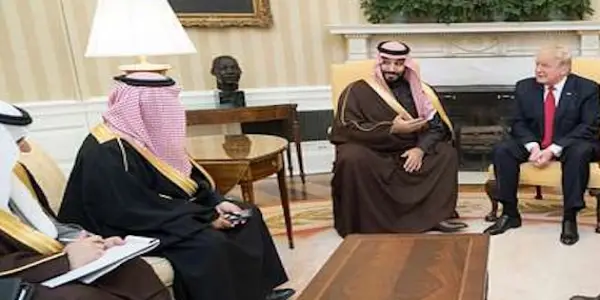
By Simon Mabon, Lancaster University (The Conversation) - Saudi Crown Prince Mohammed bin Salman is advocating for the inclusion of Saudi Arabia in the Abraham Accords, a series of agreements aimed at normalizing relations between Israel and several Arab nations.
In-depth analysis
Background context
The Abraham Accords, initiated during Donald Trump's presidency, aimed to normalize relations between Israel and several Arab nations, including the UAE and Bahrain. These agreements marked a historic shift in Middle Eastern diplomacy, representing the first formal recognition of Israel by Arab states since Jordan's 1994 peace treaty, amidst a complex regional landscape.
Key political implications
Crown Prince Mohammed bin Salman's push for Saudi integration into the Abraham Accords highlights the growing importance of the Palestinian issue in regional politics, potentially reshaping alliances and diplomatic strategies in the Middle East.
Who gains / who loses
If Saudi Arabia successfully normalizes relations with Israel, it could enhance its geopolitical standing and economic ties, benefiting both nations. Conversely, failure to address Palestinian statehood may alienate Saudi leadership from its populace and diminish regional credibility.
Possible future scenarios
The future of the Abraham Accords may hinge on the Israeli government's response to Palestinian aspirations. Continued hardline policies could stifle normalization efforts, while a shift towards dialogue might open new avenues for cooperation.
Did you know?
Why you should know this
The potential normalization of relations between Saudi Arabia and Israel could reshape Middle Eastern geopolitics, affecting global oil prices and security dynamics. For everyday people, this means fluctuations in fuel costs and a direct impact on international relations that can influence local economies and immigration policies, as tensions and alliances shift in the region.
Behind the political curtain
Despite the public focus on political diplomacy, a lesser-known aspect is that Saudi Arabia has historically maintained a significant influence over Palestinian factions, making its position on Israel particularly complex. This influence complicates Bin Salman’s normalization efforts, as many Palestinians view Saudi leadership as key to their cause.
Ordinary person in an extraordinary situation
Fatima Al-Hassan, a 32-year-old teacher in Riyadh, embodies the emotional weight of these geopolitical shifts. She often discusses with her students the importance of peace and understanding, yet feels torn. Her family has historical ties to Palestine, and the ongoing conflict deeply resonates with her. The possibility of normalization fills her with hope for a future where her students might one day visit Jerusalem freely, but also fear that it could come at the expense of Palestinian aspirations. The complexity of these political moves weighs heavily on her community, as many share her dreams for peace but are also wary of compromises that may neglect justice for the Palestinian people.

Sias University Adapts to Modern Educational...
The Role of Palestinian Statehood in Advancing...
Switzerland Faces Economic Challenges Amid U.S....

Saudi Crown Prince Mohammed bin Salman Set for...

New Advocacy Report Urges Action Against Child...
Japan Reacts Strongly to China's Travel Advisory...
New Yorkers Kick Off Early Voting for Mayoral...
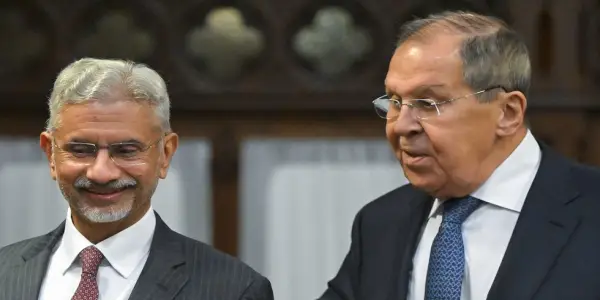
Russian and Indian Foreign Ministers Convene...
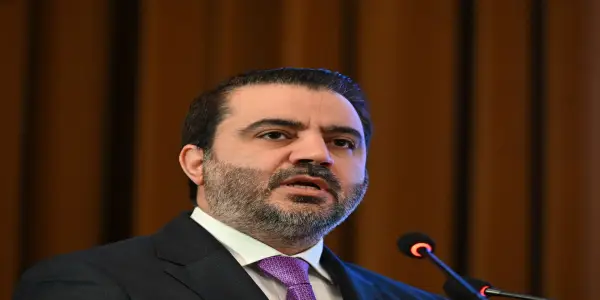
Syria's Foreign Minister Visits China to...

Jetpack Navigation 3 Achieves Stability for...

The 1969 Sino-Soviet Border Conflict: A Near Miss...

Kenya Urges Protection for Citizens Amid...

Baden Bower Reduces Pitch-to-Publish Timeline by...
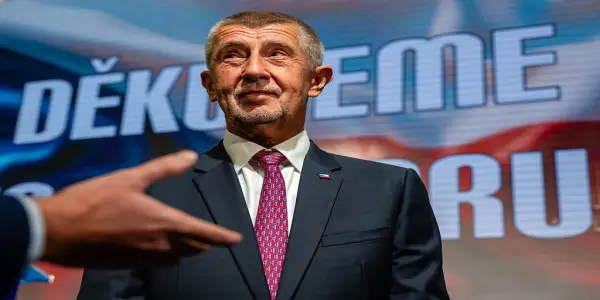
Czech President Appoints Billionaire Former Prime...

Javier Milei's Victory Signals a Shift in...
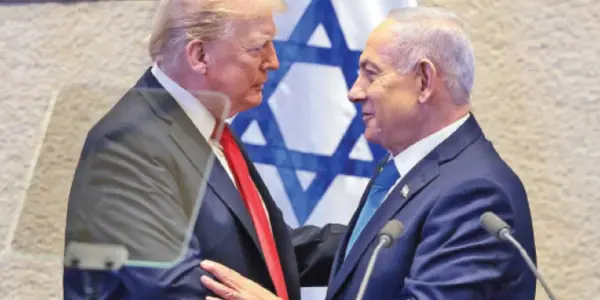
Is the U.S. Reassessing Its Stance on Israel...
Mamdani's Victory: A Turning Point for the...

Denmark's Prime Minister Advocates for Stricter...

Geopolitical Tensions Surround Palau Amid...

Mamdani Emerges Victorious in NYC Mayoral Race...

Cuban Authorities Engage in Deadly Clash with...

Bangladesh's Upcoming Election: Key Political...
Tarique Rahman's Homecoming: A Potential Turning...
Examining Trump's Claims of Resolving Conflicts:...

Comet 3I/ATLAS Continues to Mystify Scientists...

NASA Unveils Stunning Images of Interstellar...

Challenges Faced by Costumes in 'Mighty Morphin...
New England Senators Play Crucial Role in...

Nevada's Governor's Office Allegedly Intervened...

Miss Universe Cayman Islands Advocates for Global...
Khamenei Assassination: A Pivotal Shift in...

Algeria Grants Pardon to Jailed Novelist Boualem...

Political Reactions to BBC Leadership Changes...
Sanae Takaichi: Japan's First Female Prime...
Key Insights from Trump's National Security...

WWE Raw Recap: Titles Change Hands in Thrilling...

Limited Expectations as Trump and Xi Approach...
Germany Resumes Arms Exports to Israel Amid...
Canada and China Take Steps Toward Repairing...
Canada's Carney to Meet Xi in China, Signaling a...