Examining Viktor Orban's Foreign Policy Stance Amid EU Tensions
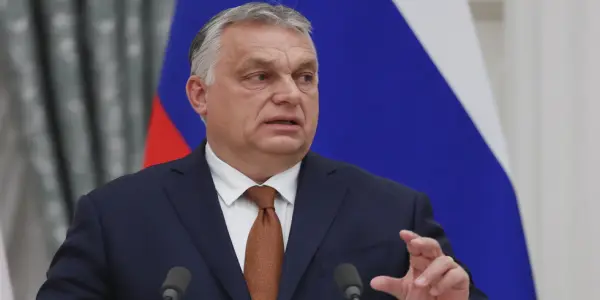
Viktor Orban's approach to foreign policy reflects Hungary's historical quest for sovereignty and pragmatic diplomacy despite EU pressures.
In-depth analysis
Background context
Hungary's historical struggle for sovereignty, particularly after the Treaty of Trianon in 1920, has profoundly influenced its current political landscape. This legacy of territorial loss has fostered a national sentiment that prioritizes self-determination and cautious foreign relations, particularly with influential powers like Russia, shaping the government's diplomatic strategies.
Key political implications
Orban's foreign policy decisions could redefine Hungary's role within the EU, challenging the bloc's collective stance on Russia and migration. This may lead to increased tensions between Budapest and Brussels.
Who gains / who loses
Orban's pragmatic approach may benefit Hungary's energy security and foster stronger ties with Russia, appealing to nationalist sentiments. Conversely, this stance risks alienating EU partners and could provoke sanctions or diplomatic isolation.
Possible future scenarios
As Hungary approaches elections, Orban's foreign policy may either solidify support among nationalists or provoke backlash from pro-EU factions. The outcome could significantly alter Hungary's geopolitical alignments and diplomatic strategies.
Did you know?
Why you should know this
Viktor Orban's foreign policy choices directly impact everyday life in Hungary, especially concerning energy prices and migration. As the nation grapples with rising energy costs and fluctuating EU policies, understanding these dynamics helps citizens make informed decisions about their futures. The balance between national sovereignty and international relations shapes economic stability and social cohesion.
Behind the political curtain
A lesser-known fact about Hungary's foreign policy is that, despite being a member of the EU, Hungary has historically maintained one of the most robust energy ties with Russia among EU nations. This dependency significantly influences Orban's diplomatic approach and complicates Hungary's alignment with EU sanctions.
Ordinary person in an extraordinary situation
Meet Anna, a 35-year-old single mother from Budapest. With rising energy costs and political tensions affecting her daily life, Anna feels the weight of Orban's foreign policy decisions. Every month, she juggles bills, worrying about how sanctions on Russia could spike her energy prices further. Anna often reflects on her family's history, recalling stories from her grandmother about Hungary's struggles for independence. This connection fuels her desire for a stable future for her children. As the upcoming elections approach, Anna plans to cast her vote not just for policy changes but for a vision of Hungary that prioritizes its citizens' needs while navigating complex international waters.
Expert Commentary
Mark Carney Discusses Political Transition During...
Sanae Takaichi Poised to Become Japan's First...

Japan and Finland in Diplomatic Tension Following...

Reddit Enhances App Performance with R8...
Six Finalists Announced for the 2026...
Canada Decides Against Public Disclosure of Nazi...
Analyzing Trump's Latin America Strategy Amid...
Trump Addresses Nuclear Testing, Government...
Russian and Indian Foreign Ministers Convene...
Cuban Authorities Engage in Deadly Clash with...
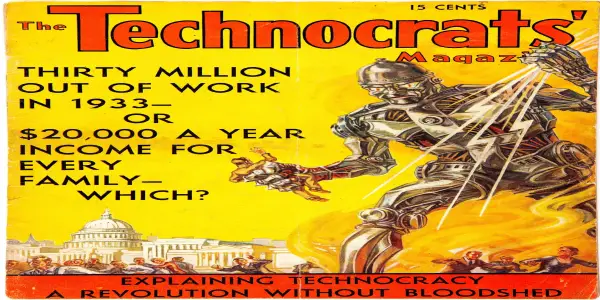
The Rise of Technocracy in Modern Governance

The Evolving Landscape of Copyright Enforcement...

Misjudgments in Military Strategy: The Lessons...
Democrats Celebrate Recent Wins Amidst Internal...
U.S. Extends Sanctions Relief as Syrian Leader...
Canada and China Take Steps Toward Repairing...
Colombia's ELN Rebels Intensify Military Drills...
Zohran Mamdani Secures Victory in New York City...
Javier Milei's Victory Signals a Shift in...

WWE Raw Recap: Titles Change Hands in Thrilling...
Khamenei Assassination: A Pivotal Shift in...

Exploring Intimacy and Isolation in Claire-Louise...
Indian Trade Unions Rally Against New Labour...
Mamdani Emerges Victorious in NYC Mayoral Race...
Key Insights from Trump's National Security...
Jim Avila, Esteemed ABC News Correspondent, Dies...
Tarique Rahman's Homecoming: A Potential Turning...
European Automakers Face New Chip Shortage as...
Political Reactions to BBC Leadership Changes...
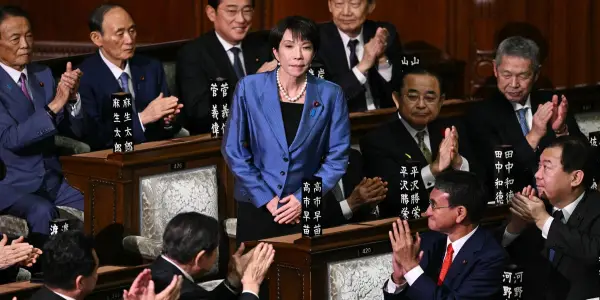
Japan Reacts Strongly to China's Travel Advisory...
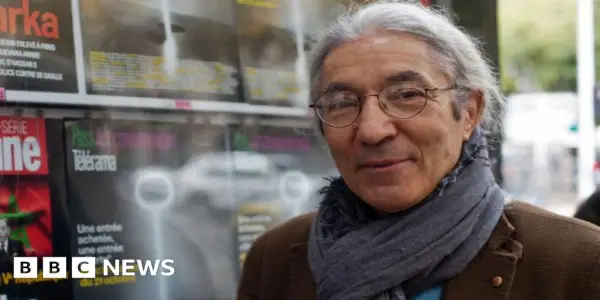
Algeria Grants Pardon to Jailed Novelist Boualem...
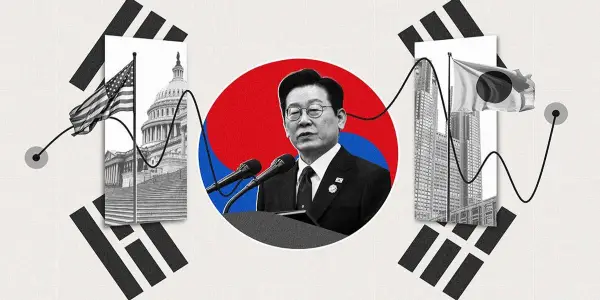
South Korea Rebuilds Trust and Reassesses Foreign...

Saudi Crown Prince Mohammed bin Salman Set for...
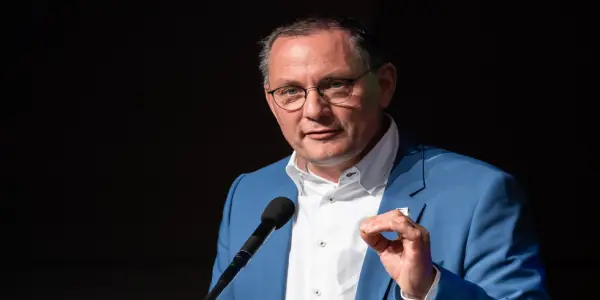
AfD Leader Raises Concerns Over Potential Threats...

Spain's Attorney General Convicted in...
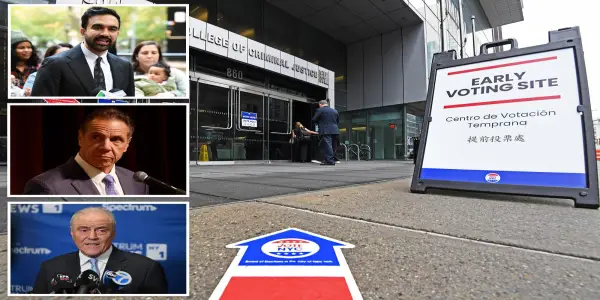
New Yorkers Kick Off Early Voting for Mayoral...
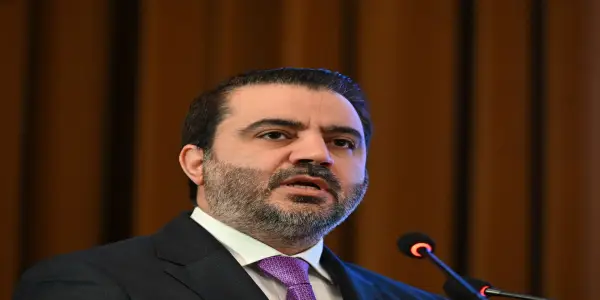
Syria's Foreign Minister Visits China to...
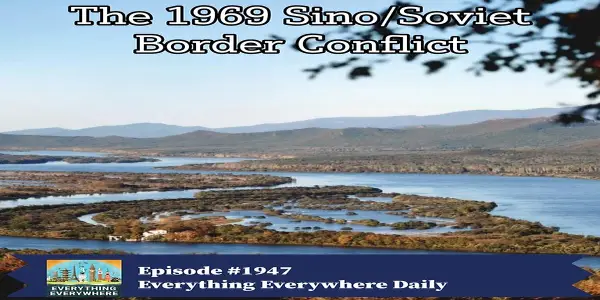
The 1969 Sino-Soviet Border Conflict: A Near Miss...
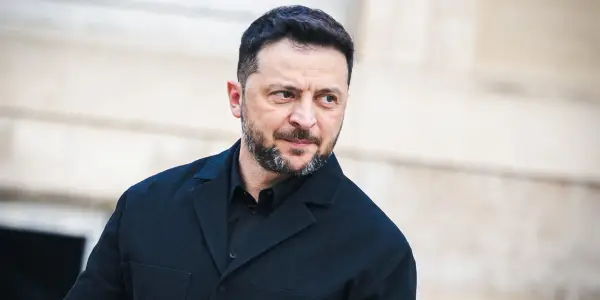
U.S. Lawmakers Express Concerns Over Trump...