Western Nations Urge Israel to Halt Settlement Expansion Amid Rising Tensions
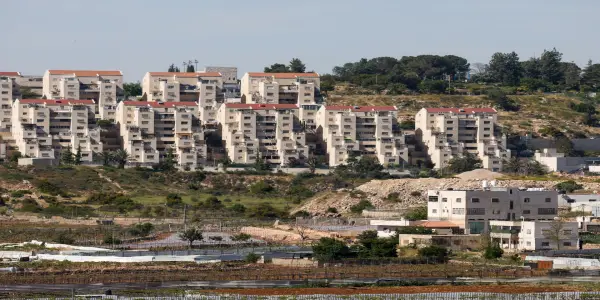
Nine countries, including the UK and Germany, call for an end to Israeli settlements in the West Bank, citing breaches of international law.
In-depth analysis
Background context
Nine Western nations have united in a diplomatic effort to address Israel's settlement expansion in the occupied West Bank, which they argue violates international law. This collective statement highlights escalating violence and increased Israeli control, raising alarms about the potential collapse of the two-state solution amidst ongoing tensions and recent controversial land designations.
Key political implications
The joint statement signals a significant shift in Western diplomatic posture towards Israel, emphasizing accountability and adherence to international law. This could strain Israel's relations with these nations and complicate future negotiations regarding peace and security in the region.
Who gains / who loses
Palestinians may gain international support and pressure on Israel to halt settlement expansion, potentially revitalizing discussions around a two-state solution. Conversely, Israel risks further isolation and backlash from Western allies, which could impact its strategic interests and domestic policies.
Possible future scenarios
If Israel continues its settlement policies, it may face increased diplomatic isolation and economic repercussions from Western nations. Conversely, a shift towards negotiations could open pathways for renewed dialogue, potentially stabilizing the region and restoring some level of cooperation.
Did you know?
Why you should know this
The joint call from nine Western nations to halt Israeli settlement expansion in the West Bank is more than a political statement; it directly impacts the lives of millions. As tensions rise and violence escalates, the possibility of a peaceful resolution diminishes. Understanding these developments can help citizens grasp how international diplomacy shapes everyday realities for both Israelis and Palestinians, influencing stability and security in their communities.
Behind the political curtain
Interestingly, despite widespread condemnation, over 600,000 Israelis live in settlements considered illegal under international law in the West Bank. This figure highlights the complexity of the Israeli-Palestinian conflict and the challenges faced by international efforts to resolve it, as these settlements complicate the feasibility of a two-state solution.
Ordinary person in an extraordinary situation
Take the story of Amina Khalil, a 34-year-old mother of three living in East Jerusalem. As violence escalates and settlement expansions continue, Amina worries about her children's future. She recalls a recent evening when settlers clashed with Palestinians nearby, leaving her family terrified. With each day, she watches the walls surrounding her community grow higher and closer, trapping them in a cycle of fear and uncertainty. Amina dreams of a peaceful coexistence, yet feels powerless as geopolitical decisions dictate her family's fate. Her story reflects the lived realities of many Palestinians, caught between the aspirations for peace and the harshness of daily life under occupation.
Expert Commentary
The Legacy of French Colonialism: Language and...
Mamdani's Victory: A Turning Point for the...

Cuban Authorities Engage in Deadly Clash with...

Canada Decides Against Public Disclosure of Nazi...

Italy's PM Meloni Responds Firmly to Trump's...

Ireland Moves Forward with Bill Targeting Israeli...

Isaac Asimov's Perspective on Star Trek: A Sci-Fi...

US Tariffs Impact Nuevo Leon's Steel Sector,...

US-South Korea Agreement to Develop...

Algeria Grants Pardon to Jailed Novelist Boualem...

Spain's Attorney General Convicted in...
South Korea Initiates First Military Talks with...

Challenges Faced by Costumes in 'Mighty Morphin...

The Evolving Landscape of Copyright Enforcement...

Hungarian Prime Minister Viktor Orban Engages...
Egypt Affirms Commercial Nature of Gas Agreement...
Russian and Indian Foreign Ministers Convene...

Misjudgments in Military Strategy: The Lessons...
Jim Avila, Esteemed ABC News Correspondent, Dies...
Italy's Meloni Engages with Qatar Emir on Energy...

Reddit Enhances App Performance with R8...

WWE Raw Recap: Titles Change Hands in Thrilling...

U.S. Lawmakers Express Concerns Over Trump...

Trump Appoints Special Envoy to Greenland,...

Peru Sever Diplomatic Relations with Mexico Amid...

Revitalizing Relations: The Future of the...

UK Finalizes £8 Billion Typhoon Fighter Jet...

The 1969 Sino-Soviet Border Conflict: A Near Miss...

Exploring Intimacy and Isolation in Claire-Louise...

South Korea Rebuilds Trust and Reassesses Foreign...
European Allies Stand Firm with Denmark Amid U.S....

Trump Addresses Nuclear Testing, Government...

Colombia's ELN Rebels Intensify Military Drills...

Saudi Crown Prince's Invitation to the White...
Is the U.S. Reassessing Its Stance on Israel...

Apple Achieves Unprecedented Financial Success in...
Geopolitical Tensions Surround Palau Amid...

Switzerland Faces Economic Challenges Amid U.S....

Sias University Adapts to Modern Educational...

The Fate of the Maquis in Star Trek: A Missed...