Florida Governor Declares CAIR a Foreign Terrorist Organization
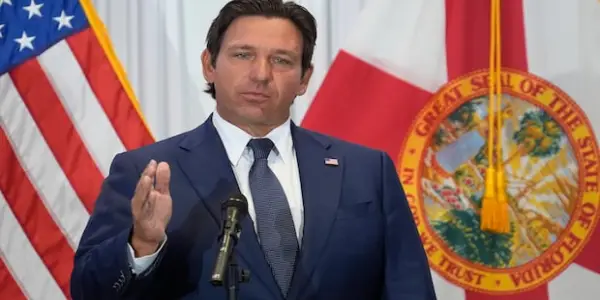
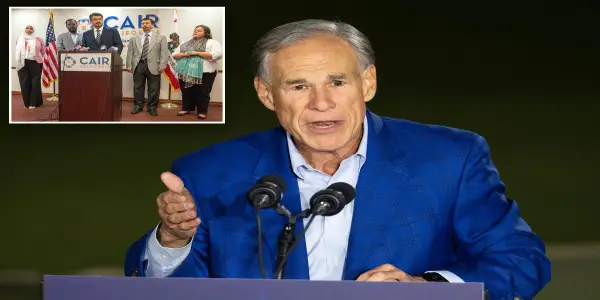
In a controversial move, Florida Governor Ron DeSantis has officially classified the Council on American-Islamic Relations (CAIR) as a 'foreign terrorist organization,' following a similar designation by Texas in the previous month.
In-depth analysis
Background context
The designation of the Council on American-Islamic Relations (CAIR) as a 'foreign terrorist organization' by Florida Governor Ron DeSantis marks a significant escalation in the treatment of Muslim civil rights organizations. This follows a similar move by Texas Governor Greg Abbott, reflecting a growing trend among state administrations to scrutinize and limit the activities of such groups.
Key political implications
This designation could galvanize support among certain voter bases while alienating others, potentially reshaping the political landscape in Florida and beyond as civil rights issues intersect with national security debates.
Who gains / who loses
Supporters of the designation, including some political factions, may gain momentum by appealing to specific voter concerns about national security. Conversely, CAIR and similar organizations face significant setbacks, risking funding and operational capabilities, while the broader Muslim community may experience increased marginalization.
Possible future scenarios
If legal challenges to the designation succeed, CAIR could regain its standing and influence. Conversely, if these actions are upheld, it may embolden other states to adopt similar measures, further complicating the civil rights landscape for Muslim Americans.
Did you know?
Why you should know this
The decision by Florida’s Governor DeSantis to label CAIR as a 'foreign terrorist organization' impacts not only the organization but also the rights of American Muslims. This move may restrict advocacy efforts and funding for community services, influencing daily life for many who rely on these resources. Understanding these developments is crucial as they hint at a broader pattern of discrimination and civil rights erosion in the U.S.
Behind the political curtain
Despite being a significant public figure, Governor DeSantis has faced criticism for aligning with far-right groups that have previously targeted civil rights organizations. This political maneuvering suggests a strategic effort to rally support from specific voter bases, even if it risks alienating broader communities within Florida.
Ordinary person in an extraordinary situation
Meet Fatima Noor, a 32-year-old community organizer in Orlando. She has dedicated her career to advocating for the rights of Muslim families facing discrimination. When she learned about DeSantis's designation of CAIR, she felt a wave of despair. For Fatima, CAIR has been a lifeline, providing crucial resources and a platform for her community. This designation not only threatens the organization but also instills fear in those who rely on it for advocacy. The chilling effect of such political moves extends beyond legal implications; it fosters an environment where individuals like Fatima may hesitate to speak out for fear of retribution. She worries that this could silence voices that are essential for promoting understanding and tolerance. Fatima's experience underscores the human cost of political decisions that seem distant from the everyday lives they ultimately affect.
Kenya Urges Protection for Citizens Amid...

Mark Carney Discusses Political Transition During...

New Advocacy Report Urges Action Against Child...
Algeria Grants Pardon to Jailed Novelist Boualem...

Contradictory Signals from Trump and Rubio on...

South Korea Rebuilds Trust and Reassesses Foreign...

The Fate of the Maquis in Star Trek: A Missed...
Jim Avila, Esteemed ABC News Correspondent, Dies...

UK Finalizes £8 Billion Typhoon Fighter Jet...

Canada Decides Against Public Disclosure of Nazi...
Switzerland Faces Economic Challenges Amid U.S....
Egypt Affirms Commercial Nature of Gas Agreement...
US Tariffs Impact Nuevo Leon's Steel Sector,...

Challenges Faced by Costumes in 'Mighty Morphin...

Sias University Adapts to Modern Educational...

Indian Trade Unions Rally Against New Labour...
Canada's Carney to Meet Xi in China, Signaling a...

AfD Leader Raises Concerns Over Potential Threats...

Japan and Finland in Diplomatic Tension Following...
Italy's Meloni Engages with Qatar Emir on Energy...


Germany Resumes Arms Exports to Israel Amid...
Jared Isaacman Renominated as NASA Administrator...
U.S. Authorities Detain British Journalist Linked...
Examining Trump's Claims of Resolving Conflicts:...
Japan Reacts Strongly to China's Travel Advisory...
Sanae Takaichi: Japan's First Female Prime...

European Allies Stand Firm with Denmark Amid U.S....

Exiled Russian Orthodox Leader Responds to Spying...
Texas Governor Abbott Designates CAIR as a...

Golden Snub-Nosed Monkeys Make European Debut in...

Geopolitical Tensions Surround Palau Amid...

EA Raises Concerns Over Sale to Saudi Arabia's...

Political Reactions to BBC Leadership Changes...
Hungarian Prime Minister Viktor Orban Engages...
New England Senators Play Crucial Role in...
Italy's PM Meloni Responds Firmly to Trump's...

Bangladesh's Upcoming Election: Key Political...

Revitalizing Relations: The Future of the...
Saudi Crown Prince's Invitation to the White...