The Economic Imperative of Climate Action: Lessons from the Stern Review
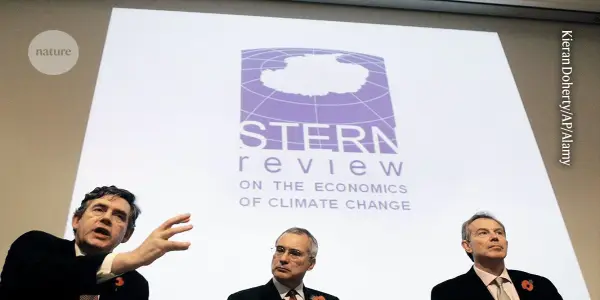
Nicholas Stern's seminal review warns that climate inaction could incur staggering economic costs, as political will wanes in high-income nations.
In-depth analysis
Background context
The Stern Review, published in 2006, marked a pivotal moment in climate discourse, linking economic stability with environmental action. Commissioned by the UK government, it highlighted the potential economic fallout from climate inaction, urging global leaders to prioritize sustainable practices. Its findings coincided with growing international awareness and commitment to combating climate change.
Key political implications
The release of Stern's follow-up report underscores a troubling shift in political will, as high-income countries begin to retreat from prior climate commitments, potentially undermining global climate agreements.
Who gains / who loses
Countries and businesses that invest in climate resilience and sustainable practices stand to benefit economically and socially, while those that resist such investments may face escalating costs and economic instability in the future.
Possible future scenarios
If current trends continue, the gap between climate action and inaction may widen, leading to severe economic repercussions. Conversely, a renewed commitment to sustainable policies could foster innovation and economic growth.
Did you know?
Why you should know this
Understanding the implications of the Stern Review is crucial as it provides a framework for assessing today's climate actions and their economic consequences. With many countries reconsidering their commitments, the potential for economic loss looms large. Individuals can relate this to their own lives, as shifts in climate policy impact everything from job security in green industries to rising costs of living driven by environmental neglect.
Behind the political curtain
An interesting aspect of the Stern Review is that it was initially met with skepticism from some economists, who argued that its low discount rate might misrepresent future costs. This debate highlights the complexities of economic modeling in climate policy, where assumptions can significantly influence outcomes and perceptions.
Ordinary person in an extraordinary situation
Meet Clara, a small business owner in Bristol who sells eco-friendly products. The rising costs of raw materials linked to climate change have forced her to raise prices, frustrating her loyal customers. Clara is caught in a paradox: she wants to support climate action but fears losing clientele to cheaper, less sustainable alternatives. As government commitments falter, Clara feels the direct impact of these choices on her livelihood. Her story underscores the personal stakes involved in global policy decisions, as the outcomes of climate debates ripple out to affect everyday lives, jobs, and the very fabric of local economies. Clara's experience emphasizes the need for a unified approach to climate action that prioritizes both environmental sustainability and economic viability.
Expert Commentary

Trump Appoints Special Envoy to Greenland,...

Misjudgments in Military Strategy: The Lessons...

Mamdani's Victory: A Turning Point for the...
Russian and Indian Foreign Ministers Convene...
The Role of Palestinian Statehood in Advancing...
Tarique Rahman's Homecoming: A Potential Turning...

New Yorkers Kick Off Early Voting for Mayoral...

Saudi Crown Prince's Invitation to the White...

Canada Decides Against Public Disclosure of Nazi...

EA Raises Concerns Over Sale to Saudi Arabia's...
U.S. Extends Sanctions Relief as Syrian Leader...

Challenges Faced by Costumes in 'Mighty Morphin...


Lessons from Ulysses S. Grant on Civil-Military...

The Rise of Technocracy in Modern Governance

Peru Sever Diplomatic Relations with Mexico Amid...
Hungarian Prime Minister Viktor Orban Engages...

NASA Unveils Stunning Images of Interstellar...

US Tariffs Impact Nuevo Leon's Steel Sector,...

Isaac Asimov's Perspective on Star Trek: A Sci-Fi...
South Africa's G20 Presidency: A Mixed Legacy of...

Germany Resumes Arms Exports to Israel Amid...

Egypt Affirms Commercial Nature of Gas Agreement...
Texas Governor Abbott Designates CAIR as a...

Algeria Grants Pardon to Jailed Novelist Boualem...

Apple Achieves Unprecedented Financial Success in...

Revitalizing Relations: The Future of the...

Jared Isaacman Renominated as NASA Administrator...
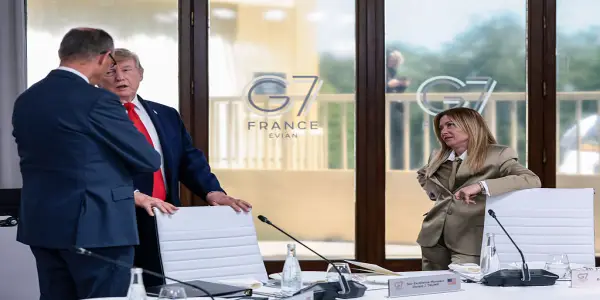
Italy's PM Meloni Responds Firmly to Trump's...
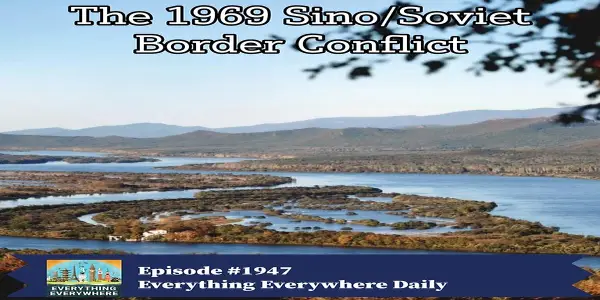
The 1969 Sino-Soviet Border Conflict: A Near Miss...

Japan and Finland in Diplomatic Tension Following...

AfD Leader Raises Concerns Over Potential Threats...

The Evolving Landscape of Copyright Enforcement...

Javier Milei's Victory Signals a Shift in...

Japan Protests China's Travel Advisory Amid...

US-South Korea Agreement to Develop...

Is the U.S. Reassessing Its Stance on Israel...
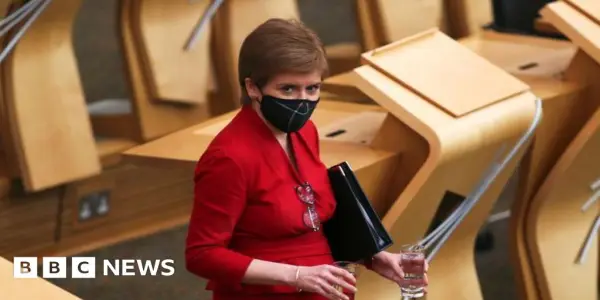
Inquiry Critiques Scottish Government's Covid-19...
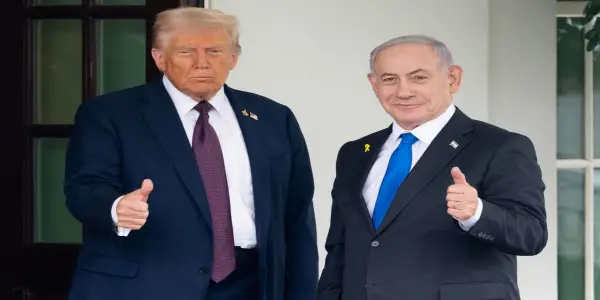
Examining Trump's Claims of Resolving Conflicts:...
Indian Trade Unions Rally Against New Labour...