Italy's PM Meloni Responds Firmly to Trump's Remarks on Military Relations
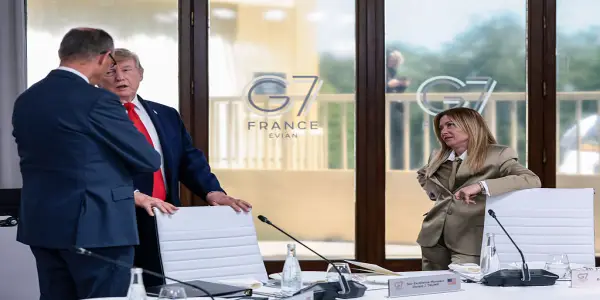
Italian PM Giorgia Meloni defends her sovereignty and national interests amid escalating tensions with former President Trump over military cooperation.
In-depth analysis
Background context
The recent exchange between Italian Prime Minister Giorgia Meloni and former U.S. President Donald Trump highlights a significant diplomatic rift. Initiated by Trump's critique of Meloni's leadership and Italy's military relationship with the U.S., the dispute reflects deeper concerns over national sovereignty and military cooperation, particularly in the context of ongoing geopolitical tensions.
Key political implications
This confrontation underscores potential shifts in U.S.-Italy relations, signaling a possible reevaluation of military cooperation and diplomatic strategies. It also highlights the challenges faced by leaders balancing national interests with international alliances.
Who gains / who loses
Meloni's firm stance may strengthen her domestic support by appealing to nationalist sentiments, positioning her as a defender of Italy's sovereignty. Conversely, Trump risks alienating European allies, potentially undermining U.S. influence in NATO and transatlantic relations.
Possible future scenarios
As tensions evolve, Italy may reassess its military alignment with the U.S., impacting NATO dynamics. Alternatively, if diplomatic efforts succeed, it could lead to renewed cooperation amid shared security concerns in Europe.
Did you know?
Why you should know this
This exchange between Meloni and Trump highlights the fragile balance between national sovereignty and international alliances, particularly in military matters. As Italy navigates its relationship with the U.S., citizens may feel the effects in areas like defense spending and diplomatic policies. Understanding these dynamics can provide insight into how global events shape everyday life in Italy, potentially impacting jobs, security, and international travel.
Behind the political curtain
Interestingly, Italy has been a key player in NATO since its inception in 1949, hosting multiple U.S. military bases. This long-standing relationship means that disputes like this one are more than mere political banter; they could have significant implications for military readiness and strategic positioning in Europe.
Ordinary person in an extraordinary situation
Consider Francesca, a small business owner in Rome who relies on international tourism for her livelihood. As the political tensions between Meloni and Trump unfold, she worries how shifts in U.S.-Italy relations might affect travel from the States. Francesca has built her business on welcoming American tourists, and any perception of instability could deter visitors. For her, this isn’t just a political spat; it’s about her ability to keep her doors open and provide for her family. The emotional weight of geopolitics can often feel distant until it strikes at the heart of everyday life.
Expert Commentary

Spain's Attorney General Convicted in...
Political Reactions to BBC Leadership Changes...
Examining Trump's Claims of Resolving Conflicts:...
Russian and Indian Foreign Ministers Convene...
The Legacy of French Colonialism: Language and...
Hungarian Prime Minister Viktor Orban Engages...

The Fate of the Maquis in Star Trek: A Missed...
Bangladesh Seeks India's Assistance in...
Exiled Russian Orthodox Leader Responds to Spying...
Six Finalists Announced for the 2026...
Saudi Crown Prince's Invitation to the White...
The 1969 Sino-Soviet Border Conflict: A Near Miss...
Inquiry Critiques Scottish Government's Covid-19...
Saudi Crown Prince Mohammed bin Salman Set for...

Algeria Grants Pardon to Jailed Novelist Boualem...

Isaac Asimov's Perspective on Star Trek: A Sci-Fi...
South Korea Initiates First Military Talks with...

Sias University Adapts to Modern Educational...
Japan and Finland in Diplomatic Tension Following...

Nevada's Governor's Office Allegedly Intervened...
Tarique Rahman's Homecoming: A Potential Turning...

China's Shift to a Cautious Research Strategy...
German Chancellor Merz to Visit Israel for Key...

NASA Unveils Stunning Images of Interstellar...
Texas Governor Abbott Designates CAIR as a...
Syria's Foreign Minister Visits China to...

The Evolving Landscape of Copyright Enforcement...

EA Raises Concerns Over Sale to Saudi Arabia's...
Democrats Celebrate Recent Wins Amidst Internal...
U.S. Embassies Redefine Human Rights:...

Geopolitical Tensions Surround Palau Amid...

Japan Protests China's Travel Advisory Amid...
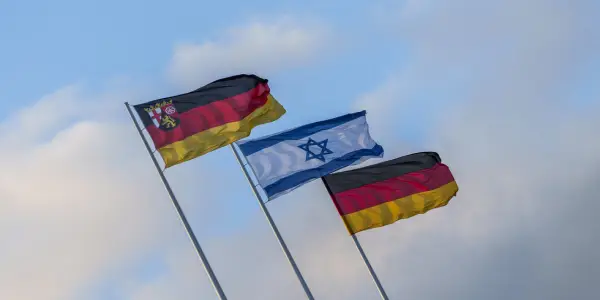
Germany Resumes Arms Exports to Israel Amid...

Bhutan's Complex Relationship with India: A...

Challenges Faced by Costumes in 'Mighty Morphin...
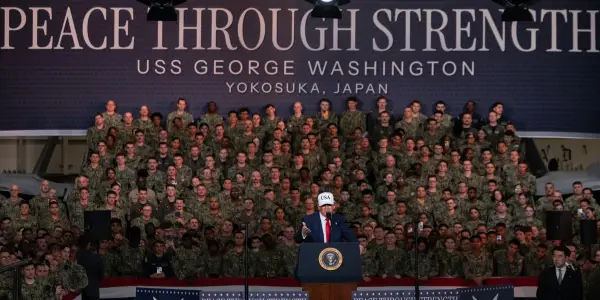
Key Insights from Trump's National Security...
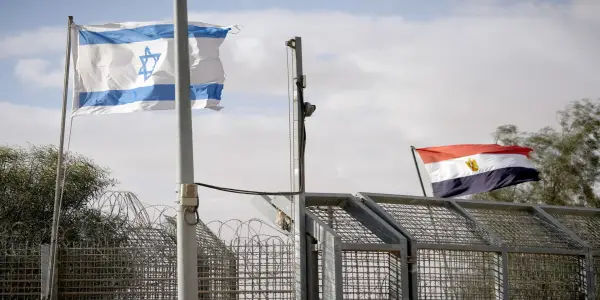
Egypt Affirms Commercial Nature of Gas Agreement...
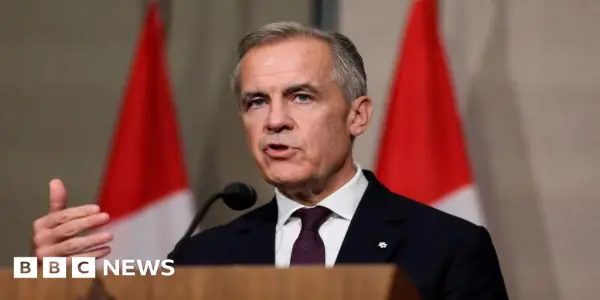
Canada's Carney to Meet Xi in China, Signaling a...

Misjudgments in Military Strategy: The Lessons...
Zohran Mamdani's Vision for Global Municipal...