Khalil al-Hayya Takes Helm as Hamas's New Political Leader Amid Ongoing Conflict
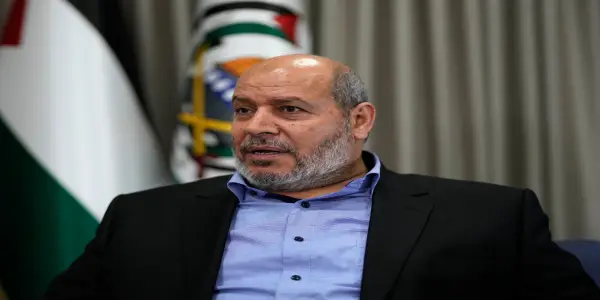
Khalil al-Hayya is elected as Hamas's political leader, succeeding Yahya Sinwar following significant turmoil and violence in Gaza.
In-depth analysis
Background context
The appointment of Khalil al-Hayya as Hamas's new political chief follows the death of Yahya Sinwar, reflecting significant leadership changes amid ongoing conflict. Al-Hayya's election occurs during a turbulent wartime process, emphasizing the volatility within the organization and the broader regional landscape shaped by continuous violence and high-profile assassinations.
Key political implications
Al-Hayya's election signals Hamas's commitment to institutional governance, suggesting a structured approach to leadership despite ongoing military operations. This may influence the group's strategic direction and its interactions with both Palestinian factions and international stakeholders.
Who gains / who loses
Khalil al-Hayya's rise to leadership may strengthen Hamas's internal cohesion, appealing to various factions within the organization. Conversely, his election could exacerbate tensions with Israel and other regional actors, potentially leading to increased isolation or conflict for the group.
Possible future scenarios
Under al-Hayya's leadership, Hamas may pursue a dual strategy of governance and military engagement, impacting regional dynamics. Alternatively, internal dissent could arise if his policies do not align with the expectations of various factions within the organization.
Did you know?
Why you should know this
The appointment of Khalil al-Hayya as Hamas's new political chief could reshape the landscape of the Israeli-Palestinian conflict. His leadership may influence future negotiations, ceasefires, and even the daily lives of millions in Gaza and the West Bank. Understanding this shift provides insight into the complex power dynamics that affect regional stability and humanitarian conditions.
Behind the political curtain
Hamas's electoral process is notably unique, requiring representation from its major geographical sectors, ensuring that leaders like al-Hayya reflect the diverse voices within Palestinian society. This internal structure plays a crucial role in their decision-making processes and strategic responses.
Ordinary person in an extraordinary situation
Consider Fatima, a 38-year-old mother of three living in Gaza City. As news broke of Khalil al-Hayya's election, she felt a mix of apprehension and cautious hope. Having lost her husband to the ongoing conflict, her family's future hangs in the balance. Fatima recalls the days when her husband would discuss politics with their children, instilling a sense of resilience in them. Now, she grapples with the impact of leadership changes, wondering if al-Hayya's approach will lead to peace or further violence. For families like hers, every political shift is not just a headline; it's a potential turning point that can either bring much-needed relief or exacerbate their suffering.
Expert Commentary

Spain's Attorney General Convicted in...
US Tariffs Impact Nuevo Leon's Steel Sector,...
The Role of Palestinian Statehood in Advancing...
Kenya Urges Protection for Citizens Amid...
Bangladesh's International Crimes Tribunal...
Cuba Rejects U.S. Security Threat Claims Amid...

EA Raises Concerns Over Sale to Saudi Arabia's...
Texas Governor Abbott Designates CAIR as a...

Japan Protests China's Travel Advisory Amid...

The Fate of the Maquis in Star Trek: A Missed...
The Legacy of French Colonialism: Language and...

Reddit Enhances App Performance with R8...

Zohran Mamdani's Vision for Global Municipal...
Switzerland Faces Economic Challenges Amid U.S....

Isaac Asimov's Perspective on Star Trek: A Sci-Fi...

NASA Unveils Stunning Images of Interstellar...
Tarique Rahman's Homecoming: A Potential Turning...
New England Senators Play Crucial Role in...

Geopolitical Tensions Surround Palau Amid...
Bangladesh Seeks India's Assistance in...

Ireland Moves Forward with Bill Targeting Israeli...
Algeria Grants Pardon to Jailed Novelist Boualem...
Japan Reacts Strongly to China's Travel Advisory...
Canada Decides Against Public Disclosure of Nazi...
Examining Trump's Claims of Resolving Conflicts:...

The 1969 Sino-Soviet Border Conflict: A Near Miss...

Contradictory Signals from Trump and Rubio on...

Exploring Intimacy and Isolation in Claire-Louise...
Syria's Foreign Minister Visits China to...

U.S. Lawmakers Express Concerns Over Trump...

Apple Achieves Unprecedented Financial Success in...
Jared Isaacman Renominated as NASA Administrator...

The Evolving Landscape of Copyright Enforcement...

Nevada's Governor's Office Allegedly Intervened...

Political Reactions to BBC Leadership Changes...
Russian and Indian Foreign Ministers Convene...
German Chancellor Merz to Visit Israel for Key...

South Korea Initiates First Military Talks with...

Baden Bower Reduces Pitch-to-Publish Timeline by...