European Allies Stand Firm with Denmark Amid U.S. Greenland Controversy
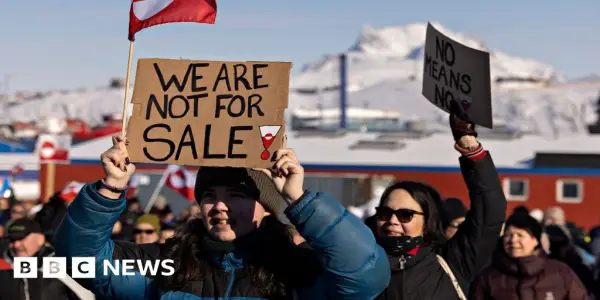
In a united front, six European nations have reaffirmed that the future of Greenland rests solely with its people and Denmark, following U.S. President Trump's provocative comments regarding potential annexation.
In-depth analysis
Background context
The ongoing debate surrounding Greenland's status has intensified, particularly following U.S. President Trump's remarks on its strategic importance. Six European nations have rallied behind Denmark, advocating for the territory's future to be determined by its residents and the Danish government, while highlighting Greenland's historical pursuit of autonomy since 2009.
Key political implications
The situation poses significant challenges for NATO and transatlantic relations, as any U.S. military action could fracture longstanding alliances and alter the balance of power within the region.
Who gains / who loses
European nations stand to gain by reinforcing their commitment to international law and sovereignty, potentially strengthening their influence in Arctic affairs. Conversely, the U.S. risks alienating its allies and undermining Greenland's aspirations for autonomy, which could lead to increased tensions.
Possible future scenarios
Future developments may hinge on diplomatic negotiations that prioritize Greenland's self-determination. Alternatively, escalating tensions could provoke confrontations that reshape Arctic geopolitics and complicate international relations in the region.
Did you know?
Why you should know this
The debate over Greenland's status impacts not just international relations but the everyday lives of Greenlanders. As global powers vie for influence, local voices risk being drowned out. Decisions about the territory's future could affect issues like resource management, environmental policies, and the preservation of indigenous cultures, making this a matter of personal significance for residents.
Behind the political curtain
In 2009, Greenland gained extensive self-governance, allowing it to make its own decisions on domestic matters. This shift marked a significant step in the territory's pursuit of autonomy, laying the groundwork for current discussions about its future in the face of external pressures.
Ordinary person in an extraordinary situation
Meet Aput, a 34-year-old teacher in Nuuk, who feels the weight of the ongoing geopolitical tensions on her daily life. As she discusses the future of Greenland with her students, Aput worries about their identity and rights being overshadowed by international interests. Her classroom is filled with dreams of independence and self-determination, echoing the sentiments of many Greenlanders. Aput's passion for local culture and history drives her to inspire her students to engage in these discussions. She believes that their voices must be heard as decisions about their homeland unfold on the global stage. For Aput, this isn't just a political issue; it's about the future of her community and the legacy she leaves for the next generation.
Expert Commentary
Europe’s strong backing of Denmark over Greenland’s sovereignty reflects deep concern about respect for international norms and small nations’ rights. While the U.S. interest in the Arctic has strategic logic, any hint of pressure over territorial control risks undermining decades of transatlantic trust. The unified European response reinforces that Greenland’s future should be decided by its people and Copenhagen—not external power plays.

Spain's Attorney General Convicted in...

The Fate of the Maquis in Star Trek: A Missed...

New Yorkers Kick Off Early Voting for Mayoral...
Jim Avila, Esteemed ABC News Correspondent, Dies...
Italy's Meloni Engages with Qatar Emir on Energy...

Armenian Deputy Foreign Minister Visits Israel...
Iraq's Parliamentary Elections: Key Insights...
Denmark's Prime Minister Advocates for Stricter...
Javier Milei's Victory Signals a Shift in...
US-South Korea Agreement to Develop...

Indian Trade Unions Rally Against New Labour...

Cuban Authorities Engage in Deadly Clash with...
The 1969 Sino-Soviet Border Conflict: A Near Miss...
Canada and China Take Steps Toward Repairing...

Jetpack Navigation 3 Achieves Stability for...


Tarique Rahman's Homecoming: A Potential Turning...

AfD Leader Raises Concerns Over Potential Threats...

China's Shift to a Cautious Research Strategy...
Bangladesh's International Crimes Tribunal...
Cuba Rejects U.S. Security Threat Claims Amid...

NFL Players Union Faces Grievance Over Annual...
Kenya Urges Protection for Citizens Amid...
Germany Resumes Arms Exports to Israel Amid...
Geopolitical Tensions Surround Palau Amid...
U.S. Extends Sanctions Relief as Syrian Leader...

Misjudgments in Military Strategy: The Lessons...

WWE Raw Recap: Titles Change Hands in Thrilling...
Key Insights from Trump's National Security...

Khamenei Assassination: A Pivotal Shift in...

Saudi Crown Prince Mohammed bin Salman Set for...
U.S. Authorities Detain British Journalist Linked...

Saudi Crown Prince's Invitation to the White...
Zohran Mamdani Secures Victory in New York City...

South Africa's G20 Presidency: A Mixed Legacy of...
South Korea Initiates First Military Talks with...

NASA Unveils Stunning Images of Interstellar...

Japan and Finland in Diplomatic Tension Following...
Democrats Celebrate Recent Wins Amidst Internal...

U.S. Lawmakers Express Concerns Over Trump...