Bangladesh's International Crimes Tribunal Sentences Former PM Sheikh Hasina to Death
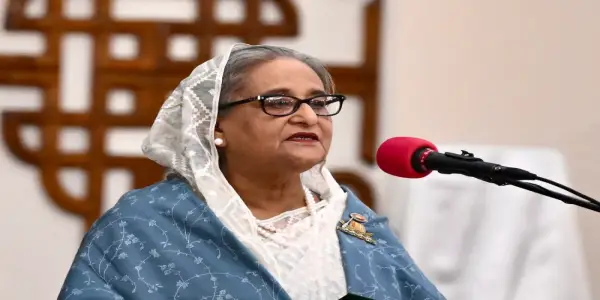
Bangladesh's International Crimes Tribunal has sentenced former PM Sheikh Hasina to death in absentia for her role in a violent crackdown on student protests.
In-depth analysis
Background context
The recent ruling by Bangladesh's International Crimes Tribunal sentencing former Prime Minister Sheikh Hasina to death in absentia stems from her alleged involvement in a violent crackdown during last year's student protests. These protests, ignited by demands for policy reforms, escalated into severe confrontations with law enforcement, resulting in significant casualties and marking a pivotal moment in Bangladesh's political history.
Key political implications
This unprecedented ruling may deepen existing political rifts and challenge the legitimacy of the interim government, raising questions about the future of governance in Bangladesh.
Who gains / who loses
Supporters of Sheikh Hasina view the tribunal's decision as a politically motivated attack, potentially galvanizing her base and leading to increased unrest. Conversely, advocates for accountability may see this ruling as a step toward addressing human rights abuses by political leaders.
Possible future scenarios
As tensions rise ahead of the upcoming elections, Bangladesh may face intensified protests and political instability. The international community's response could also influence the trajectory of governance and public trust in institutions.
Did you know?
Why you should know this
The ruling against Sheikh Hasina could reshape political accountability in Bangladesh, influencing how citizens view their leaders and justice system. As the country approaches elections, this landmark decision may energize calls for reform and transparency. For everyday Bangladeshis, the outcome impacts not only their political landscape but also their safety and rights in the face of state authority.
Behind the political curtain
The International Crimes Tribunal in Bangladesh, established in 2009, was originally created to prosecute war crimes from the 1971 independence conflict. Its recent expansion to include contemporary political figures marks a significant shift in its mandate, highlighting the tribunal's evolving role in addressing human rights abuses.
Ordinary person in an extraordinary situation
Fatima, a 23-year-old university student from Dhaka, found herself among the peaceful protesters last year. The violent crackdown left her traumatized; she witnessed friends being injured and arrested. The recent ruling against Hasina has stirred hope within her community for justice, yet it also raises fears of retaliation. Fatima's struggle reflects the complex emotions many feel—seeking accountability while fearing further violence as the political climate grows tense. Her story emphasizes that for citizens like her, this isn't just a political issue; it’s about their safety and future in a country where the lines between governance and oppression are increasingly blurred.

Japan and Finland in Diplomatic Tension Following...
Zohran Mamdani Secures Victory in New York City...

Lessons from Ulysses S. Grant on Civil-Military...
UK Finalizes £8 Billion Typhoon Fighter Jet...

Reddit Enhances App Performance with R8...

Apple Achieves Unprecedented Financial Success in...
U.S. Extends Sanctions Relief as Syrian Leader...
US Tariffs Impact Nuevo Leon's Steel Sector,...
Iraq's Parliamentary Elections: Key Insights...

Political Reactions to BBC Leadership Changes...
Japan Protests China's Travel Advisory Amid...
China's Shift to a Cautious Research Strategy...

Contradictory Signals from Trump and Rubio on...
Jim Avila, Esteemed ABC News Correspondent, Dies...

WWE Raw Recap: Titles Change Hands in Thrilling...
Kenya Urges Protection for Citizens Amid...
Hungarian Prime Minister Viktor Orban Engages...

Texas Governor Abbott Designates CAIR as a...
Tarique Rahman's Homecoming: A Potential Turning...
Japan Reacts Strongly to China's Travel Advisory...
Germany Resumes Arms Exports to Israel Amid...

Ireland Moves Forward with Bill Targeting Israeli...
Algeria Grants Pardon to Jailed Novelist Boualem...

U.S. Embassies Redefine Human Rights:...

Bhutan's Complex Relationship with India: A...

Isaac Asimov's Perspective on Star Trek: A Sci-Fi...
New Yorkers Kick Off Early Voting for Mayoral...

Jetpack Navigation 3 Achieves Stability for...

Democrats Celebrate Recent Wins Amidst Internal...

Mark Carney Discusses Political Transition During...
Trump Appoints Special Envoy to Greenland,...
Saudi Crown Prince Mohammed bin Salman Set for...

The 1969 Sino-Soviet Border Conflict: A Near Miss...
Armenian Deputy Foreign Minister Visits Israel...

Comet 3I/ATLAS Continues to Mystify Scientists...

Spain's Attorney General Convicted in...
Bangladesh Seeks India's Assistance in...
Italy's Meloni Engages with Qatar Emir on Energy...

The Fate of the Maquis in Star Trek: A Missed...

Denmark's Prime Minister Advocates for Stricter...