Texas Governor Abbott Designates CAIR as a Foreign Terrorist Organization
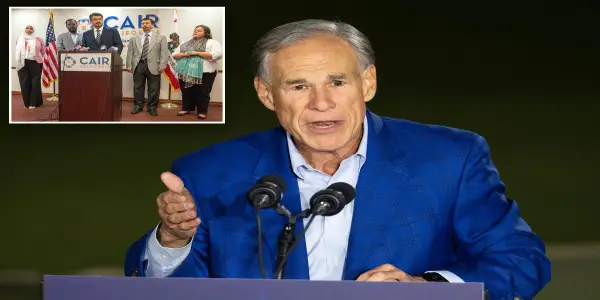
Governor Greg Abbott of Texas has officially classified the Council on American-Islamic Relations (CAIR), a prominent Muslim civil rights organization, as a foreign terrorist entity, citing alleged connections to Hamas.
In-depth analysis
Background context
Governor Greg Abbott's declaration of the Council on American-Islamic Relations (CAIR) as a foreign terrorist organization marks a significant escalation in the political discourse surrounding U.S. foreign policy and domestic civil rights. This move comes amidst heightened tensions regarding the Israeli-Palestinian conflict and reflects ongoing debates about the role of Muslim organizations in American society.
Key political implications
Abbott's proclamation could redefine the legal landscape for civil rights organizations in the U.S., potentially enabling increased scrutiny and legal challenges against groups advocating for marginalized communities, particularly those associated with Muslim advocacy.
Who gains / who loses
This declaration may bolster support for conservative factions that view CAIR as a threat, while alienating moderate and progressive groups advocating for Palestinian rights. Conversely, CAIR and its supporters may experience heightened backlash and increased challenges in their advocacy efforts, impacting their operations.
Possible future scenarios
The classification of CAIR as a terrorist organization could lead to more stringent regulations on Muslim advocacy groups and provoke legal battles over free speech. Alternatively, it might galvanize civil rights advocates to mobilize against perceived injustices, potentially reshaping public dialogue.
Did you know?
Why you should know this
Governor Abbott's declaration against CAIR is not just a political maneuver; it directly affects how Muslim communities in Texas and beyond can advocate for their rights. This decision could lead to increased scrutiny of civil rights organizations and shape public perception, potentially stifling voices that call for justice in contentious global issues like the Israeli-Palestinian conflict. Understanding this development helps you grasp the broader implications for civil liberties and community activism.
Behind the political curtain
Despite its public stance, CAIR has worked with law enforcement agencies in the past to combat extremism, emphasizing a commitment to community safety. This collaboration is often overlooked in political narratives that portray the organization solely as a threat.
Ordinary person in an extraordinary situation
Fatima Rashid, a 32-year-old community organizer in Houston, has dedicated her life to advocating for Muslim rights and social justice. Following Abbott's declaration, she feels a mix of fear and resolve. 'This isn't just about CAIR; it's about all of us who stand for justice,' she says, reflecting on the potential chilling effect on her work. Fatima recalls a recent protest where she witnessed solidarity among diverse groups standing against injustice. Now, with the state labeling organizations like hers as terrorists, she worries that her community's voices will be silenced. Yet, she remains determined, believing that advocacy must continue despite the risks. Her story illustrates the personal stakes in a political landscape increasingly hostile to marginalized voices.

Sias University Adapts to Modern Educational...
The Role of Palestinian Statehood in Advancing...
Switzerland Faces Economic Challenges Amid U.S....
Saudi Crown Prince Mohammed bin Salman Set for...

New Advocacy Report Urges Action Against Child...
Japan Reacts Strongly to China's Travel Advisory...
New Yorkers Kick Off Early Voting for Mayoral...
Russian and Indian Foreign Ministers Convene...
Syria's Foreign Minister Visits China to...

Jetpack Navigation 3 Achieves Stability for...

The 1969 Sino-Soviet Border Conflict: A Near Miss...
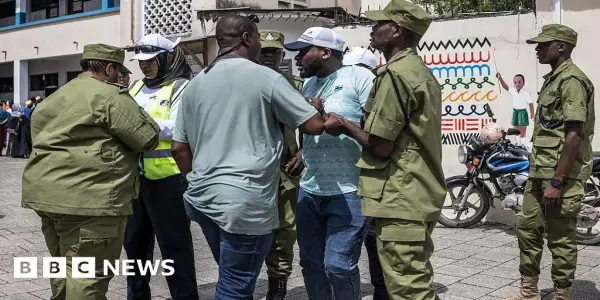
Kenya Urges Protection for Citizens Amid...

Baden Bower Reduces Pitch-to-Publish Timeline by...
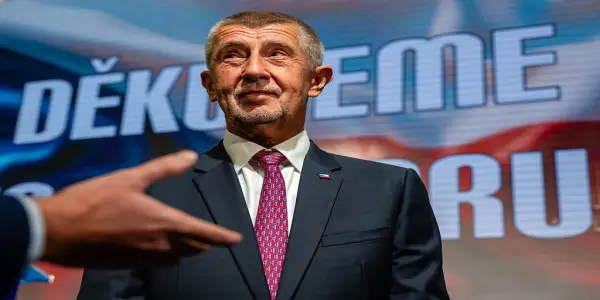
Czech President Appoints Billionaire Former Prime...
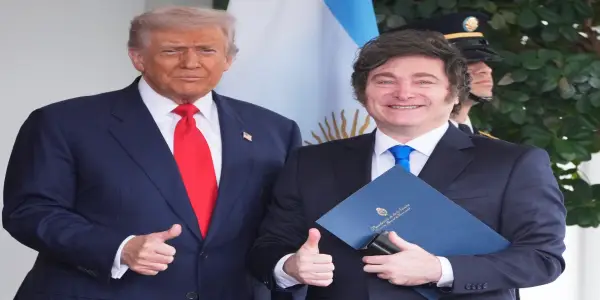
Javier Milei's Victory Signals a Shift in...
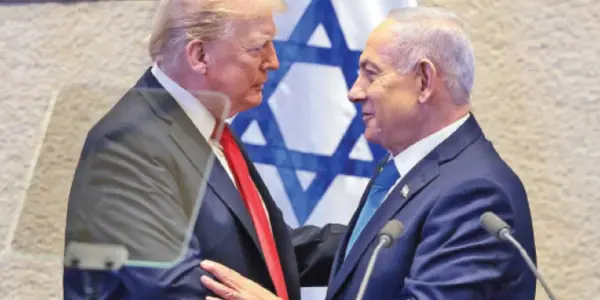
Is the U.S. Reassessing Its Stance on Israel...
Mamdani's Victory: A Turning Point for the...
Denmark's Prime Minister Advocates for Stricter...

Geopolitical Tensions Surround Palau Amid...
Mamdani Emerges Victorious in NYC Mayoral Race...

Cuban Authorities Engage in Deadly Clash with...

Bangladesh's Upcoming Election: Key Political...
Tarique Rahman's Homecoming: A Potential Turning...
Examining Trump's Claims of Resolving Conflicts:...

Comet 3I/ATLAS Continues to Mystify Scientists...

NASA Unveils Stunning Images of Interstellar...

Challenges Faced by Costumes in 'Mighty Morphin...
New England Senators Play Crucial Role in...

Nevada's Governor's Office Allegedly Intervened...

Miss Universe Cayman Islands Advocates for Global...
Khamenei Assassination: A Pivotal Shift in...
Algeria Grants Pardon to Jailed Novelist Boualem...

Political Reactions to BBC Leadership Changes...
Sanae Takaichi: Japan's First Female Prime...
Key Insights from Trump's National Security...

WWE Raw Recap: Titles Change Hands in Thrilling...
Limited Expectations as Trump and Xi Approach...
Germany Resumes Arms Exports to Israel Amid...
Canada and China Take Steps Toward Repairing...
Canada's Carney to Meet Xi in China, Signaling a...