Burkina Faso Sever Diplomatic Relations with France Amid Rising Tensions
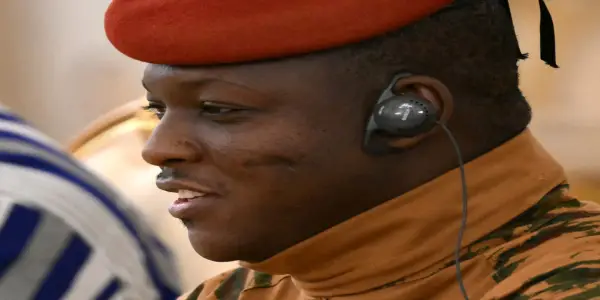
Burkina Faso's military government accuses France of neo-colonialism as it cuts diplomatic ties, reflecting a broader shift in African alliances.
In-depth analysis
Background context
Burkina Faso's decision to sever ties with France marks a pivotal moment in its post-colonial trajectory, reflecting deep-seated grievances over perceived neo-colonialism. The military government, led by Captain Ibrahim Traore, asserts that the previous framework of cooperation has become untenable, highlighting a growing trend among African nations to reassess their historical relationships with former colonial powers.
Key political implications
This diplomatic break signals a broader shift in West African politics, where anti-colonial sentiments are gaining traction. It raises questions about the future of France's influence in the region and the potential for increased engagement from alternative powers.
Who gains / who loses
The military government in Burkina Faso may gain domestic support by portraying itself as a defender of national sovereignty against foreign influence. Conversely, France stands to lose its historical foothold in the region, potentially diminishing its strategic interests and economic ties.
Possible future scenarios
Future scenarios may include intensified cooperation between Burkina Faso and non-Western powers like Russia and China, further isolating France. Alternatively, this shift could provoke a backlash, leading to increased instability as regional dynamics evolve.
Did you know?
Why you should know this
Burkina Faso's diplomatic break with France highlights a critical shift in international relations that affects more than just politics. For everyday citizens, this may mean changes to economic partnerships, security operations, and the availability of aid. Understanding these dynamics can shed light on how local governance and foreign influence impact daily life, from job opportunities to community safety.
Behind the political curtain
Before this break, Burkina Faso's military government had already begun to distance itself from France by expelling French troops in early 2023. This move was not widely reported but indicates a deeper rift and a strategic pivot towards other global powers, reflecting a broader trend in the region.
Ordinary person in an extraordinary situation
Meet Amina, a 34-year-old teacher in Ouagadougou. As a mother of three, she feels the weight of her country’s shifting alliances. Amina worries about the impact on her children’s future and access to education, particularly as international donors reassess their commitments. While she appreciates the historic ties with France, she sees the need for Burkina Faso to chart its own path. Amina hopes for a stable environment where her children can thrive, free from the legacies of colonialism that continue to shape their reality. Her story underscores the tangible effects of geopolitical shifts on individual lives, revealing the human cost behind political decisions.
Expert Commentary
Burkina Faso's severance of ties with France marks a pivotal moment in the evolving landscape of post-colonial relations in West Africa. This decision reflects a growing discontent among African nations regarding perceived neo-colonial practices, as countries increasingly seek to redefine their sovereignty and align with alternative global partners. The military government's actions raise critical questions about the future of democracy and human rights in the region, especially against the backdrop of ongoing security challenges. As Burkina Faso pivots away from traditional alliances, the implications for regional stability and international diplomacy could be profound, potentially reshaping power dynamics across the Sahel.
Democrats Celebrate Recent Wins Amidst Internal...
US Tariffs Impact Nuevo Leon's Steel Sector,...
Jared Isaacman Renominated as NASA Administrator...
The Impact of Trump's Second Year: A Year of...
Italy's Meloni Engages with Qatar Emir on Energy...
Zohran Mamdani Secures Victory in New York City...
Japan Reacts Strongly to China's Travel Advisory...

U.S. Authorities Detain British Journalist Linked...

Spain's Attorney General Convicted in...
Saudi Crown Prince's Invitation to the White...

NFL Players Union Faces Grievance Over Annual...

European Automakers Face New Chip Shortage as...

AfD Leader Raises Concerns Over Potential Threats...
The Rise of Technocracy in Modern Governance
Japan and Finland in Diplomatic Tension Following...
Canada Decides Against Public Disclosure of Nazi...
Javier Milei's Victory Signals a Shift in...
Geopolitical Tensions Surround Palau Amid...
Italy's PM Meloni Responds Firmly to Trump's...

Golden Snub-Nosed Monkeys Make European Debut in...

Apple Achieves Unprecedented Financial Success in...
Iraq's Parliamentary Elections: Key Insights...

Lessons from Ulysses S. Grant on Civil-Military...
Examining Trump's Claims of Resolving Conflicts:...

Misjudgments in Military Strategy: The Lessons...
Mamdani's Victory: A Turning Point for the...

Isaac Asimov's Perspective on Star Trek: A Sci-Fi...

Texas Governor Abbott Designates CAIR as a...
Inquiry Critiques Scottish Government's Covid-19...

China's Shift to a Cautious Research Strategy...
U.S. Extends Sanctions Relief as Syrian Leader...
German Chancellor Merz to Visit Israel for Key...
Zohran Mamdani's Vision for Global Municipal...

Algeria Grants Pardon to Jailed Novelist Boualem...
Khamenei Assassination: A Pivotal Shift in...

NASA Unveils Stunning Images of Interstellar...
Bangladesh's Upcoming Election: Key Political...

Nevada's Governor's Office Allegedly Intervened...

Comet 3I/ATLAS Continues to Mystify Scientists...