The Foundation of Friendship: Understanding Self-Love

Explore the vital connection between self-love and friendship. Understand how self-acceptance influences our ability to form meaningful relationships with ot...
In-depth analysis
Background context
The exploration of self-love as a precursor to meaningful friendships has deep historical roots. Philosophers like Plato and Aristotle highlighted the necessity of internal harmony for fostering external relationships. Modern psychology also supports this, illustrating how personal struggles with self-acceptance can hinder the ability to form healthy connections with others.
Key political implications
The relationship between personal well-being and social connections can influence political stability. During times of societal unrest, the ability to maintain friendships may be compromised, potentially leading to increased isolation and social fragmentation.
Who gains / who loses
Individuals who prioritize self-acceptance and nurture their friendships are likely to experience personal growth and stronger connections. Conversely, those who neglect self-love may find their relationships strained, leading to isolation and emotional distress.
Possible future scenarios
As awareness of the importance of self-friendship grows, therapeutic practices may increasingly incorporate these principles. This shift could lead to healthier interpersonal dynamics and a greater emphasis on mental well-being in social contexts.
Did you know?
Why you should know this
Understanding the link between self-love and friendship can transform how we choose and nurture our relationships. In everyday life, this insight encourages individuals to prioritize self-acceptance, which can lead to healthier, more fulfilling connections. When people invest in their self-worth, they’re more likely to attract supportive friends and cultivate deeper bonds, ultimately enhancing their overall well-being.
Behind the political curtain
Notably, Carl Jung’s theories were shaped during a time of significant political upheaval in Europe. His experiences during World War I and the rise of fascism influenced his views on the importance of inner harmony, revealing how external conflicts can deeply affect personal relationships and mental health.
Ordinary person in an extraordinary situation
Take Sarah, a 35-year-old graphic designer who once struggled with self-worth after years of critical feedback from her parents. In her journey to self-acceptance, she began to recognize how her past influenced her friendships. Initially, Sarah found it hard to trust others, fearing rejection. However, through therapy, she learned to embrace her imperfections and create boundaries. As her self-love grew, so did her friendships. She now enjoys a close-knit circle that uplifts her, proving that when individuals invest in themselves, they can forge authentic connections that reflect their newfound worth. Sarah’s journey underscores the idea that nurturing oneself paves the way for nurturing relationships, ultimately leading to a more fulfilling life.
Expert Commentary
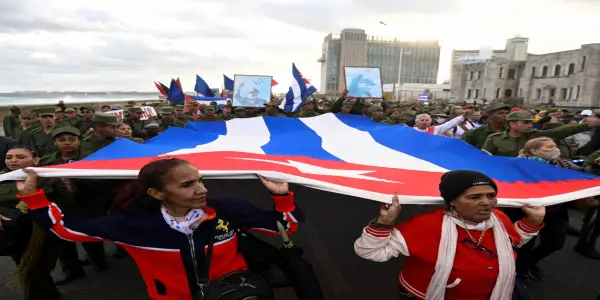
Cuba Rejects U.S. Security Threat Claims Amid...

Democrats Celebrate Recent Wins Amidst Internal...

Spain's Attorney General Convicted in...
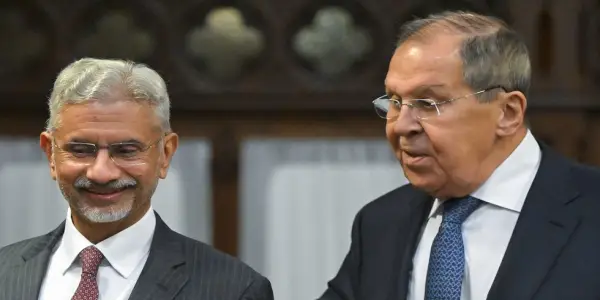
Russian and Indian Foreign Ministers Convene...
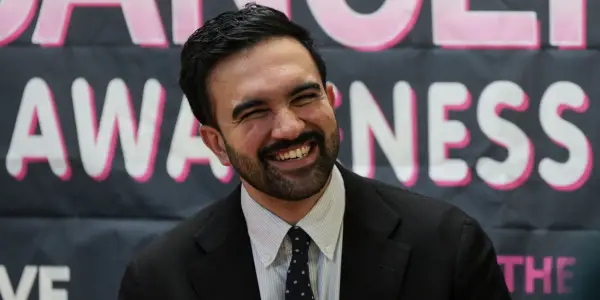
Zohran Mamdani Secures Victory in New York City...
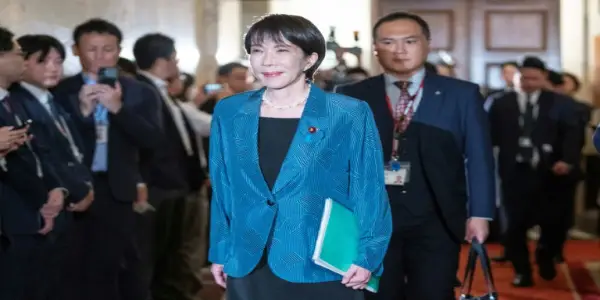
Sanae Takaichi Poised to Become Japan's First...
South Africa's G20 Presidency: A Mixed Legacy of...

Political Reactions to BBC Leadership Changes...

The Evolving Landscape of Copyright Enforcement...

Texas Governor Abbott Designates CAIR as a...

Reddit Enhances App Performance with R8...

New Advocacy Report Urges Action Against Child...

Jared Isaacman Renominated as NASA Administrator...

Limited Expectations as Trump and Xi Approach...

US Tariffs Impact Nuevo Leon's Steel Sector,...

Mamdani Emerges Victorious in NYC Mayoral Race...

EA Raises Concerns Over Sale to Saudi Arabia's...

China's Shift to a Cautious Research Strategy...
New England Senators Play Crucial Role in...

Czech President Appoints Billionaire Former Prime...

Bangladesh's Upcoming Election: Key Political...

Bhutan's Complex Relationship with India: A...

Israel Seeks Diplomatic Renewal with Bolivia...

The Impact of Trump's Second Year: A Year of...

NASA Unveils Stunning Images of Interstellar...

Switzerland Faces Economic Challenges Amid U.S....

Algeria Grants Pardon to Jailed Novelist Boualem...

European Allies Stand Firm with Denmark Amid U.S....

European Automakers Face New Chip Shortage as...

Key Insights from Trump's National Security...

Comet 3I/ATLAS Continues to Mystify Scientists...

Zohran Mamdani's Vision for Global Municipal...

Baden Bower Reduces Pitch-to-Publish Timeline by...

Tarique Rahman's Homecoming: A Potential Turning...
U.S. Authorities Detain British Journalist Linked...

Misjudgments in Military Strategy: The Lessons...
Mark Carney Discusses Political Transition During...


Isaac Asimov's Perspective on Star Trek: A Sci-Fi...

Sias University Adapts to Modern Educational...