Australia Seizes Opportunity in U.S.-China Rare Earths Tensions
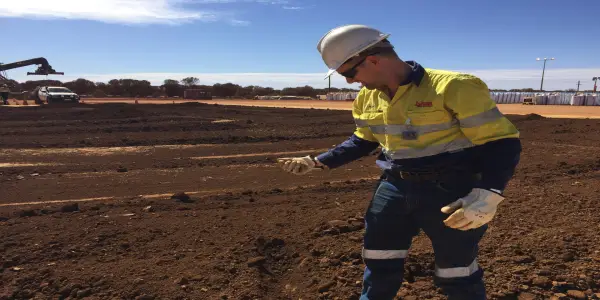
As U.S.-China tensions rise over rare earths, Australia positions itself as a key supplier, ready to meet global demand for these critical minerals essential...
In-depth analysis
Background context
The global rare-earth metals market has long been dominated by China, which produces around 60% of the supply and processes 90% of these essential materials. Recent tensions have escalated due to China's decision to tighten export controls, raising alarms among nations reliant on these minerals, particularly in the U.S. defense and technology sectors.
Key political implications
The intensifying U.S.-China trade dispute over rare-earth metals underscores the geopolitical stakes involved. Australia’s emerging role as a key supplier could shift the balance of power in global supply chains, enhancing its strategic partnership with the U.S.
Who gains / who loses
Australia stands to benefit significantly from this geopolitical shift, potentially increasing its market share in rare-earth supplies. Conversely, China risks losing its dominant position, while U.S. industries could face disruptions if supply chains are not secured in time.
Possible future scenarios
If Australia successfully enhances its rare-earth processing capabilities, it may solidify its role as a critical supplier to the U.S. However, continued tensions could prompt retaliatory measures from China, complicating international trade dynamics further.
Did you know?
Why you should know this
The escalating tensions over rare-earth metal supplies directly impact everyday technology and national security. As the U.S. seeks alternatives to China’s dominance, Australia’s role as a reliable supplier could lead to more stable prices for electronics, electric vehicles, and renewable energy technologies. This shift may also stimulate job growth in Australia and enhance international trade dynamics, affecting consumers globally.
Behind the political curtain
Despite Australia being rich in rare-earth resources, it currently processes only a fraction of what it extracts. In fact, less than 1% of the world’s rare-earth processing happens in Australia, highlighting a significant gap in its supply chain capabilities compared to China.
Ordinary person in an extraordinary situation
Meet Sarah, a renewable energy engineer in California. As an advocate for sustainable technology, she feels the weight of the rare-earth supply chain's volatility. With her projects relying on neodymium magnets for wind turbines, any disruption could delay advancements in green energy solutions. Sarah sees the importance of Australia's emerging role in the market not just for technological progress, but for the fight against climate change. For her, the potential partnership between the U.S. and Australia is more than a political maneuver; it's a lifeline that could ensure the materials needed to build a cleaner future are readily available. The stakes are high, as her work could influence energy policies that affect millions.
Expert Commentary

Javier Milei's Victory Signals a Shift in...

New England Senators Play Crucial Role in...

Bangladesh's International Crimes Tribunal...

Inquiry Critiques Scottish Government's Covid-19...

Spain's Attorney General Convicted in...
Analyzing Trump's Latin America Strategy Amid...
Jim Avila, Esteemed ABC News Correspondent, Dies...

NFL Players Union Faces Grievance Over Annual...

Exiled Russian Orthodox Leader Responds to Spying...

Reddit Enhances App Performance with R8...

Bangladesh's Upcoming Election: Key Political...
Russian and Indian Foreign Ministers Convene...
Saudi Crown Prince's Invitation to the White...
Key Insights from Trump's National Security...

U.S. Authorities Detain British Journalist Linked...

Trump Appoints Special Envoy to Greenland,...

Lessons from Ulysses S. Grant on Civil-Military...

China's Shift to a Cautious Research Strategy...

Canada Decides Against Public Disclosure of Nazi...
Sanae Takaichi: Japan's First Female Prime...

Algeria Grants Pardon to Jailed Novelist Boualem...

The Rise of Technocracy in Modern Governance

The Evolving Landscape of Copyright Enforcement...
Japan Reacts Strongly to China's Travel Advisory...
Six Finalists Announced for the 2026...

European Automakers Face New Chip Shortage as...

Golden Snub-Nosed Monkeys Make European Debut in...

Ireland Moves Forward with Bill Targeting Israeli...

Mark Carney Discusses Political Transition During...

European Allies Stand Firm with Denmark Amid U.S....

Political Reactions to BBC Leadership Changes...

Isaac Asimov's Perspective on Star Trek: A Sci-Fi...
Cuban Authorities Engage in Deadly Clash with...
The Impact of Trump's Second Year: A Year of...
U.S. Extends Sanctions Relief as Syrian Leader...

Zohran Mamdani Secures Victory in New York City...
Sanae Takaichi Poised to Become Japan's First...

Mamdani Emerges Victorious in NYC Mayoral Race...
South Africa's G20 Presidency: A Mixed Legacy of...