Unpacking the Global Appeal of Zionism: Insights from Harriet Malinowitz's 'Selling Israel'

Harriet Malinowitz's new book, 'Selling Israel: Zionism, Propaganda, and the Uses of Hasbara,' explores the strategic public relations efforts that shaped the perception of Zionism while obscuring the realities of Palestinian displacement.
In-depth analysis
Background context
Harriet Malinowitz's 'Selling Israel: Zionism, Propaganda, and the Uses of Hasbara' explores the historical and ideological foundations of Zionism, tracing its emergence in response to European anti-Semitism. The book critiques how a small group of Eastern European Jewish leaders unified global Jewish identity while often sidelining Palestinian rights and narratives in the quest for a homeland.
Key political implications
Malinowitz's analysis raises significant questions about the legitimacy of current Israeli narratives and policies, potentially impacting international perceptions of Zionism and the Israeli-Palestinian conflict.
Who gains / who loses
The book suggests that while Zionist leaders and the Israeli state may benefit from a unified narrative that emphasizes Jewish identity, Palestinians are marginalized, losing recognition of their historical grievances and rights in the process.
Possible future scenarios
As global discourse shifts, one potential outcome could be increased scrutiny of Israeli policies, leading to greater advocacy for Palestinian rights and a reevaluation of Zionism's historical narratives within the international community.
Did you know?
Why you should know this
Understanding the narratives surrounding Israel and Zionism is crucial as they deeply influence contemporary geopolitical dynamics. This knowledge impacts everyday discussions about human rights, international relations, and cultural identity. The ramifications of these narratives extend to how communities are perceived and treated globally, shaping not only policy but also personal interactions in diverse environments.
Behind the political curtain
In the early 20th century, the majority of Jewish people worldwide were unaware of the emerging Zionist movement's goals. Many were focused on integrating into their respective societies rather than establishing a national homeland. This disconnect highlights the complex relationship between various Jewish communities and the political decisions made by early Zionist leaders.
Ordinary person in an extraordinary situation
Consider Miriam, a 34-year-old Israeli teacher who grew up immersed in the narrative of a unified Jewish identity. While she cherishes her heritage, she grapples with the implications of these stories on her Palestinian neighbors. After a recent encounter with a Palestinian family affected by displacement, Miriam felt a profound sense of dissonance. The stories she learned in school didn't align with the realities she observed. This inner conflict drives her to seek a more nuanced understanding of history, reflecting a broader struggle among Israelis to reconcile pride in their identity with the complexities of coexistence. Miriam’s journey illustrates how personal connections can challenge ingrained narratives and promote empathy, pushing for a dialogue that acknowledges all voices.

Political Reactions to BBC Leadership Changes...

Jim Avila, Esteemed ABC News Correspondent, Dies...

Mamdani's Victory: A Turning Point for the...

Switzerland Faces Economic Challenges Amid U.S....

Italy's PM Meloni Responds Firmly to Trump's...

EA Raises Concerns Over Sale to Saudi Arabia's...

Inquiry Critiques Scottish Government's Covid-19...

South Africa's G20 Presidency: A Mixed Legacy of...

The Evolving Landscape of Copyright Enforcement...

US Tariffs Impact Nuevo Leon's Steel Sector,...

Japan Protests China's Travel Advisory Amid...

Trump Appoints Special Envoy to Greenland,...

Bangladesh's International Crimes Tribunal...

Geopolitical Tensions Surround Palau Amid...

Texas Governor Abbott Designates CAIR as a...

Misjudgments in Military Strategy: The Lessons...

China's Shift to a Cautious Research Strategy...

Sias University Adapts to Modern Educational...

Jetpack Navigation 3 Achieves Stability for...

European Allies Stand Firm with Denmark Amid U.S....
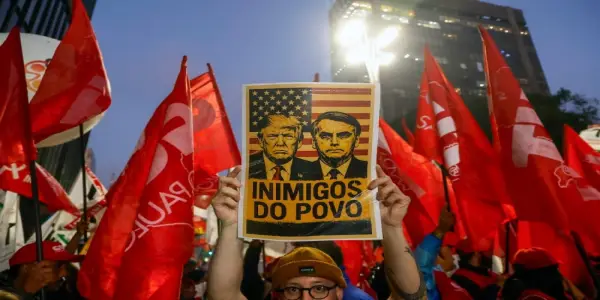
Analyzing Trump's Latin America Strategy Amid...

Indian Trade Unions Rally Against New Labour...

Cuba Rejects U.S. Security Threat Claims Amid...

Nevada's Governor's Office Allegedly Intervened...

Tarique Rahman's Homecoming: A Potential Turning...
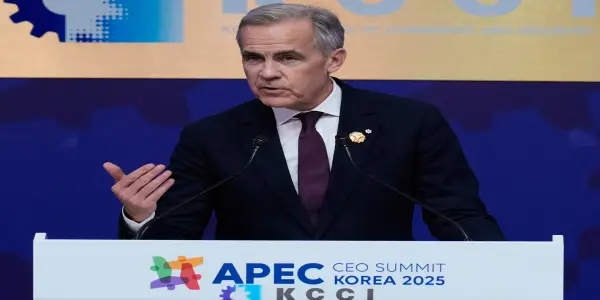
Canada and China Take Steps Toward Repairing...
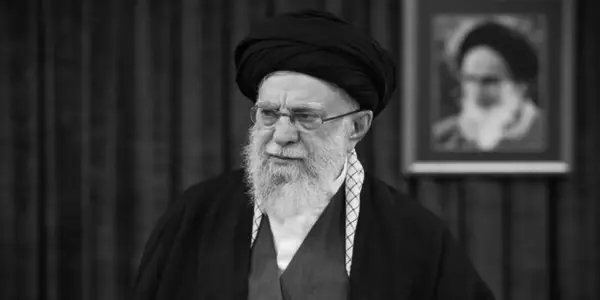
Khamenei Assassination: A Pivotal Shift in...

Comet 3I/ATLAS Continues to Mystify Scientists...

Japan Reacts Strongly to China's Travel Advisory...

New Advocacy Report Urges Action Against Child...
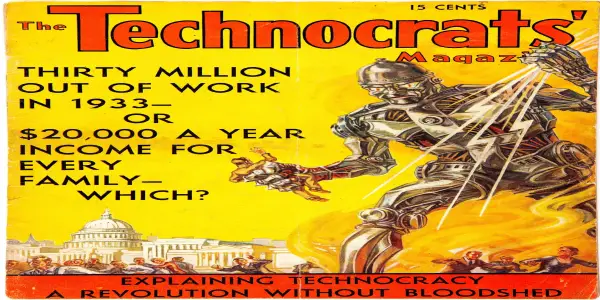
The Rise of Technocracy in Modern Governance

Israel Seeks Diplomatic Renewal with Bolivia...

Apple Achieves Unprecedented Financial Success in...

U.S. Extends Sanctions Relief as Syrian Leader...

Canada's Carney to Meet Xi in China, Signaling a...

Is the U.S. Reassessing Its Stance on Israel...

The Role of Palestinian Statehood in Advancing...

Canada Decides Against Public Disclosure of Nazi...
Six Finalists Announced for the 2026...

New Yorkers Kick Off Early Voting for Mayoral...