UK Advances in Space Defense and Naval Drone Technology

The UK is enhancing space defense and naval capabilities, focusing on satellite protection from laser threats and developing advanced jet-powered drones for ...
In-depth analysis
New discoveries
The UK Ministry of Defence is pioneering advancements in satellite defense technologies, specifically targeting the detection and neutralization of laser threats. These innovations are essential for safeguarding critical satellite functions, which are integral to national communications and weather forecasting, contributing significantly to the economy.
Mission updates
The MoD has initiated Project VANQUISH, focusing on the development of an autonomous drone capable of short take-off and landing from Royal Navy carriers, enhancing operational capabilities.
Who is affected
The advancements in satellite protection and drone technology impact various sectors, including communications, military operations, and economic stability. The UK's reliance on satellites for essential services underscores the importance of these defense initiatives for national security.
Next steps
The Ministry of Defence plans to complete Project VANQUISH by the end of 2024, with a substantial financial commitment of at least £100 million, aiming to integrate advanced drone technology into naval operations.
Did you know?
Why we should care
The advancements in defense technology directly impact daily life in the UK, influencing everything from communication reliability to weather forecasts. As satellites become increasingly vulnerable to threats, ensuring their protection means safeguarding essential services that people rely on, like navigation systems and emergency communications. The push for innovation in drone technology also promises to enhance national security, potentially leading to safer skies and maritime operations.
The universe's unsolved mystery
The vulnerability of satellites to laser attacks raises profound questions about space security and international relations. As nations increasingly rely on space for critical infrastructure, the potential for conflict in this domain presents an unsolved mystery: How can humanity balance technological advancement with the need for peaceful coexistence in the cosmos? The answers will shape the future of global security.
The person who looks at the stars
Meet Emily Carter, a passionate astrophysicist who has spent years studying the cosmos. From her childhood, gazing up at the stars ignited a desire to explore the universe. Now, as she watches the UK invest in satellite protection and advanced drone technology, Emily feels a mix of excitement and concern. She understands that these developments are crucial for national security, yet they also symbolize humanity's ever-growing footprint in space. For her, each initiative is a reminder of the delicate balance we must maintain—protecting our innovations while ensuring they don’t spark conflicts beyond Earth. Emily dreams of a future where exploration and security coexist, allowing generations to marvel at the stars above without fear.
Expert Commentary

Astronomers Discover Ancient White Dwarf Actively...
Discovery of a Planet Formation Zone Beyond...

Satellite Imagery Highlights Hurricane Damage...

Daily Roundup: November 10, 2025 – Advancements...

Intense Solar Storms Could Ignite Life on...

NASA Unveils New Images of Interstellar Comet...
NASA's ESCAPADE Probes Set for Unique Journey to...
Unistellar eQuinox 2 Smart Telescope Sees...

Interstellar Comet 3I/ATLAS Approaches...
Exploring Oregon's Premier Public Telescope...

James Webb Space Telescope Sheds Light on Early...

NASA's Artemis 3 Moon Mission Delayed to 2028 Due...

Astronauts aboard the ISS Capture Stunning Images...
Assessing the Financial Impact of NASA's Apollo...

Rogue Moons: A New Frontier for Life Beyond Stars

Recent Studies Explore Potential Exoplanet in...
Blue Origin Faces Major Setback as New Glenn...
ISS Crew Takes Precautions Against Radiation...

New Simulations Shed Light on the Enigmatic...
SpaceX Set to Launch NASA's Pandora Exoplanet...

Astronomers Uncover Evidence of Aging Stars...
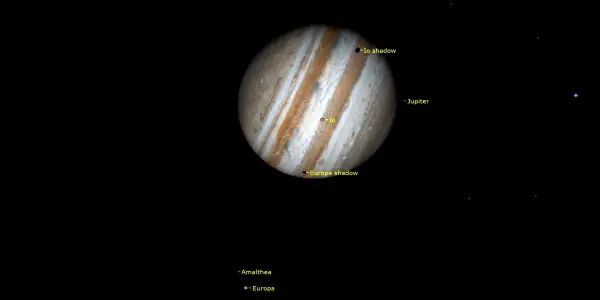
Jupiter's Moons Io and Europa to Cast Shadows...

Urwerk Unveils Limited-Edition 100V 'LightSpeed'...
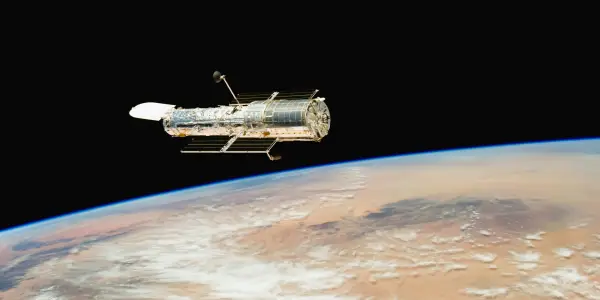
The Impact of Space Technology on Everyday Life

Hubble Telescope Unveils Enigmatic Galaxy NGC 2775

The Pleiades Star Cluster Reveals Its Extensive...

Highlights of 2025 in Space Exploration: From...

Astronomers Identify Three Earth-Sized Exoplanets...
The Dwarf III Smart Telescope: A Compact Marvel...

James Webb Space Telescope May Have Detected the...

James Webb Telescope Identifies Rapidly Growing...

SpaceX Achieves 150th Falcon 9 Launch with...
Italian Producer Plans Historic Film to Shoot in...

Exploring the Composition of Cosmic Voids

Webb Telescope Reveals Unprecedented Cosmic...

James Webb Space Telescope Captures Stunning...

Lenovo's Legion Tab Gen 3 Sees Significant Black...
Breakthrough in Milky Way Simulation Using AI...

Portal Systems Aims to Revolutionize Spacecraft...

China's Mars Orbiter Captures Image of...