NASA's Hubble Telescope Captures Detailed Image of Interstellar Comet 3I/ATLAS
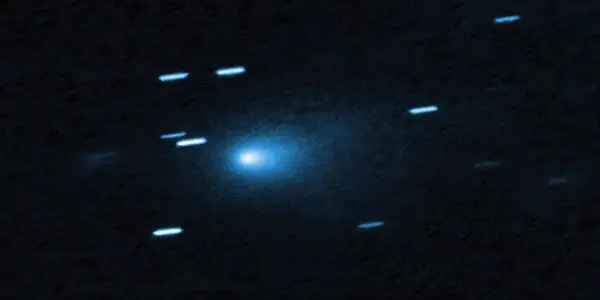
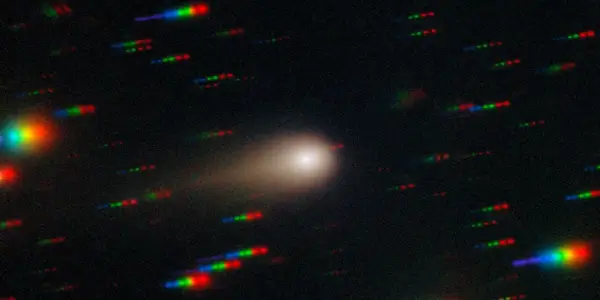
Astronomers utilizing NASA's Hubble Space Telescope have obtained the clearest image yet of the interstellar comet 3I/ATLAS, contributing to ongoing studies of this celestial object.
In-depth analysis
New discoveries
Astronomers have made significant advancements in understanding interstellar comet 3I/ATLAS, capturing detailed images that reveal its nucleus could measure between 1 to 3 kilometers. Hubble's observations also documented a dust plume and a tail forming as the comet approaches the Sun, providing essential data for comparative studies with solar system comets.
Mission updates
The Hubble Space Telescope, alongside the James Webb Space Telescope and the Neil Gehrels Swift Observatory, is actively analyzing comet 3I/ATLAS, contributing to a deeper understanding of its characteristics and origins.
Who is affected
The research impacts astronomers and scientists globally, enhancing knowledge about interstellar objects. Additionally, the findings may influence future space missions and observational strategies targeting near-Earth objects and other celestial phenomena.
Next steps
As 3I/ATLAS approaches the Sun, it will become difficult to observe. Researchers plan to re-observe the comet once it re-emerges, continuing their investigation into its origins and behavior.
Did you know?
Why we should care
Understanding interstellar comets like 3I/ATLAS helps us grasp the origins of our solar system and the building blocks of planetary formation. This research sheds light on the materials that may have contributed to Earth’s development, potentially influencing everything from climate patterns to the presence of water. As we explore these cosmic visitors, we gain insights that could inform future space missions and planetary defense strategies.
The universe's unsolved mystery
The origins of 3I/ATLAS remain a tantalizing puzzle. Unlike comets native to our solar system, this interstellar traveler offers a glimpse into the deeper cosmos. What can its composition tell us about the molecular clouds that birthed stars and planets? Each discovery about 3I/ATLAS may unravel new questions about the universe's formation and the processes that govern celestial movement across galaxies.
The person who looks at the stars
Emma Torres, a high school science teacher in a small town, often takes her students outside at night to observe the stars. When she learned about 3I/ATLAS, she felt a surge of excitement, envisioning the comet's journey across the cosmos. For Emma, teaching about such celestial phenomena ignites her students' curiosity and dreams. She encourages them to think beyond Earth, fostering a sense of wonder about the universe. As they peer through telescopes, she reminds them of the mysteries waiting to be solved, just like the one posed by 3I/ATLAS. Each lesson becomes a bridge connecting her students to the vast unknown, inspiring future generations of astronomers and explorers.
Expert Commentary
NASA and Blue Origin Successfully Launch Dual...

Enhance Your Weather Preparedness with Weather...
Highlights of 2025 in Space Exploration: From...
China's Mars Orbiter Captures Image of...
Rogue Moons: A New Frontier for Life Beyond Stars
NASA's X-59 Achieves Historic Supersonic Flight

Childcare Crisis: Families Struggle as...
X5.1 Solar Flare Triggers G4 Geomagnetic Storm...

Samsung's Galaxy S26 Ultra Set for Significant...
James Webb Space Telescope May Have Detected the...
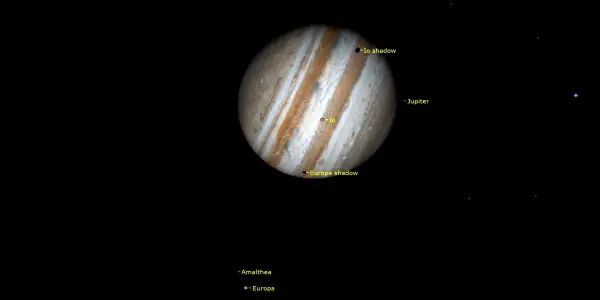
Jupiter's Moons Io and Europa to Cast Shadows...
Potential Evidence of Dark Matter Emerges from...

Foundation Season 3 Hints at Deeper Asimov Themes...
New Research Suggests Dark Matter Influences...
Recent Studies Explore Potential Exoplanet in...
Astronomers Uncover a Rapid Star-Forming Galaxy...
Astronomers Converge in Phoenix for AAS 247: A...
Breakthrough in Milky Way Simulation Using AI...

Samsung Galaxy S26 Expected to Feature Enhanced...
Meteorite Fragment May Have Impacted Houston Home
SpaceX Faces Challenges in Meeting NASA's 2027...
Intense Solar Storm May Illuminate Skies Across...

NASA's Artemis 3 Moon Mission Delayed to 2028 Due...
SabreSat: An Innovative Air-Breathing Satellite...
James Webb Telescope Identifies Rapidly Growing...
Ancient Galaxies: A Chaotic Early Universe...
Exploring the Composition of Cosmic Voids
Intense Solar Storms Could Ignite Life on...
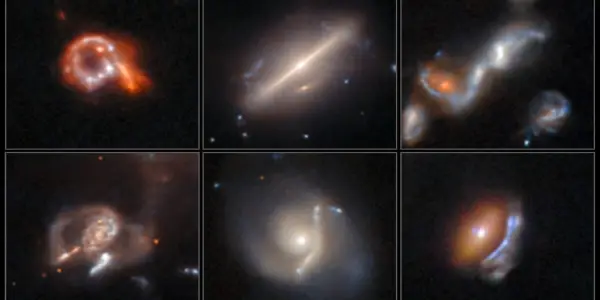
AI Reveals Over 800 New Cosmic Anomalies from...
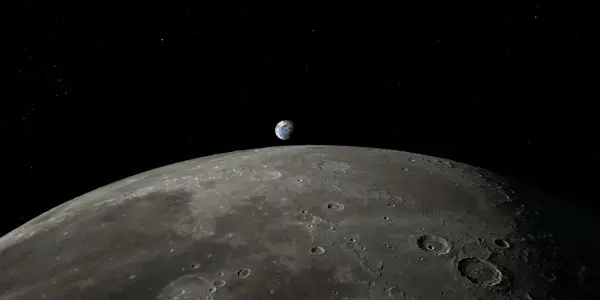
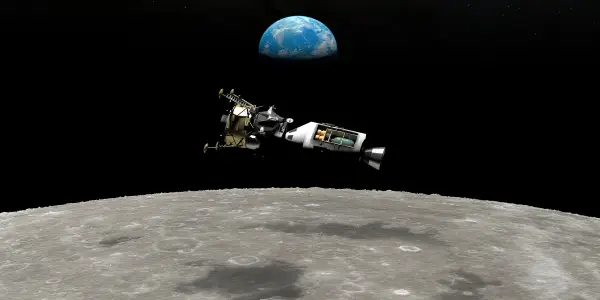
Assessing the Financial Impact of NASA's Apollo...
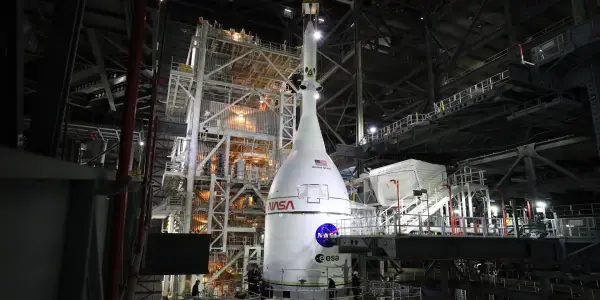
NASA Advances Artemis 2 Mission with Orion...
Interstellar Comet 3I/ATLAS Approaches...
Astronomers Discover Ancient White Dwarf Actively...
India Successfully Launches CMS-03 Military...
Portal Systems Aims to Revolutionize Spacecraft...
SpaceX Set to Launch NASA's Pandora Exoplanet...

OnePlus 15 vs. Samsung Galaxy S25 Plus: A Clash...
NASA's Ambitious Timeline for Human Exploration...