Russian Ambassador to U.S. Stresses Need for Policy Shift to Renew Strategic Dialogue
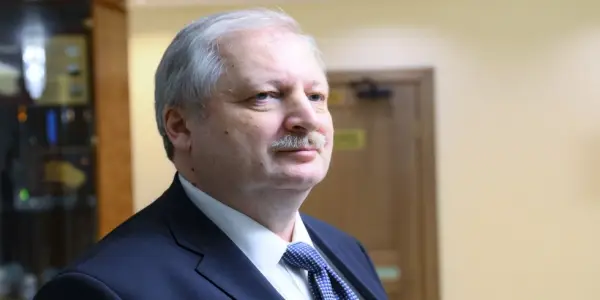
Russian Ambassador Alexander Darchiev calls for a U.S. policy shift to resume vital strategic dialogue amid postponed summit and concerns over the New START ...
In-depth analysis
Background context
The strained U.S.-Russia relations have reached a critical juncture, particularly with the upcoming expiration of the New START Treaty in 2026. Ambassador Alexander Darchiev's recent statements emphasize the necessity for a policy shift in Washington to facilitate meaningful discussions on strategic matters, especially following the postponed summit in Budapest.
Key political implications
Darchiev's remarks signal a potential stalemate in U.S.-Russia dialogue, as the lack of clarity from Washington on nuclear policies may hinder future negotiations and exacerbate tensions between the two nations.
Who gains / who loses
If the U.S. continues its current stance, Russia may solidify its position on nuclear armament, while the U.S. risks losing credibility in arms control discussions. Conversely, a shift in U.S. policy could foster renewed dialogue, benefiting both nations and global stability.
Possible future scenarios
Should the U.S. resume nuclear testing, it could provoke a tit-for-tat response from Russia, escalating tensions further. Alternatively, a diplomatic breakthrough might pave the way for renewed arms control agreements and improved bilateral relations.
Did you know?
The exact title from above
The potential for renewed U.S.-Russia dialogue hinges on significant shifts in policy, particularly regarding nuclear arms control. This isn't just about politics; it's about global safety. As tensions rise, the consequences of miscommunication can directly impact everyday life, from economic stability to the safety of families worldwide. Understanding these dynamics can help citizens advocate for a more peaceful future.
The exact title from above
Ambassador Darchiev's call for a policy shift highlights a lesser-known fact: while the New START Treaty is set to expire in 2026, both nations have historically found common ground on arms control despite deep-seated tensions. This background suggests that diplomacy, even if challenging, is a viable path forward if both sides are willing to engage meaningfully.
The exact title from above
Consider the perspective of Maria Ivanova, a mother living in Moscow. With her husband serving in the military, she feels the weight of global tensions on her family. Each news cycle about U.S.-Russia relations stirs anxiety about what renewed nuclear tests might mean for her children’s future. Maria often discusses these issues with her neighbors, fostering a community dialogue about peace and stability. Her story underscores the human stakes behind diplomatic discussions, reminding us that political decisions echo in the lives of ordinary people. As international leaders negotiate, it's essential to consider the impact on families like hers, who yearn for security in an increasingly uncertain world.

Misjudgments in Military Strategy: The Lessons...

Indian Trade Unions Rally Against New Labour...
Israel Seeks Diplomatic Renewal with Bolivia...
Limited Expectations as Trump and Xi Approach...

Exploring Intimacy and Isolation in Claire-Louise...
US Tariffs Impact Nuevo Leon's Steel Sector,...

Golden Snub-Nosed Monkeys Make European Debut in...
Examining Trump's Claims of Resolving Conflicts:...

U.S. Lawmakers Express Concerns Over Trump...
Khamenei Assassination: A Pivotal Shift in...
Exiled Russian Orthodox Leader Responds to Spying...

Nevada's Governor's Office Allegedly Intervened...
Colombia's ELN Rebels Intensify Military Drills...
Switzerland Faces Economic Challenges Amid U.S....

EA Raises Concerns Over Sale to Saudi Arabia's...
U.S. Extends Sanctions Relief as Syrian Leader...

Jared Isaacman Renominated as NASA Administrator...

Comet 3I/ATLAS Continues to Mystify Scientists...
U.S. Authorities Detain British Journalist Linked...
Japan and Finland in Diplomatic Tension Following...

US-South Korea Agreement to Develop...
The Role of Palestinian Statehood in Advancing...
Hungarian Prime Minister Viktor Orban Engages...

Apple Achieves Unprecedented Financial Success in...

European Automakers Face New Chip Shortage as...

Peru Sever Diplomatic Relations with Mexico Amid...

Algeria Grants Pardon to Jailed Novelist Boualem...
UK Finalizes £8 Billion Typhoon Fighter Jet...
Sanae Takaichi Poised to Become Japan's First...
Bangladesh's International Crimes Tribunal...
South Africa's G20 Presidency: A Mixed Legacy of...
Mark Carney Discusses Political Transition During...

NFL Players Union Faces Grievance Over Annual...
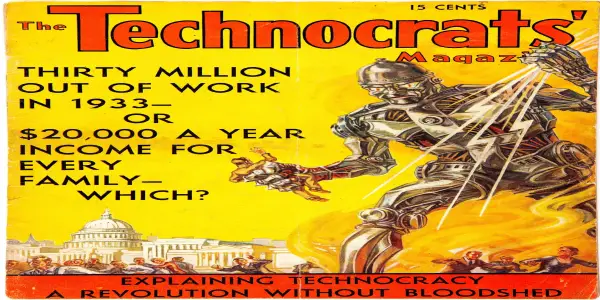
The Rise of Technocracy in Modern Governance
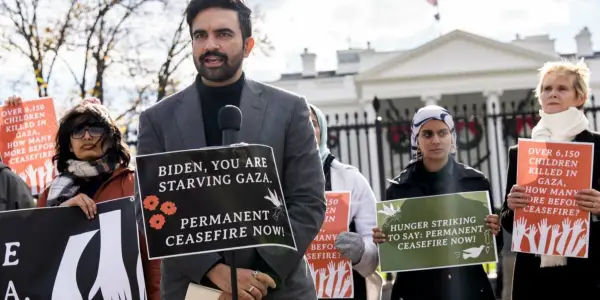
Mamdani's Victory: A Turning Point for the...

Cuban Authorities Engage in Deadly Clash with...

Revitalizing Relations: The Future of the...
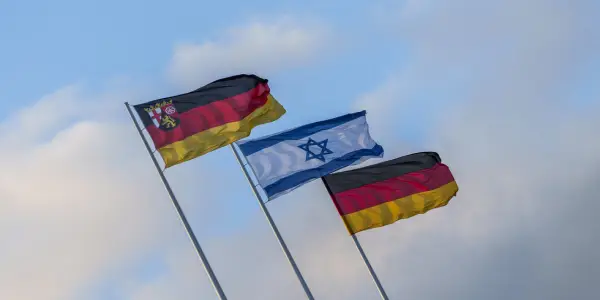
Germany Resumes Arms Exports to Israel Amid...

The Evolving Landscape of Copyright Enforcement...