Chen-Ning Yang: Pioneering Physicist and Advocate for Scientific Collaboration
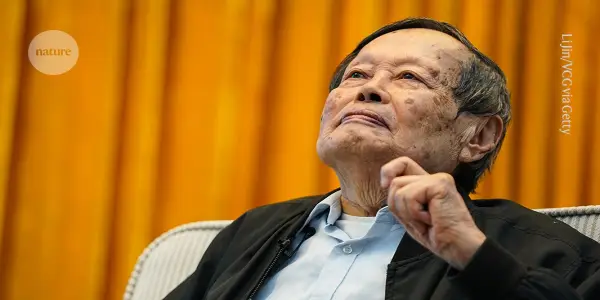
Chen-Ning Yang, a revolutionary physicist known for his work on broken symmetries, has passed away, leaving a legacy of scientific collaboration and groundbr...
In-depth analysis
Background context
Chen-Ning Yang, a pioneering physicist, significantly advanced particle physics through his research on broken symmetries. His collaboration with Tsung-Dao Lee led to revolutionary insights that were experimentally validated, earning them the Nobel Prize in Physics in 1957, marking a historic achievement for Chinese-born scientists.
Key political implications
Yang's work fostered scientific dialogue between the U.S. and China, highlighting the importance of international collaboration in research, especially during periods of geopolitical tension.
Who gains / who loses
The scientific community stands to gain from Yang's legacy of promoting cross-border collaboration, while future generations of physicists may feel the loss of a leading figure who championed the integration of diverse perspectives in research.
Possible future scenarios
Yang's passing may inspire renewed efforts to enhance international scientific cooperation, potentially leading to initiatives that bridge cultural divides and address global challenges through collaborative research.
Did you know?
Why you should know this
Chen-Ning Yang's pioneering research on broken symmetries reshaped our understanding of the universe, influencing technologies like semiconductors and medical imaging. His work highlights the importance of international collaboration in science, serving as a reminder that breakthroughs often arise from diverse perspectives. As global challenges grow, Yang's legacy emphasizes the need for unity in tackling complex problems.
Behind the political curtain
While many know Yang for his Nobel Prize-winning work, fewer realize that his collaboration with Tsung-Dao Lee helped initiate a dialogue between scientists in China and the U.S. at a time when political relations were strained, fostering a unique bridge between cultures through shared scientific inquiry.
Ordinary person in an extraordinary situation
Mei Lin, a graduate student at a major university, found inspiration in Yang's story as she navigates her own path in physics. Growing up in a small town in China, she faced skepticism about pursuing a male-dominated field. Learning about Yang’s journey from Beijing to becoming a Nobel laureate empowered her to challenge stereotypes and embrace her passion. Mei feels a deep connection to Yang's legacy of bridging cultures through science, envisioning a future where her own research can contribute to global collaboration. His life's work fuels her determination to advocate for diversity in STEM, proving that one person's pursuit of knowledge can inspire countless others to follow.
Expert Commentary
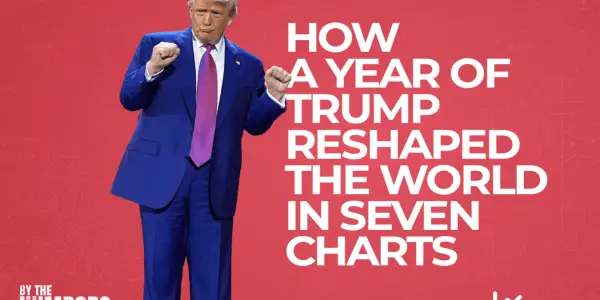
The Impact of Trump's Second Year: A Year of...
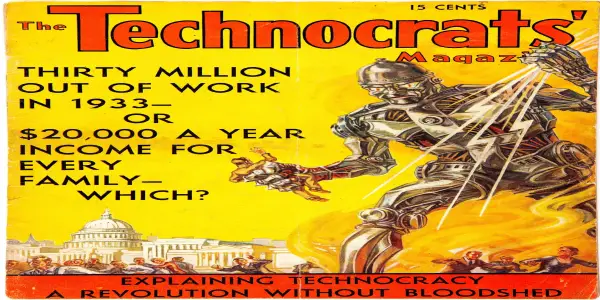
The Rise of Technocracy in Modern Governance
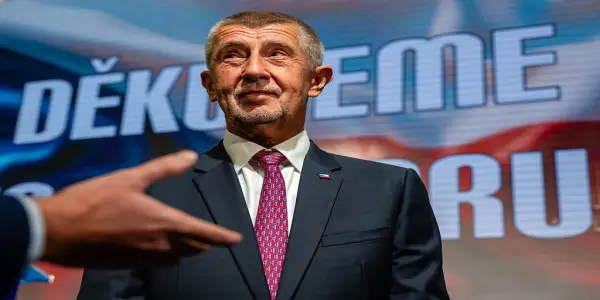
Czech President Appoints Billionaire Former Prime...

Jetpack Navigation 3 Achieves Stability for...
Lessons from Ulysses S. Grant on Civil-Military...

Inquiry Critiques Scottish Government's Covid-19...

European Allies Stand Firm with Denmark Amid U.S....
Peru Sever Diplomatic Relations with Mexico Amid...
Key Insights from Trump's National Security...

Canada Decides Against Public Disclosure of Nazi...

Japan Protests China's Travel Advisory Amid...

Challenges Faced by Costumes in 'Mighty Morphin...
Political Reactions to BBC Leadership Changes...

Exploring Intimacy and Isolation in Claire-Louise...

Cuba Rejects U.S. Security Threat Claims Amid...
Saudi Crown Prince's Invitation to the White...
German Chancellor Merz to Visit Israel for Key...
Limited Expectations as Trump and Xi Approach...
Russian and Indian Foreign Ministers Convene...

The Legacy of French Colonialism: Language and...

U.S. Lawmakers Express Concerns Over Trump...
The Role of Palestinian Statehood in Advancing...
AfD Leader Raises Concerns Over Potential Threats...
Hungarian Prime Minister Viktor Orban Engages...

Egypt Affirms Commercial Nature of Gas Agreement...

Contradictory Signals from Trump and Rubio on...
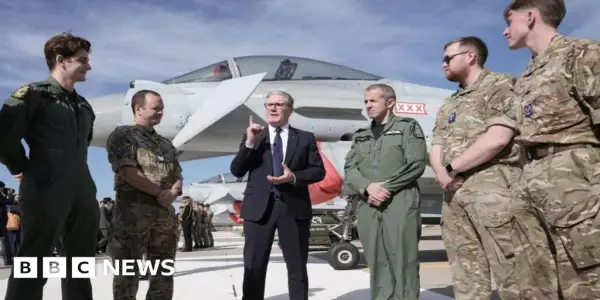
UK Finalizes £8 Billion Typhoon Fighter Jet...
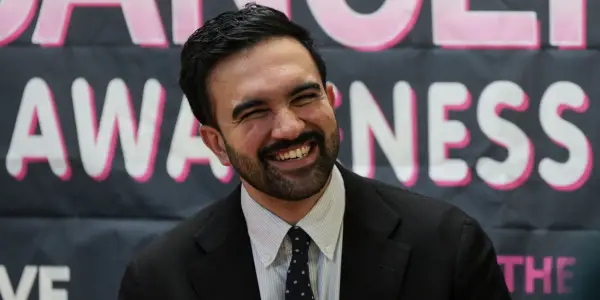
Zohran Mamdani Secures Victory in New York City...

US-South Korea Agreement to Develop...

New Advocacy Report Urges Action Against Child...

New Yorkers Kick Off Early Voting for Mayoral...

Colombia's ELN Rebels Intensify Military Drills...
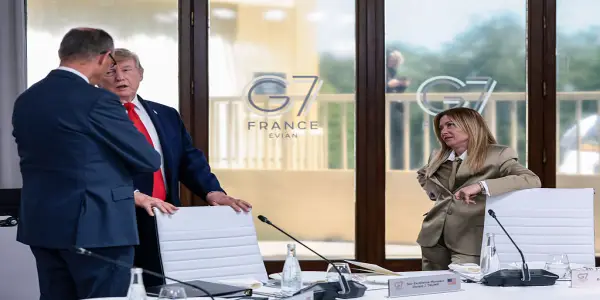
Italy's PM Meloni Responds Firmly to Trump's...
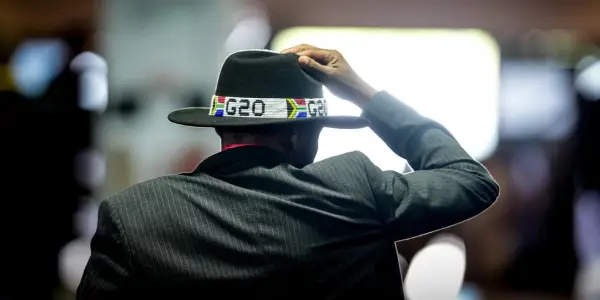
South Africa's G20 Presidency: A Mixed Legacy of...
Bangladesh's Upcoming Election: Key Political...

WWE Raw Recap: Titles Change Hands in Thrilling...
Exiled Russian Orthodox Leader Responds to Spying...
Mark Carney Discusses Political Transition During...
Trump Addresses Nuclear Testing, Government...