The Resurgence of Nuclear Tensions: Analyzing Putin's Role in a New Arms Race
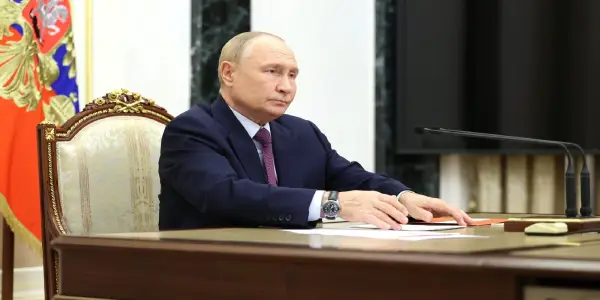
Nuclear tensions are rising as analysts warn of a new arms race driven by Putin's evolving military strategies. Explore how history echoes today's perilous c...
In-depth analysis
Background context
The current geopolitical climate echoes the Cold War era, particularly in terms of nuclear tensions. The proliferation of nuclear weapons has shifted the dynamics, with numerous nations now possessing such capabilities, unlike the previous superpower monopoly. This evolution raises significant concerns about global security and the potential for catastrophic conflict.
Key political implications
The resurgence of nuclear tensions could reshape international alliances and provoke a reevaluation of defense strategies among nuclear and non-nuclear states alike. This shift may lead to heightened military readiness and increased diplomatic efforts to mitigate risks.
Who gains / who loses
Countries with established nuclear arsenals, like the United States and Russia, may find themselves in a strengthened bargaining position. In contrast, nations like Iran could face increased scrutiny and potential isolation, while smaller states may feel pressured to pursue their own nuclear capabilities.
Possible future scenarios
If aggressive military postures continue, the risk of miscalculation could escalate tensions further, potentially leading to a crisis similar to the Cuban Missile Crisis. Conversely, renewed diplomatic efforts might foster stability and reduce the likelihood of nuclear conflict.
Did you know?
Why you should know this
The resurgence of nuclear tensions impacts not just global politics but everyday lives. Communities worldwide must reckon with the possibility of conflict and its consequences. For instance, families in Eastern Europe may experience heightened anxiety about safety and stability, while citizens in nuclear-capable nations might question their governments' strategies, affecting public discourse and policy advocacy.
Behind the political curtain
During the Cold War, the U.S. and Soviet Union relied heavily on a system of espionage and counterintelligence, often using artists and writers as unknowing couriers for sensitive information. This surprising tactic highlights the lengths nations went to in order to maintain an edge in nuclear strategy.
Ordinary person in an extraordinary situation
Consider Maria, a schoolteacher in Warsaw. As she discusses history with her students, the lessons on the Cold War take on a new urgency amid today's geopolitical tensions. Maria finds herself torn between educating her students about the past and addressing their concerns about a possible future conflict. Her classroom becomes a space for open dialogue, where students share fears and hopes, emphasizing the importance of diplomacy and understanding. Maria’s passion for peace inspires her to organize community discussions, bridging the gap between history and the contemporary climate of fear, illustrating how ordinary individuals can contribute to a broader narrative of resilience and awareness.
Jared Isaacman Renominated as NASA Administrator...
Limited Expectations as Trump and Xi Approach...
Contradictory Signals from Trump and Rubio on...

Baden Bower Reduces Pitch-to-Publish Timeline by...
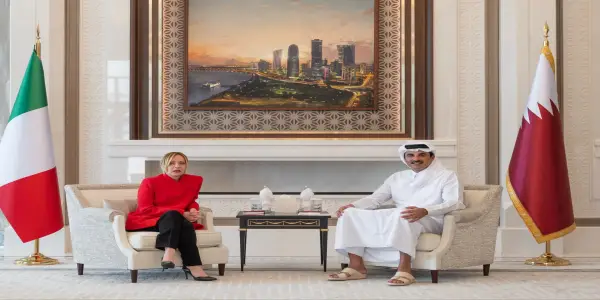
Italy's Meloni Engages with Qatar Emir on Energy...

New Yorkers Kick Off Early Voting for Mayoral...

European Automakers Face New Chip Shortage as...
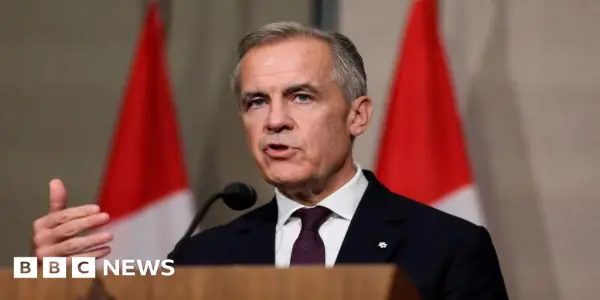
Canada's Carney to Meet Xi in China, Signaling a...

Texas Governor Abbott Designates CAIR as a...
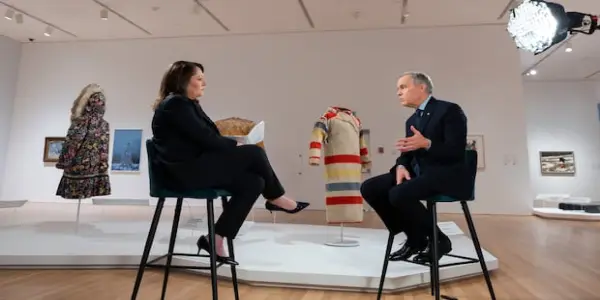
Mark Carney Discusses Political Transition During...

WWE Raw Recap: Titles Change Hands in Thrilling...
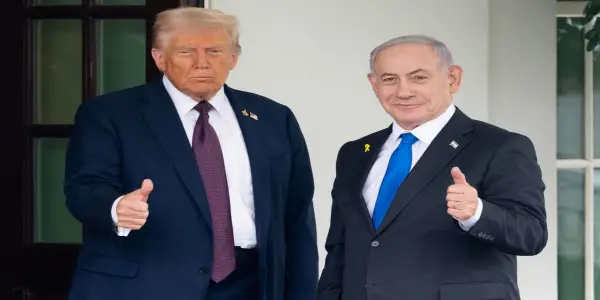
Examining Trump's Claims of Resolving Conflicts:...
European Allies Stand Firm with Denmark Amid U.S....
Canada Decides Against Public Disclosure of Nazi...

NASA Unveils Stunning Images of Interstellar...

Mamdani Emerges Victorious in NYC Mayoral Race...
Denmark's Prime Minister Advocates for Stricter...

EA Raises Concerns Over Sale to Saudi Arabia's...
Hungarian Prime Minister Viktor Orban Engages...
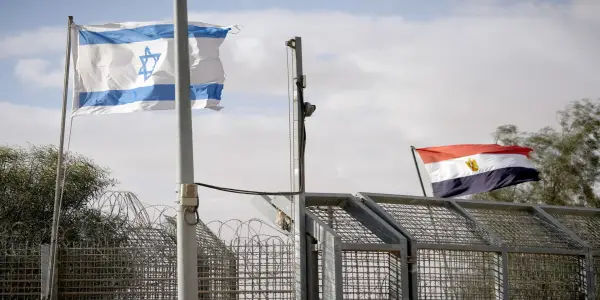
Egypt Affirms Commercial Nature of Gas Agreement...
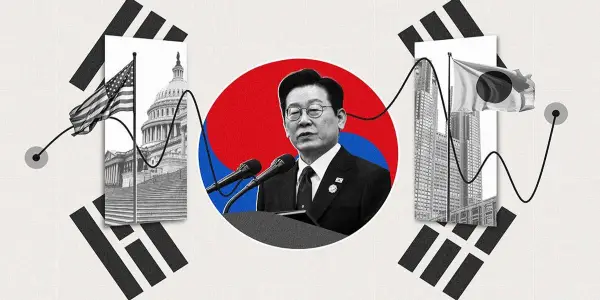
South Korea Rebuilds Trust and Reassesses Foreign...
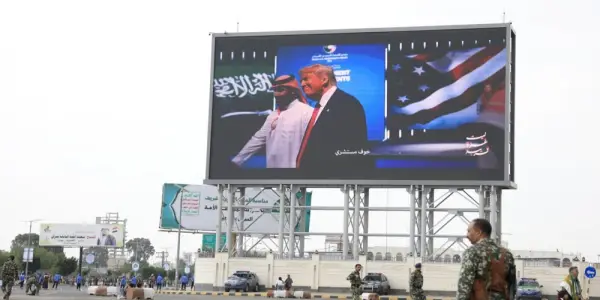
Saudi Crown Prince Mohammed bin Salman Set for...
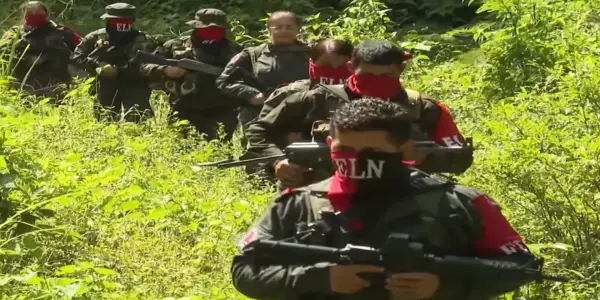
Colombia's ELN Rebels Intensify Military Drills...
Switzerland Faces Economic Challenges Amid U.S....

Exploring Intimacy and Isolation in Claire-Louise...
Democrats Celebrate Recent Wins Amidst Internal...
Japan and Finland in Diplomatic Tension Following...
Jim Avila, Esteemed ABC News Correspondent, Dies...
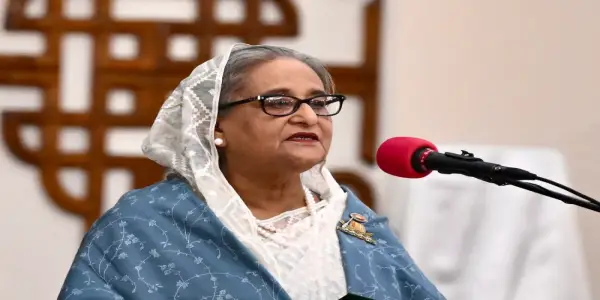
Bangladesh's International Crimes Tribunal...
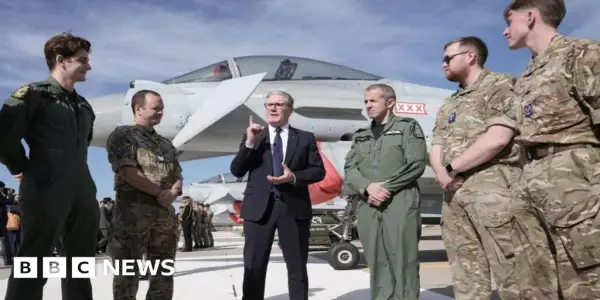
UK Finalizes £8 Billion Typhoon Fighter Jet...
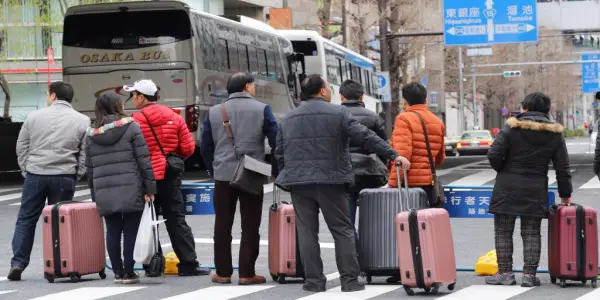
Japan Protests China's Travel Advisory Amid...

Reddit Enhances App Performance with R8...
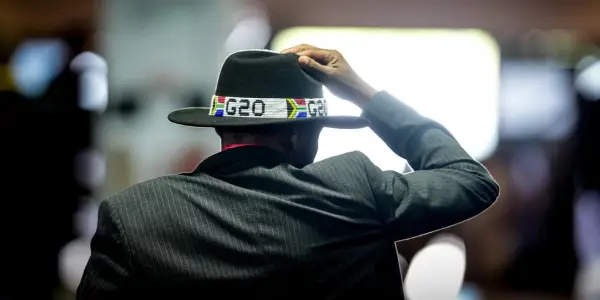
South Africa's G20 Presidency: A Mixed Legacy of...
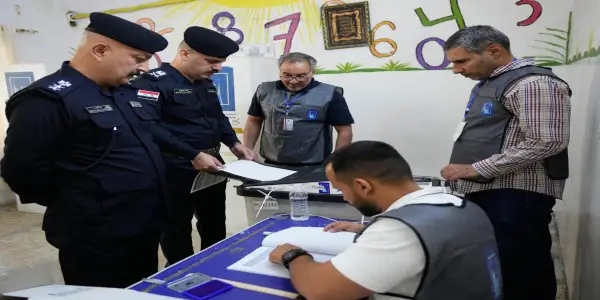
Iraq's Parliamentary Elections: Key Insights...
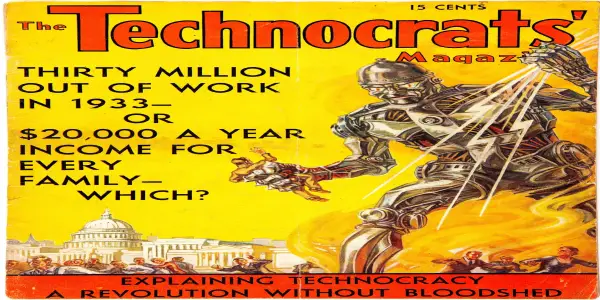
The Rise of Technocracy in Modern Governance

Apple Achieves Unprecedented Financial Success in...
Syria's Foreign Minister Visits China to...

The Fate of the Maquis in Star Trek: A Missed...
Trump Addresses Nuclear Testing, Government...
Mamdani's Victory: A Turning Point for the...