Tinubu Nominates 32 Ambassadors-Designate for Senate Approval
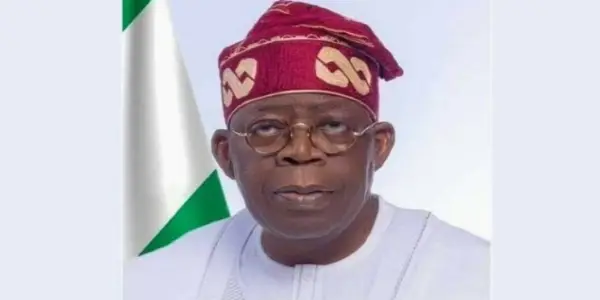
President Bola Tinubu has submitted a list of 32 nominees for ambassadorial positions, comprising both career and non-career diplomats, to the Senate for confirmation.
In-depth analysis
Background context
President Bola Tinubu's recent nomination of 32 individuals for ambassadorial positions marks a strategic effort to enhance Nigeria's global diplomatic engagement. The nominees include both career diplomats and notable figures from various sectors, reflecting a diverse approach to strengthening Nigeria's foreign relations amidst evolving international dynamics.
Key political implications
These nominations signify a potential shift in Nigeria's diplomatic strategy, emphasizing the importance of experienced representatives in key international roles. The Senate's review will be crucial in determining the effectiveness of this new diplomatic direction.
Who gains / who loses
The appointments could benefit Nigeria by enhancing its international standing and influence, particularly in critical areas like trade and security. Conversely, the reliance on non-career nominees may raise concerns about the prioritization of political connections over diplomatic expertise.
Possible future scenarios
If confirmed, these ambassadors could facilitate stronger international partnerships for Nigeria. However, failure to secure Senate approval might hinder the administration's foreign policy goals and diminish Nigeria's diplomatic effectiveness.
Did you know?
Why you should know this
The nomination of 32 ambassadors by President Bola Tinubu could reshape Nigeria's international relationships, directly impacting trade agreements and diplomatic collaborations. As Nigeria navigates economic challenges and global shifts, the effectiveness of these ambassadors will influence everyday life—from job opportunities in international markets to security partnerships that affect citizens' safety. Understanding these appointments highlights how global diplomacy can reverberate locally.
Behind the political curtain
Interestingly, many of the non-career nominees have previously held significant political roles, suggesting a strategic shift in how Nigeria views diplomacy. For instance, Barrister Ogbonnaya Reno previously led the Independent National Electoral Commission, indicating a focus on individuals with governance experience in ambassadorial positions.
Ordinary person in an extraordinary situation
Consider Chijioke, a small business owner in Lagos who imports goods from abroad. With the impending confirmation of new ambassadors, he hopes for improved trade relations that could lower import costs. Chijioke remembers struggling with tariffs and delays in the past, which affected his business’s growth. If the new ambassadors can foster stronger ties and negotiate better trade deals, it could mean a more stable supply chain for him and countless others. For Chijioke, these political appointments aren't just about titles; they represent a potential lifeline that could transform his business and his community's economy.
Jared Isaacman Renominated as NASA Administrator...
Limited Expectations as Trump and Xi Approach...
Contradictory Signals from Trump and Rubio on...

Baden Bower Reduces Pitch-to-Publish Timeline by...
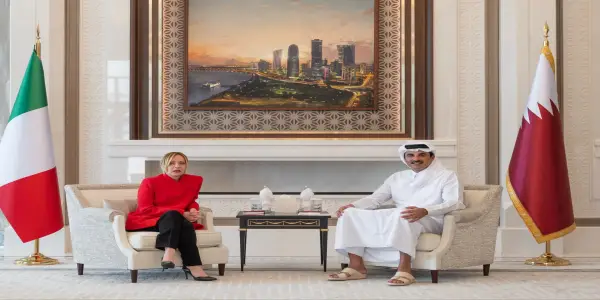
Italy's Meloni Engages with Qatar Emir on Energy...
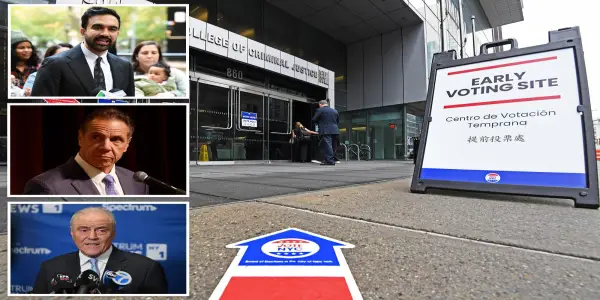
New Yorkers Kick Off Early Voting for Mayoral...

European Automakers Face New Chip Shortage as...
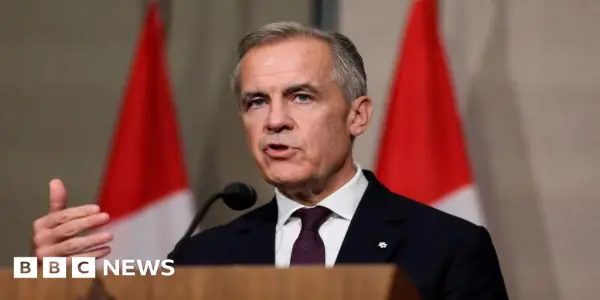
Canada's Carney to Meet Xi in China, Signaling a...
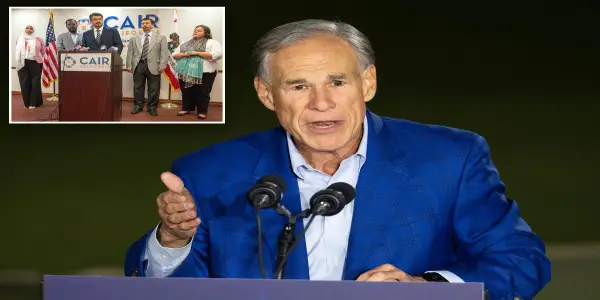
Texas Governor Abbott Designates CAIR as a...
Mark Carney Discusses Political Transition During...

WWE Raw Recap: Titles Change Hands in Thrilling...
Examining Trump's Claims of Resolving Conflicts:...

European Allies Stand Firm with Denmark Amid U.S....

Canada Decides Against Public Disclosure of Nazi...

NASA Unveils Stunning Images of Interstellar...

Mamdani Emerges Victorious in NYC Mayoral Race...
Denmark's Prime Minister Advocates for Stricter...

EA Raises Concerns Over Sale to Saudi Arabia's...
Hungarian Prime Minister Viktor Orban Engages...

Egypt Affirms Commercial Nature of Gas Agreement...
South Korea Rebuilds Trust and Reassesses Foreign...

Saudi Crown Prince Mohammed bin Salman Set for...

Colombia's ELN Rebels Intensify Military Drills...
Switzerland Faces Economic Challenges Amid U.S....

Exploring Intimacy and Isolation in Claire-Louise...
Democrats Celebrate Recent Wins Amidst Internal...
Japan and Finland in Diplomatic Tension Following...
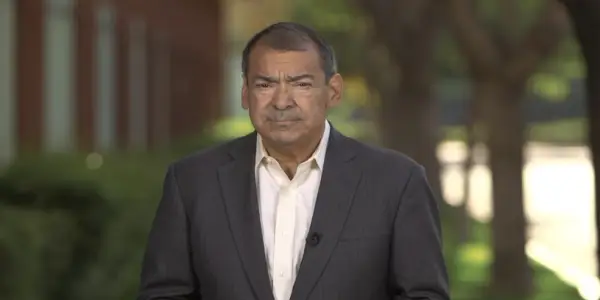
Jim Avila, Esteemed ABC News Correspondent, Dies...
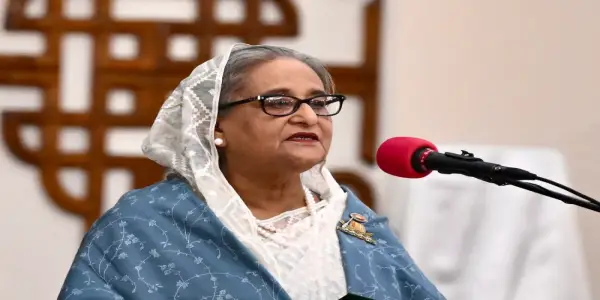
Bangladesh's International Crimes Tribunal...
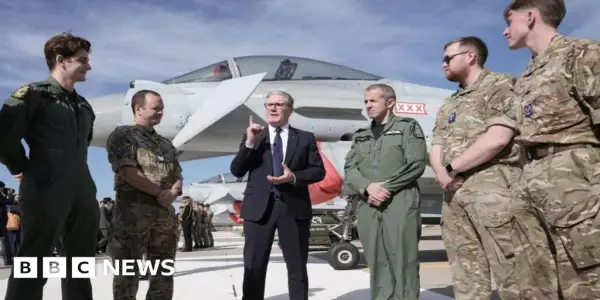
UK Finalizes £8 Billion Typhoon Fighter Jet...
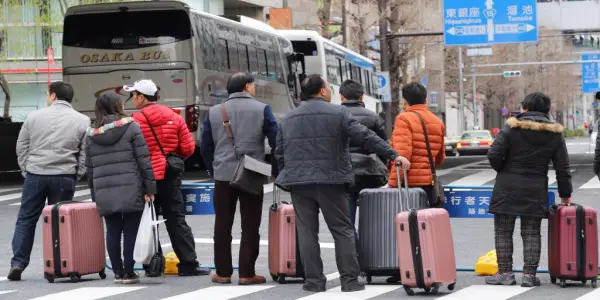
Japan Protests China's Travel Advisory Amid...

Reddit Enhances App Performance with R8...
South Africa's G20 Presidency: A Mixed Legacy of...

Iraq's Parliamentary Elections: Key Insights...

The Rise of Technocracy in Modern Governance

Apple Achieves Unprecedented Financial Success in...
Syria's Foreign Minister Visits China to...

The Fate of the Maquis in Star Trek: A Missed...
Trump Addresses Nuclear Testing, Government...
Mamdani's Victory: A Turning Point for the...