Cameroon Presidential Election: Paul Biya Eyes Eighth Term Amidst National Challenges
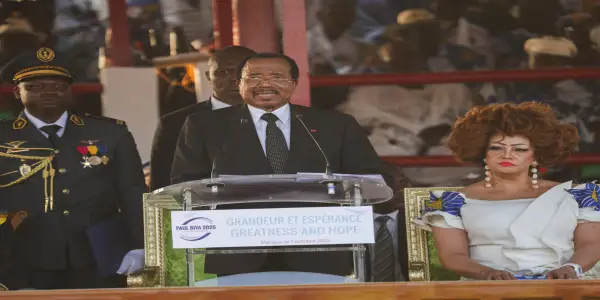
Cameroon prepares for a pivotal presidential election as Paul Biya aims for an eighth term amid rising food prices, youth unemployment, and deepening nationa...
In-depth analysis
Background context
Cameroon is gearing up for a presidential election in October, with incumbent Paul Biya expected to secure an eighth term. His lengthy rule since 1982 has been marred by economic challenges, high unemployment, and armed conflicts. Despite the country's rich natural resources, many citizens face poverty and view the electoral process as biased towards the ruling party.
Key political implications
Biya's anticipated victory may reinforce his authoritarian grip on power, stifling democratic progress. The election outcome could also signal the ruling party's resilience amidst growing public dissatisfaction and unrest.
Who gains / who loses
If Biya wins, he solidifies his control, benefiting from military and ethnic support, while opposition groups may face further marginalization. Citizens hoping for reform could see their aspirations dashed, perpetuating economic and social struggles.
Possible future scenarios
Should Biya secure another term, continued unrest and disillusionment may escalate among the populace. Alternatively, any significant opposition success could trigger political shifts, potentially challenging the status quo and igniting calls for change.
Did you know?
Why you should know this
The upcoming presidential election in Cameroon isn’t just a political event; it directly impacts the lives of millions. With rising food prices and unemployment, many families are struggling to make ends meet. As citizens head to the polls, their votes will influence policies that could alleviate poverty and address the ongoing armed conflicts, making this election pivotal for their everyday survival.
Behind the political curtain
Despite being one of Africa's wealthiest nations due to its natural resources, Cameroon ranks among the lowest in terms of economic freedom. Over 30% of the population lives below the poverty line, revealing a stark disconnect between resource wealth and citizens' well-being.
Ordinary person in an extraordinary situation
Meet Marie, a 34-year-old mother of three living in Douala. With her husband out of work, she juggles part-time jobs while navigating the rising costs of basic necessities. Marie feels disillusioned by the election, believing that her vote won’t change the status quo. Yet, she decides to participate, hoping to voice her silent struggles and those of her community. For her, this election is not just about leadership; it’s about survival and the possibility of a better future for her children. Her experience encapsulates the broader sentiment of Cameroonians who are torn between apathy and the desperate hope for change.
Expert Commentary

Jared Isaacman Renominated as NASA Administrator...
Limited Expectations as Trump and Xi Approach...

Contradictory Signals from Trump and Rubio on...

Baden Bower Reduces Pitch-to-Publish Timeline by...
Italy's Meloni Engages with Qatar Emir on Energy...

New Yorkers Kick Off Early Voting for Mayoral...

European Automakers Face New Chip Shortage as...
Canada's Carney to Meet Xi in China, Signaling a...
Texas Governor Abbott Designates CAIR as a...
Mark Carney Discusses Political Transition During...

U.S. Lawmakers Express Concerns Over Trump...
Examining Trump's Claims of Resolving Conflicts:...
The Legacy of French Colonialism: Language and...

Canada Decides Against Public Disclosure of Nazi...

NASA Unveils Stunning Images of Interstellar...

Mamdani Emerges Victorious in NYC Mayoral Race...

Denmark's Prime Minister Advocates for Stricter...

EA Raises Concerns Over Sale to Saudi Arabia's...
Hungarian Prime Minister Viktor Orban Engages...
Egypt Affirms Commercial Nature of Gas Agreement...
South Korea Rebuilds Trust and Reassesses Foreign...
Saudi Crown Prince Mohammed bin Salman Set for...
Colombia's ELN Rebels Intensify Military Drills...
Switzerland Faces Economic Challenges Amid U.S....

Exploring Intimacy and Isolation in Claire-Louise...
Democrats Celebrate Recent Wins Amidst Internal...

Japan and Finland in Diplomatic Tension Following...
Jim Avila, Esteemed ABC News Correspondent, Dies...
Bangladesh's International Crimes Tribunal...
UK Finalizes £8 Billion Typhoon Fighter Jet...
Japan Protests China's Travel Advisory Amid...

Reddit Enhances App Performance with R8...
South Africa's G20 Presidency: A Mixed Legacy of...
Iraq's Parliamentary Elections: Key Insights...

The Rise of Technocracy in Modern Governance

Apple Achieves Unprecedented Financial Success in...

Syria's Foreign Minister Visits China to...

The Fate of the Maquis in Star Trek: A Missed...
Trump Addresses Nuclear Testing, Government...
Mamdani's Victory: A Turning Point for the...