James Webb Telescope Reveals Potential Atmosphere on TRAPPIST-1e, an Earth-Sized Exoplanet
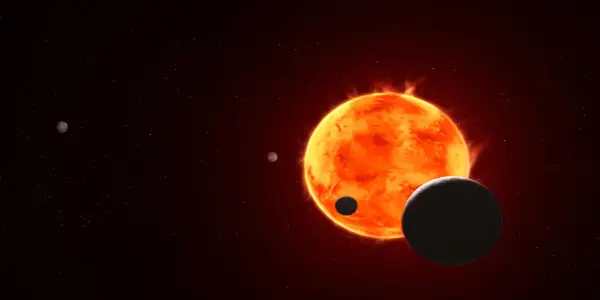
Astronomers utilizing the James Webb Space Telescope (JWST) are investigating TRAPPIST-1e, an exoplanet located 40 light years away, which may have the conditions necessary for liquid water. Initial findings indicate possible atmospheric characteristics, though uncertainties remain.
In-depth analysis
New discoveries
Recent research has unveiled intriguing possibilities regarding the atmosphere of TRAPPIST-1e, suggesting it may harbor a secondary atmosphere capable of supporting liquid water. This discovery is pivotal for understanding the conditions that could allow life to exist on exoplanets, as researchers explore the implications of various atmospheric compositions.
Mission updates
The James Webb Space Telescope has successfully utilized its Near-Infrared Spectrograph to analyze TRAPPIST-1e, providing vital data during the planet's transits. This ongoing research is crucial for unraveling the complexities of exoplanetary atmospheres.
Who is affected
The findings from TRAPPIST-1e's atmospheric studies could significantly impact the scientific community, particularly astronomers and astrobiologists. These insights may also influence public interest in space exploration and the search for extraterrestrial life, fostering a deeper understanding of our universe.
Next steps
Future investigations will focus on further observations of TRAPPIST-1e, alongside comparative studies with TRAPPIST-1b. These efforts aim to deepen knowledge of exoplanet atmospheres and assess their potential for supporting life.
Did you know?
Why we should care
The quest to uncover the secrets of TRAPPIST-1e could reshape our understanding of life's potential beyond Earth. As scientists probe this exoplanet for signs of liquid water, the implications extend to our daily lives—fueling interest in space exploration, inspiring future generations, and possibly hinting at new worlds where life could thrive. Such discoveries challenge our perceptions of the universe and our place within it.
The universe's unsolved mystery
TRAPPIST-1e presents an intriguing puzzle: can a planet, stripped of its primordial atmosphere, develop a secondary one conducive to life? This question underscores a broader mystery in astrobiology—how do conditions for life emerge in the vast cosmos? The answers could redefine the frameworks through which we search for extraterrestrial life.
The person who looks at the stars
Meet Emma Reyes, a high school science teacher in Phoenix, who inspires her students to dream beyond the classroom walls. Every Friday night, she hosts stargazing sessions at a local park, where her students gather to explore the night sky. Emma often shares the latest discoveries about exoplanets like TRAPPIST-1e, igniting their curiosity about the universe. For her, the possibility of liquid water on another planet isn’t just a scientific concept; it represents hope for humanity's future. Emma believes that understanding these celestial bodies can empower her students to imagine their own potential paths in science and exploration, fostering a sense of connection to the universe that transcends their everyday experiences.
Expert Commentary
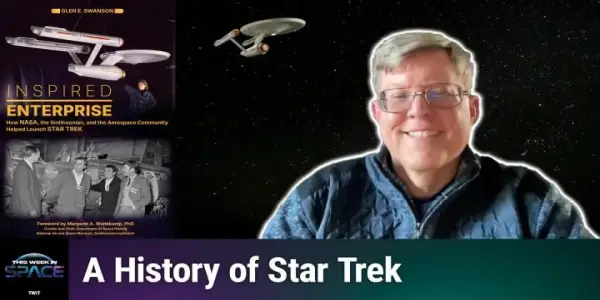
This Week In Space Podcast: Episode 187 Explores...
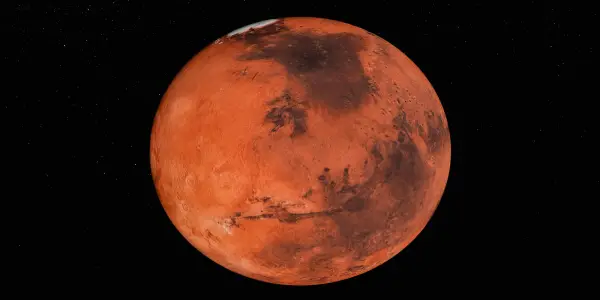
NASA's Ambitious Timeline for Human Exploration...

Samsung's Galaxy S26 Ultra Set for Significant...
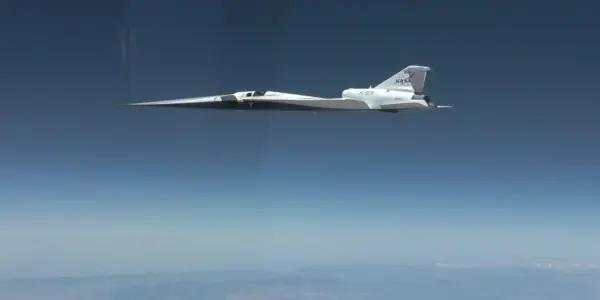
NASA's X-59 Achieves Historic Supersonic Flight
SabreSat: An Innovative Air-Breathing Satellite...
NASA Unveils New Images of Interstellar Comet...
Study Suggests the Universe's Expansion May Be...
Breakthrough in Milky Way Simulation Using AI...
Exploring the Composition of Cosmic Voids
The Impact of Space Technology on Everyday Life
Astrophysicists Unveil Dark Universe Through...
China's Mars Orbiter Captures Image of...
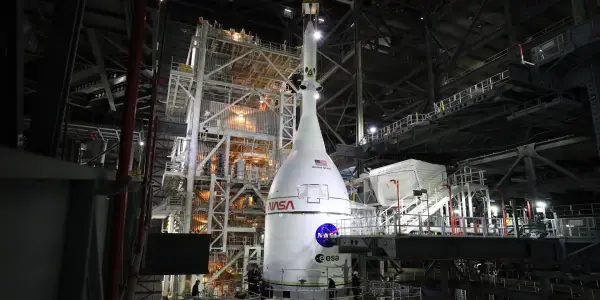
NASA Advances Artemis 2 Mission with Orion...
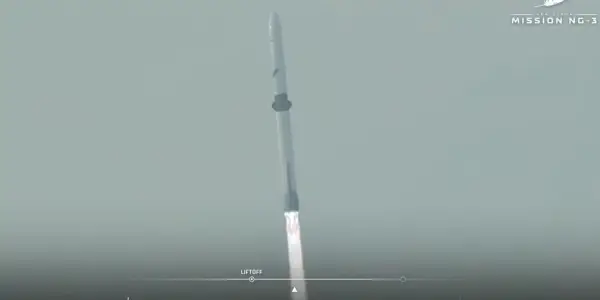
Blue Origin Faces Major Setback as New Glenn...
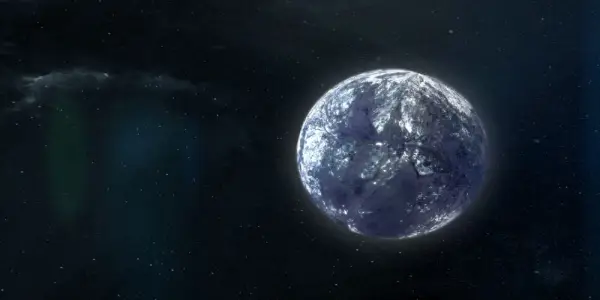
Rogue Moons: A New Frontier for Life Beyond Stars
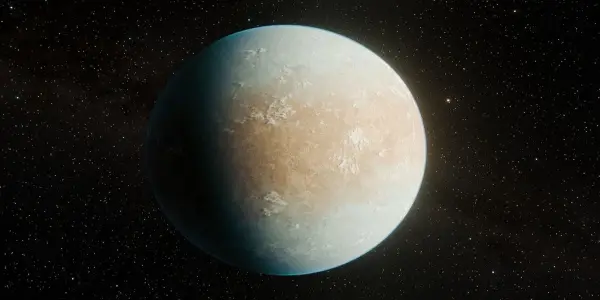
Astronomers Identify Potential Earth-Like...

Lenovo's Legion Tab Gen 3 Sees Significant Black...
Mapping the Invisible: Astronomers Uncover Dark...
NASA's Artemis 3 Moon Mission Delayed to 2028 Due...
NASA's Campaign to Monitor Interstellar Comet...
Astronomers Uncover Evidence of Aging Stars...
Unistellar eQuinox 2 Smart Telescope Sees...
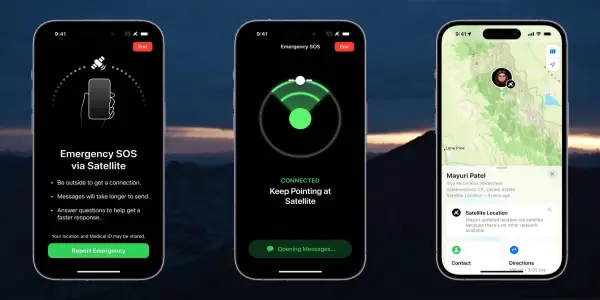
Apple Introduces Emergency SOS via Satellite in...
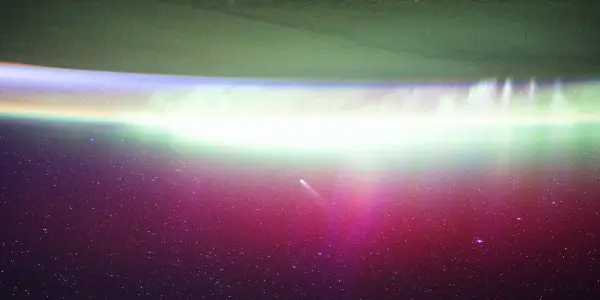
Astronauts aboard the ISS Capture Stunning Images...

FULU Foundation Introduces Repair Bounty System...
Astronomers Identify Three Earth-Sized Exoplanets...
Webb Telescope Reveals Unprecedented Cosmic...
Astrophotographer Captures Stunning Image of...
Enhance Your Weather Preparedness with Weather...
Italian Producer Plans Historic Film to Shoot in...

Samsung Unveils Unprecedented Black Friday Deal...
Innovative Portable Reflecting Telescope...
Unusual Wind from Neutron Star Challenges Space...
Congress Questions NASA's Facility Closures Amid...

Childcare Crisis: Families Struggle as...
Intense Solar Storms Could Ignite Life on...
James Webb Space Telescope Captures Stunning...
Russian Cosmonauts Conduct Extended Spacewalk to...

Samsung Galaxy S26 Expected to Feature Enhanced...
Euclid Space Telescope Discovers Hidden Stars in...