White House Indicates Potential for Future Putin-Trump Summit Amid Ongoing Tensions
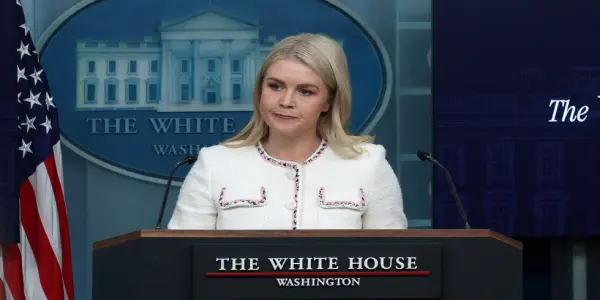
The Trump administration has postponed a meeting with Russian President Vladimir Putin, but officials suggest that a summit remains a possibility as diplomatic efforts continue.
In-depth analysis
Background context
U.S.-Russia relations have been historically tumultuous, particularly following the 2014 annexation of Crimea, which triggered sanctions and diplomatic tensions. The recent postponement of a summit, initially intended to address escalating issues like the Ukraine conflict, highlights the ongoing complexities in international diplomacy between these two nations.
Key political implications
The postponement of the summit underscores the delicate balance the U.S. must maintain in its foreign policy, as it seeks to apply pressure on Russia while still leaving room for potential diplomatic engagement.
Who gains / who loses
While the U.S. government aims to reinforce its stance against Russian aggression through sanctions, this approach may alienate potential allies and hinder diplomatic solutions. Conversely, Russia may gain leverage by portraying itself as a victim of U.S. pressure, complicating the geopolitical landscape.
Possible future scenarios
Future developments may include renewed diplomatic efforts if both sides reconsider their positions. Alternatively, continued sanctions could exacerbate tensions, leading to further isolation for Russia and a more confrontational stance from the U.S.
Did you know?
Why you should know this
Understanding the potential summit between the U.S. and Russia illuminates the nuances of international relations that affect daily life. Economic sanctions can lead to higher energy prices and fluctuating markets, impacting everything from your gas bill to global trade. Being informed about these diplomatic efforts allows you to grasp how geopolitical decisions ripple through your community.
Behind the political curtain
In 2014, following the annexation of Crimea, the U.S. imposed over 1,000 sanctions against Russia, which has since led to a significant decline in Russian foreign investments. Surprisingly, many of these measures were aimed at individuals and sectors directly linked to the Kremlin, yet the U.S. economy remained largely unaffected.
Ordinary person in an extraordinary situation
Consider Maria, a small business owner in Ohio who relies on imported goods for her boutique. With the ongoing tensions between the U.S. and Russia, she faces rising costs due to sanctions impacting supply chains. Each day, Maria grapples with pricing decisions, worried that higher costs will drive away her loyal customers. Her story exemplifies how international diplomacy isn’t just a political chess game; it's a tangible reality for everyday Americans, influencing their livelihoods and futures. As negotiations continue, Maria remains hopeful that a resolution will pave the way for stable prices and the return of normalcy to her business.
Expert Commentary
South Korea Initiates First Military Talks with...

Exploring Intimacy and Isolation in Claire-Louise...

Peru Sever Diplomatic Relations with Mexico Amid...
Saudi Crown Prince Mohammed bin Salman Set for...
China's Shift to a Cautious Research Strategy...
Czech President Appoints Billionaire Former Prime...

Golden Snub-Nosed Monkeys Make European Debut in...
Trump Addresses Nuclear Testing, Government...

Bhutan's Complex Relationship with India: A...
Jared Isaacman Renominated as NASA Administrator...
Iraq's Parliamentary Elections: Key Insights...
Is the U.S. Reassessing Its Stance on Israel...
The Role of Palestinian Statehood in Advancing...
Egypt Affirms Commercial Nature of Gas Agreement...
South Africa's G20 Presidency: A Mixed Legacy of...
Mark Carney Discusses Political Transition During...
Lessons from Ulysses S. Grant on Civil-Military...
Bangladesh's Upcoming Election: Key Political...
Democrats Celebrate Recent Wins Amidst Internal...
U.S. Embassies Redefine Human Rights:...
Canada and China Take Steps Toward Repairing...

U.S. Authorities Detain British Journalist Linked...

U.S. Lawmakers Express Concerns Over Trump...
Canada's Carney to Meet Xi in China, Signaling a...
Jim Avila, Esteemed ABC News Correspondent, Dies...
South Korea Rebuilds Trust and Reassesses Foreign...
Geopolitical Tensions Surround Palau Amid...
The Rise of Technocracy in Modern Governance

NFL Players Union Faces Grievance Over Annual...
Bangladesh Seeks India's Assistance in...

Challenges Faced by Costumes in 'Mighty Morphin...
Trump Appoints Special Envoy to Greenland,...
Javier Milei's Victory Signals a Shift in...

The Evolving Landscape of Copyright Enforcement...

Baden Bower Reduces Pitch-to-Publish Timeline by...
Italy's PM Meloni Responds Firmly to Trump's...
Cuba Rejects U.S. Security Threat Claims Amid...

The Fate of the Maquis in Star Trek: A Missed...
Hungarian Prime Minister Viktor Orban Engages...

Ireland Moves Forward with Bill Targeting Israeli...