Mark Your Calendars: International Observe the Moon Night 2025 Set for October 4
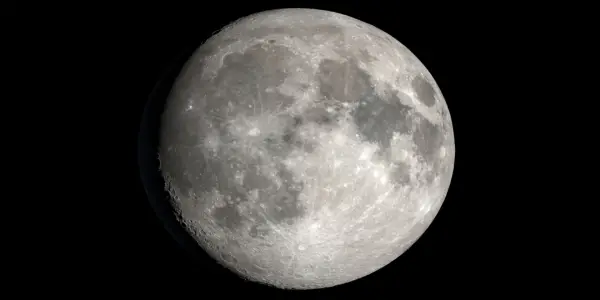
Join NASA on October 4, 2025, for International Observe the Moon Night and discover the moon's wonders, including the Pythagoras Crater and more. Don't miss it!
In-depth analysis
New discoveries
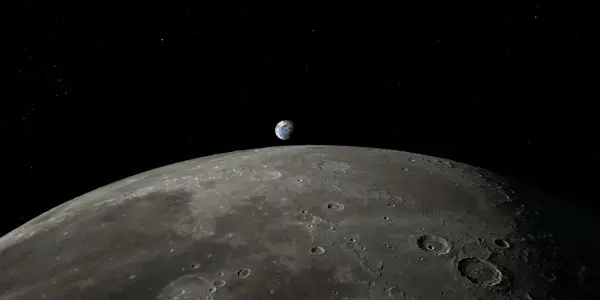
The upcoming International Observe the Moon Night will unveil intriguing lunar features, including the Pythagoras and Schickard Craters, as well as the Byrgius impact site. Observers will also explore Mare Nubium, a vast basalt plain with craters that reveal evidence of ancient volcanic activity, enriching our understanding of the moon's geological history.
Mission updates
NASA's International Observe the Moon Night is set for October 4, 2025, encouraging global participation in lunar observation. This initiative aims to enhance public interest and knowledge about lunar exploration.
Who is affected
The event appeals to a diverse audience, including astronomy enthusiasts, students, and casual observers. Communities worldwide are invited to engage in lunar observation, fostering a collective appreciation for the moon and its scientific significance.
Next steps
Participants are encouraged to prepare for the event by gathering observation tools and planning their viewing locations. Sharing photographs and experiences post-event will further enrich community engagement and interest in lunar studies.
Did you know?
Why we should care
International Observe the Moon Night isn't just about stargazing; it’s a chance to appreciate our place in the universe. Engaging with the moon can inspire curiosity about science and technology, sparking interest in fields like astronomy, engineering, and environmental studies. For families, it’s an opportunity to bond over a shared experience, turning a simple night out into a memorable exploration of our cosmic neighbor.
The universe's unsolved mystery
The moon remains a treasure trove of unanswered questions, from its formation to the potential for water ice in its shadowy craters. Understanding these mysteries may unlock secrets about the early solar system and even offer insights into the origins of life on Earth. As we observe the moon, we also reflect on humanity's quest for knowledge and the enduring allure of the unknown.
The person who looks at the stars
Meet Clara Jensen, a high school science teacher in a small town. Every year, she takes her students to observe the moon during International Observe the Moon Night. For Clara, this event is more than just a lesson in astronomy; it's a way to ignite passion in her students. As they gaze through telescopes, the awe in their eyes mirrors her own childhood wonder. She shares stories of how the moon has inspired poets, scientists, and dreamers alike. Through her efforts, Clara cultivates a community of young explorers who see the moon not just as a rock in the sky, but as a gateway to understanding the universe and their place within it.
Expert Commentary
Ancient Galaxies: A Chaotic Early Universe...
Russian Cosmonauts Conduct Extended Spacewalk to...

Samsung Unveils Unprecedented Black Friday Deal...
SpaceX Achieves 150th Falcon 9 Launch with...
Assessing the Financial Impact of NASA's Apollo...
India Successfully Launches CMS-03 Military...
NASA's Campaign to Monitor Interstellar Comet...
Discovery of a Planet Formation Zone Beyond...
Interstellar Comet 3I/ATLAS Approaches...
Webb Telescope Reveals Unprecedented Cosmic...

SabreSat: An Innovative Air-Breathing Satellite...
Exploring the Composition of Cosmic Voids
James Webb Space Telescope May Have Detected the...
James Webb Space Telescope Discovers Ancient...
NASA's Ambitious Timeline for Human Exploration...
Unistellar eQuinox 2 Smart Telescope Sees...
Blue Origin Faces Major Setback as New Glenn...

Urwerk Unveils Limited-Edition 100V 'LightSpeed'...

Daily Roundup: November 10, 2025 – Advancements...

Satellite Imagery Reveals Extensive Damage Across...
Jupiter's Moons Io and Europa to Cast Shadows...
Astronomers Identify Three Earth-Sized Exoplanets...

Apple Introduces Emergency SOS via Satellite in...
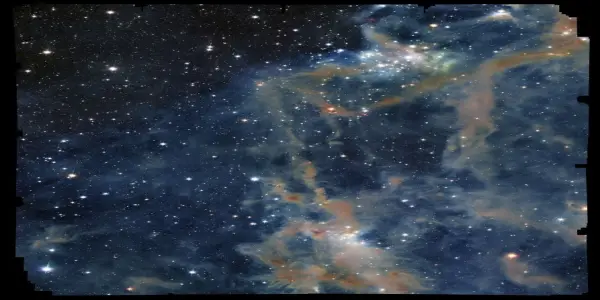
Euclid Space Telescope Discovers Hidden Stars in...
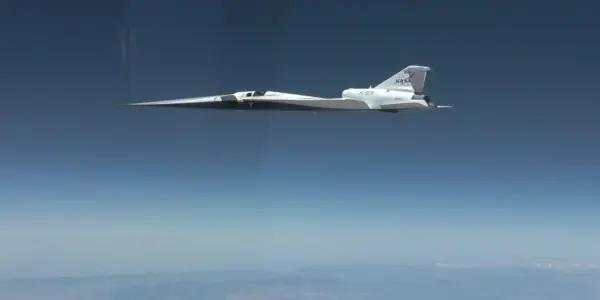
NASA's X-59 Achieves Historic Supersonic Flight
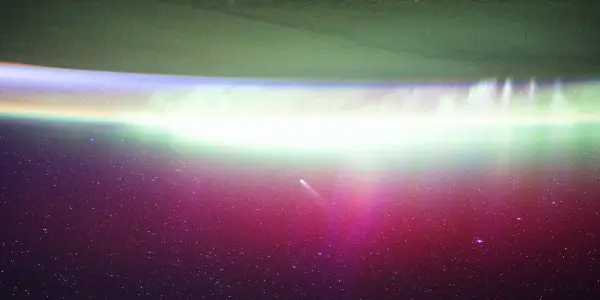
Astronauts aboard the ISS Capture Stunning Images...
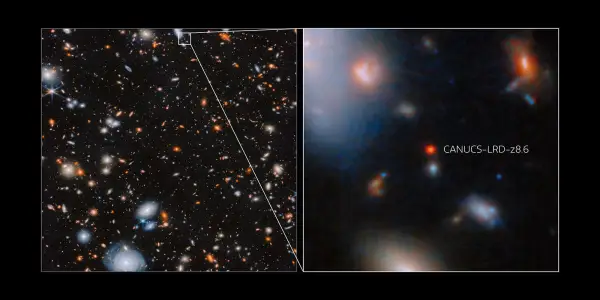
James Webb Telescope Identifies Rapidly Growing...
Young Canadian Astronomer Identifies Two...

X-Men Return to Education in Upcoming Comic...
Intense Solar Storm May Illuminate Skies Across...
Potential Alien Disclosure May Trigger Bitcoin...
Artemis 2 Astronauts Safely Return After Historic...
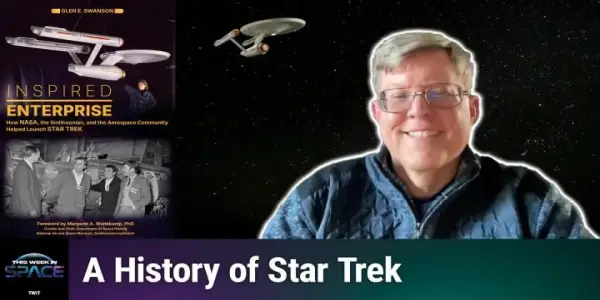
This Week In Space Podcast: Episode 187 Explores...
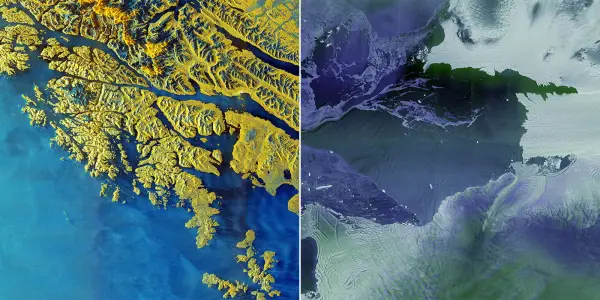
European Space Agency Unveils Stunning Radar...

Charlotte: The Lunar 3D Printer Poised to...

Exploring Alternatives to the Meta Quest 3 Elite...
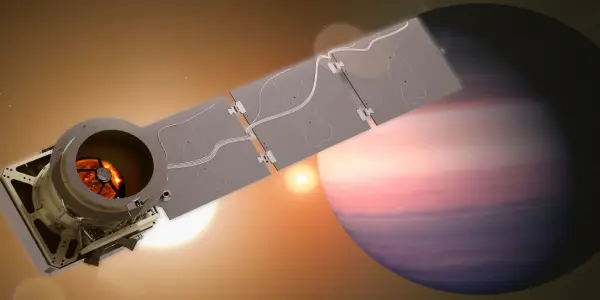
SpaceX Set to Launch NASA's Pandora Exoplanet...
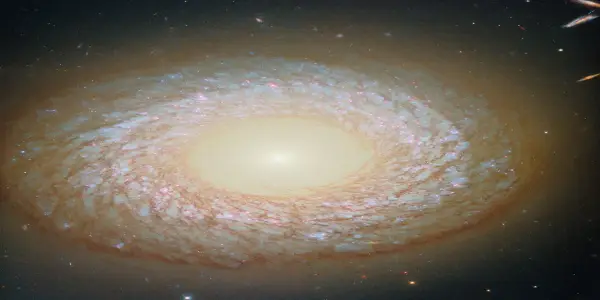
Hubble Telescope Unveils Enigmatic Galaxy NGC 2775