Brazil's President Lula Declares No Ties with Trump in BBC Interview
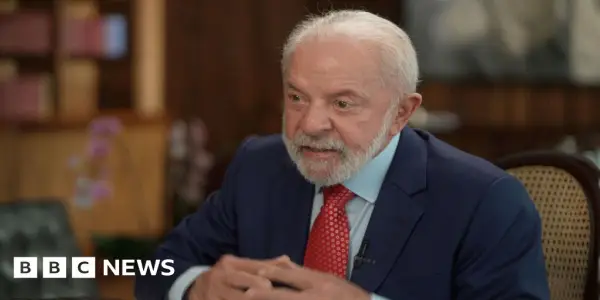
In a recent exclusive interview, Brazilian President Luiz Inácio Lula da Silva asserts that he maintains no relationship with former President Donald Trump, emphasizing the lack of direct communication between the two leaders.
In-depth analysis
Background context
Brazilian President Luiz Inácio Lula da Silva's recent remarks reflect a deteriorating diplomatic relationship with former U.S. President Donald Trump. Lula's criticism stems from Trump's trade tariffs, which have negatively impacted key Brazilian exports. The historical context of U.S.-Brazil relations has been marked by fluctuations, particularly during Lula's and Trump's presidencies.
Key political implications
Lula's comments may strain Brazil-U.S. relations further, complicating trade negotiations and diplomatic efforts. His stance signals a shift in Brazil's foreign policy priorities, emphasizing independence from U.S. influence.
Who gains / who loses
Brazilian industries, particularly coffee and beef producers, are likely to suffer from ongoing U.S. tariffs, while Lula's assertive stance may resonate positively with domestic audiences seeking a more autonomous foreign policy. Conversely, Trump may leverage this discord to bolster his political narrative.
Possible future scenarios
If tensions persist, Brazil may seek to strengthen ties with alternative global partners, potentially reshaping trade dynamics. Conversely, a shift in U.S. leadership could reopen avenues for dialogue and trade negotiations.
Did you know?
Why you should know this
Understanding Lula's remarks is vital as they reflect Brazil's struggle against U.S. trade policies that directly affect everyday products like coffee and beef. Tariffs imposed by the U.S. can lead to higher prices for consumers globally, impacting grocery bills and the livelihoods of Brazilian farmers. This situation illustrates the intricate web of international trade and its direct repercussions on local economies.
Behind the political curtain
A lesser-known fact about Lula's presidency is his previous efforts to strengthen ties with various global leaders, often focusing on cooperation over conflict. Unlike Trump, Lula's diplomatic style emphasizes building relationships, which he has historically achieved through personal outreach rather than social media.
Ordinary person in an extraordinary situation
Maria Andrade, a coffee farmer in Minas Gerais, Brazil, faces uncertainty as U.S. tariffs on Brazilian coffee threaten her livelihood. With each shipment, Maria watches the prices fluctuate, feeling the pressure of a global market influenced by political decisions. She recalls how her family has farmed coffee for generations, and the thought of losing that heritage weighs heavily on her. Maria dreams of exporting her premium beans to international markets, but the looming tariffs cast a shadow over her aspirations. Her story exemplifies how political tensions ripple through local communities, where farmers like her are caught in the crossfire of international relations. Maria's resilience shines through as she advocates for fair trade practices, hoping that her voice will reach beyond her fields and influence policymakers.
Expert Commentary
Switzerland Faces Economic Challenges Amid U.S....
Japan Protests China's Travel Advisory Amid...
Russian and Indian Foreign Ministers Convene...
Analyzing Trump's Latin America Strategy Amid...
Kenya Urges Protection for Citizens Amid...
Denmark's Prime Minister Advocates for Stricter...
Trump Appoints Special Envoy to Greenland,...
U.S. Embassies Redefine Human Rights:...

Apple Achieves Unprecedented Financial Success in...
Mamdani Emerges Victorious in NYC Mayoral Race...
WWE Raw Recap: Titles Change Hands in Thrilling...
Tarique Rahman's Homecoming: A Potential Turning...
Sias University Adapts to Modern Educational...
Germany Resumes Arms Exports to Israel Amid...
UK Finalizes £8 Billion Typhoon Fighter Jet...
Spain's Attorney General Convicted in...
AfD Leader Raises Concerns Over Potential Threats...
European Allies Stand Firm with Denmark Amid U.S....
The Impact of Trump's Second Year: A Year of...
Canada and China Take Steps Toward Repairing...
Canada's Carney to Meet Xi in China, Signaling a...
NFL Players Union Faces Grievance Over Annual...
Peru Sever Diplomatic Relations with Mexico Amid...
Misjudgments in Military Strategy: The Lessons...
Limited Expectations as Trump and Xi Approach...
Contradictory Signals from Trump and Rubio on...
Isaac Asimov's Perspective on Star Trek: A Sci-Fi...
Jared Isaacman Renominated as NASA Administrator...
Mark Carney Discusses Political Transition During...
Australia Seizes Opportunity in U.S.-China Rare...
China's Shift to a Cautious Research Strategy...
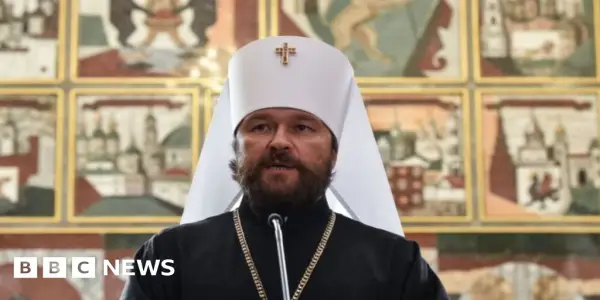
Exiled Russian Orthodox Leader Responds to Spying...
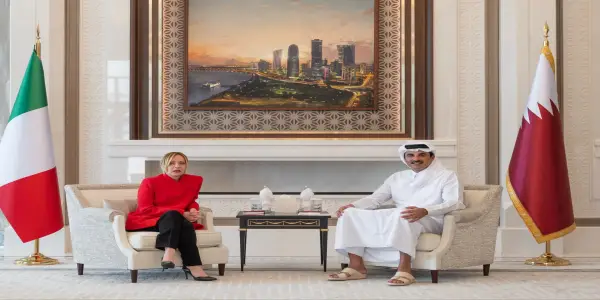
Italy's Meloni Engages with Qatar Emir on Energy...

Miss Universe Cayman Islands Advocates for Global...
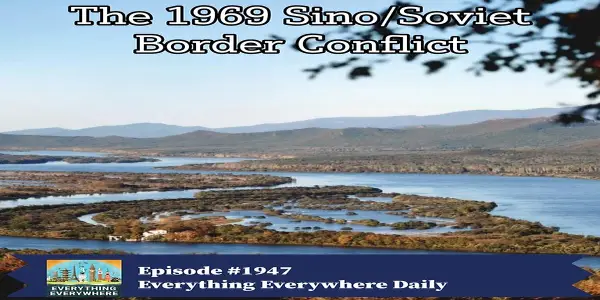
The 1969 Sino-Soviet Border Conflict: A Near Miss...
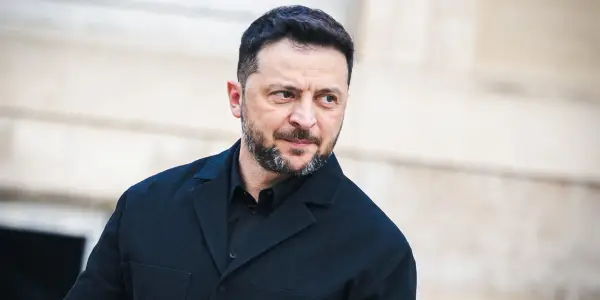
U.S. Lawmakers Express Concerns Over Trump...
Six Finalists Announced for the 2026...
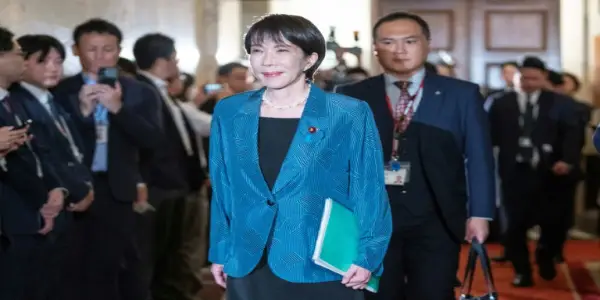
Sanae Takaichi Poised to Become Japan's First...
The Foundation of Friendship: Understanding...