Samsung's Galaxy S26 Expected to Feature Advanced Exynos 2600 Chip
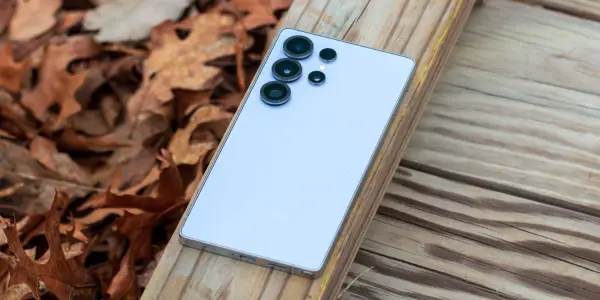
Samsung's Galaxy S26 is set to debut with the powerful Exynos 2600 chip, promising enhanced performance and energy efficiency to rival Qualcomm and Apple.
In-depth analysis
New discoveries
The Exynos 2600 chip is set to debut with significant performance enhancements, particularly in graphical capabilities and multi-core processing. Manufactured using an advanced 2nm process, this chip aims to improve energy efficiency and align with the industry's shift towards more powerful mobile processors.
Mission updates
Samsung is intensifying its focus on artificial intelligence within the Exynos 2600, aiming to outperform competitors like Apple's chips. This strategic shift highlights the increasing importance of AI in mobile technology.
Who is affected
Consumers in South Korea and Europe will likely benefit from the Exynos 2600 in the Galaxy S26 models, while users in Japan and China may continue using Qualcomm's Snapdragon chips. This could impact market dynamics and consumer preferences in these regions.
Next steps
As Samsung prepares for the Exynos 2600 launch, it will continue to monitor performance and stability through a dedicated task force. This initiative aims to ensure the chip meets consumer expectations and industry standards.
Did you know?
Why we should care
The impending release of Samsung's Exynos 2600 chip could redefine smartphone performance, impacting everyday users by enhancing gaming experiences, photography, and app functionality. With improved energy efficiency, users may enjoy longer battery life, making devices more reliable throughout the day. This shift in technology not only influences individual user experiences but also shapes the competitive landscape, ultimately affecting pricing and innovation in mobile devices.
The universe's unsolved mystery
The Exynos 2600 represents a critical intersection of technology and consumer expectation. While advancements in chip manufacturing promise enhanced performance, the ongoing challenge for Samsung is to ensure that these innovations translate into user satisfaction. This tension between technological capability and real-world application remains a key mystery in the rapidly evolving tech universe.
The person who looks at the stars
Meet Maria, a software developer from Seoul, who often finds herself gazing at her smartphone late at night, drawn into virtual worlds that fuel her creativity. For Maria, the Exynos 2600 is more than just another chip; it's a beacon of potential. She relies on her device not only for work but also for inspiration, using apps that harness AI to enhance her coding projects. As she anticipates the performance boost from Samsung's new chip, Maria dreams of seamlessly integrating advanced features into her daily tasks. The prospect of improved graphics and efficiency excites her, promising a more fluid experience that could elevate her work and hobbies alike. Maria's story illustrates how technological advancements ripple through individual lives, shaping not just how we interact with devices but how we innovate and create.

AI Reveals Over 800 New Cosmic Anomalies from...


European Space Agency Unveils Stunning Radar...

Astronomers Capture Unprecedented Black Hole...

New Simulations Shed Light on the Enigmatic...

Andromeda Galaxy's Impact on Its Satellite...

Interstellar Comet 3I/ATLAS Approaches...
SabreSat: An Innovative Air-Breathing Satellite...

Highlights of 2025 in Space Exploration: From...

NASA's X-59 Achieves Historic Supersonic Flight

Portal Systems Aims to Revolutionize Spacecraft...

Rogue Moons: A New Frontier for Life Beyond Stars

Astronomers Discover Ancient White Dwarf Actively...

X-Men Return to Education in Upcoming Comic...
NASA Advances Artemis 2 Mission with Orion...

Potential Alien Disclosure May Trigger Bitcoin...
NASA's ESCAPADE Probes Set for Unique Journey to...

Recent Studies Explore Potential Exoplanet in...

NASA's Ambitious Timeline for Human Exploration...

Daily Roundup: November 10, 2025 – Advancements...

Satellite Imagery Highlights Hurricane Damage...

Mapping the Invisible: Astronomers Uncover Dark...

NASA Unveils New Images of Interstellar Comet...

New Mexico Startup Unveils Ambitious Plan to...

Astrophotographer Captures Stunning Image of...

James Webb Telescope Identifies Rapidly Growing...

Ancient Galaxies: A Chaotic Early Universe...
Assessing the Financial Impact of NASA's Apollo...
Unraveling the Mysteries of Mars: Recent...
NASA and European Partners Prepare for...

OnePlus 15 vs. Samsung Galaxy S25 Plus: A Clash...

Study Suggests the Universe's Expansion May Be...

Astronomers Uncover Evidence of Aging Stars...

Unusual Wind from Neutron Star Challenges Space...

Collaboration Between Exoplanet Researchers and...

Artemis 2 Astronauts Safely Return After Historic...

Lenovo's Legion Tab Gen 3 Sees Significant Black...


X5.1 Solar Flare Triggers G4 Geomagnetic Storm...

Blue Origin Faces Major Setback as New Glenn...