U.S. Senate Proposes New National Institute for Space Research Amid China's Expanding Space Program

In response to China's advancements in space exploration and the impending retirement of the International Space Station, U.S. senators are advocating for the establishment of a new research institute to bolster American competitiveness in the field.
In-depth analysis
New discoveries
The proposal for a National Institute for Space Research is driven by the need to counteract China's advancements in space capabilities, particularly with the Tiangong space station. This initiative aims to facilitate innovative research opportunities that could emerge in the post-International Space Station era, ensuring the U.S. remains at the forefront of space exploration.
Mission updates
A bipartisan group of U.S. senators is actively advocating for the establishment of the National Institute for Space Research, emphasizing its importance in maintaining U.S. leadership in space initiatives.
Who is affected
The proposed institute will impact a wide range of stakeholders, including private space companies, researchers, and small businesses, all of whom could benefit from enhanced collaboration and support in the evolving space research landscape.
Next steps
The proposed legislation, known as the Space RACE Act, requires Congressional approval to move forward. If passed, it could significantly reshape the U.S. approach to space research and development.
Did you know?
Why we should care
The establishment of a National Institute for Space Research could directly impact innovations in healthcare, climate science, and technology that emerge from space research. As the ISS winds down, U.S. scientists risk losing vital research opportunities essential for breakthroughs that affect daily lives, from medical advancements to environmental monitoring. A strong U.S. presence in space ensures that these benefits continue to enhance quality of life here on Earth.
The universe's unsolved mystery
The quest for understanding the cosmos is more than just a scientific endeavor; it’s a reflection of humanity’s insatiable curiosity. As nations vie for dominance in space, the question arises: what ethical responsibilities do we hold in this new age of exploration? The challenge lies not only in technological advancement but in ensuring that the benefits of space research are shared equitably across the globe.
The person who looks at the stars
Meet Elena Martinez, a high school science teacher in Tucson, Arizona, who inspires her students with tales of the cosmos. Every night, she takes her telescope to the rooftop, inviting students to explore the wonders of the night sky. For Elena, the prospect of a National Institute for Space Research represents hope—a chance for her students to engage in groundbreaking research that could lead to solutions for Earth’s challenges. As she watches her students gaze upward, she sees the spark of curiosity, a reminder that the future of space exploration could ignite dreams and foster innovation among the next generation. 'We must lead in space, not just for ourselves but for the dreamers of tomorrow,' she often says, embodying the spirit of ambition that the proposed institute aims to cultivate.

Jonathan Davies Urges England to Create New...
India Successfully Launches CMS-03 Military...

Innovative Portable Reflecting Telescope...

Webb Telescope Reveals Unprecedented Cosmic...
SpaceX Faces Challenges in Meeting NASA's 2027...

Interstellar Comet 3I/ATLAS Approaches...

Euclid Space Telescope Discovers Hidden Stars in...

Astronauts aboard the ISS Capture Stunning Images...

Astronomers Discover Ancient White Dwarf Actively...

OnePlus 15 vs. Samsung Galaxy S25 Plus: A Clash...

New Simulations Shed Light on the Enigmatic...
NASA's ESCAPADE Probes Set for Unique Journey to...

Foundation Season 3 Hints at Deeper Asimov Themes...

SpaceX Achieves 150th Falcon 9 Launch with...

Satellite Imagery Reveals Extensive Damage Across...

Samsung Unveils Unprecedented Black Friday Deal...

Exploring Alternatives to the Meta Quest 3 Elite...
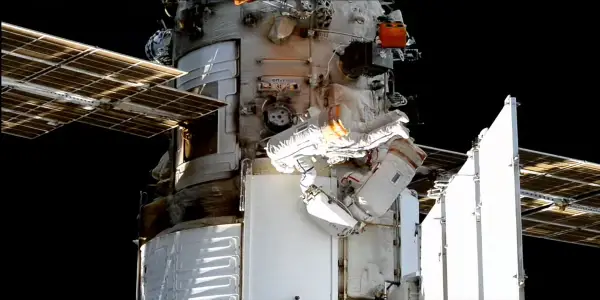
Russian Cosmonauts Conduct Extended Spacewalk to...
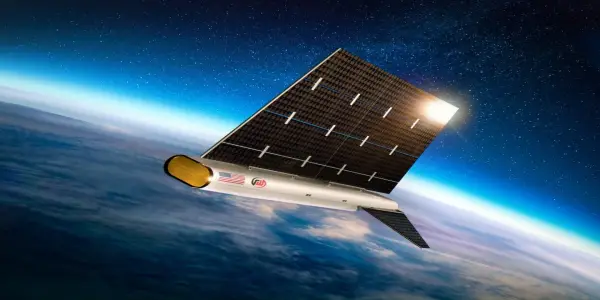
SabreSat: An Innovative Air-Breathing Satellite...
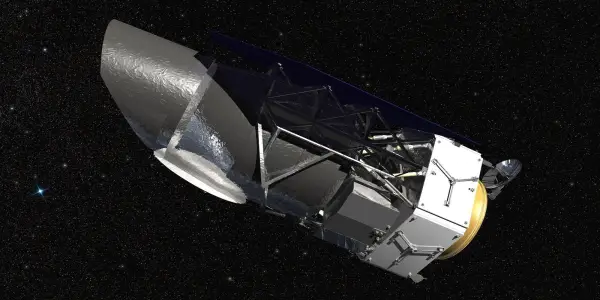

Exploring the Composition of Cosmic Voids

Artemis 2 Astronauts Safely Return After Historic...
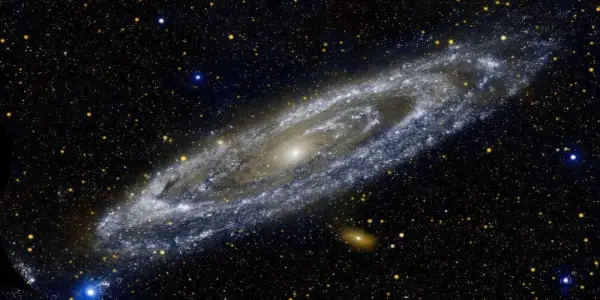
Andromeda Galaxy's Impact on Its Satellite...

Discovery of a Planet Formation Zone Beyond...

Astrophysicists Unveil Dark Universe Through...

Urwerk Unveils Limited-Edition 100V 'LightSpeed'...

NASA Unveils New Images of Interstellar Comet...

NASA's Campaign to Monitor Interstellar Comet...

Mapping the Invisible: Astronomers Uncover Dark...

AI Reveals Over 800 New Cosmic Anomalies from...

Potential Alien Disclosure May Trigger Bitcoin...

European Space Agency Unveils Stunning Radar...
Fintech Founder Champions Innovation Through...

The Pleiades Star Cluster Reveals Its Extensive...

Portal Systems Aims to Revolutionize Spacecraft...

Intense Solar Storm May Illuminate Skies Across...

Daily Roundup: November 10, 2025 – Advancements...
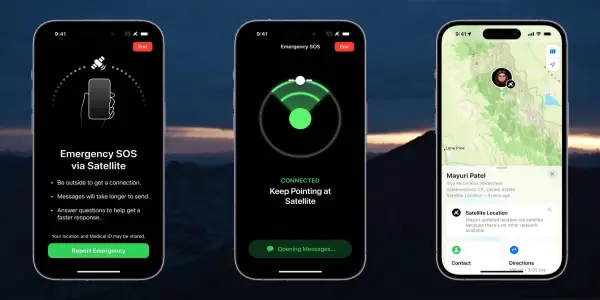
Apple Introduces Emergency SOS via Satellite in...

Enhance Your Weather Preparedness with Weather...