Central Bank Manager Faces Allegations of Unlawful Dismissal Amid Employee Complaint

A Central Bank manager faces allegations of unlawful dismissal after terminating employee Nigar Babayeva, raising critical questions about workplace rights i...
In-depth analysis
Background context
The case involving Nigar Babayeva, a forensic investigator at the Central Bank of Ireland, has garnered attention following her dismissal by a manager who allegedly exceeded his authority. Babayeva's legal actions under the Protected Disclosures Act and the Unfair Dismissals Act highlight significant concerns regarding workplace rights and the treatment of whistleblowers in Ireland.
Key political implications
This case underscores the need for stronger regulations surrounding employee protections, particularly for whistleblowers, potentially influencing future legislative reforms aimed at safeguarding workplace rights.
Who gains / who loses
If Babayeva succeeds in her legal battle, it may empower employees to challenge unfair dismissals and encourage more whistleblowing in corporate settings. Conversely, a ruling against her could embolden management to act without fear of repercussions.
Possible future scenarios
The outcome of the hearing could establish a precedent for how similar cases are adjudicated, influencing organizational policies on employee complaints and managerial authority in the workplace.
Did you know?
Why you should know this
This case underscores the fragile nature of workplace rights, particularly for those who dare to speak out. For employees across Ireland, the outcome could redefine what protections are available when reporting misconduct. If Babayeva prevails, it may empower others to voice concerns without fear of retaliation, fostering a healthier work environment for all.
Behind the political curtain
Interestingly, the Protected Disclosures Act, under which Babayeva is pursuing her case, was introduced only in 2014. Despite its intent to safeguard whistleblowers, many employees remain unaware of their rights under this legislation, highlighting a crucial gap in workplace education.
Ordinary person in an extraordinary situation
Meet Nigar Babayeva, a forensic investigator whose career took an unexpected turn when she decided to report alleged misconduct. While on sick leave, she faced an abrupt dismissal that not only jeopardized her job but also her sense of justice. For Nigar, this was more than a legal battle; it was a fight for dignity in the workplace. As she navigates the complexities of this case, the emotional toll weighs heavily on her, but her determination to stand up for her rights resonates with many who fear retaliation for speaking out. Nigar's story highlights the courage it takes to challenge authority and the potential ripple effect her case could have on workplace policies across the country.
Expert Commentary

Spain's Attorney General Convicted in...

The Fate of the Maquis in Star Trek: A Missed...

New Yorkers Kick Off Early Voting for Mayoral...
Jim Avila, Esteemed ABC News Correspondent, Dies...

U.S. Embassies Redefine Human Rights:...
Bangladesh Seeks India's Assistance in...
Iraq's Parliamentary Elections: Key Insights...
Denmark's Prime Minister Advocates for Stricter...

Exploring Intimacy and Isolation in Claire-Louise...

US-South Korea Agreement to Develop...

Indian Trade Unions Rally Against New Labour...

Cuban Authorities Engage in Deadly Clash with...

The 1969 Sino-Soviet Border Conflict: A Near Miss...
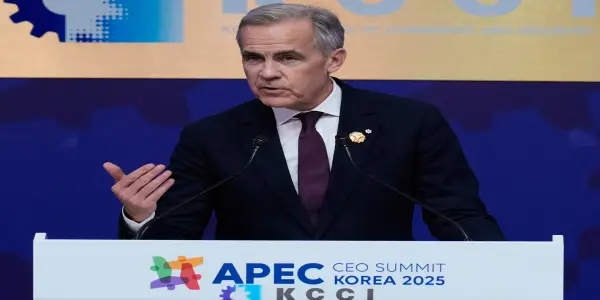
Canada and China Take Steps Toward Repairing...

Jetpack Navigation 3 Achieves Stability for...

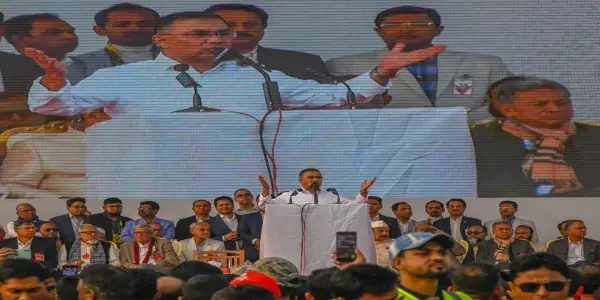
Tarique Rahman's Homecoming: A Potential Turning...

AfD Leader Raises Concerns Over Potential Threats...
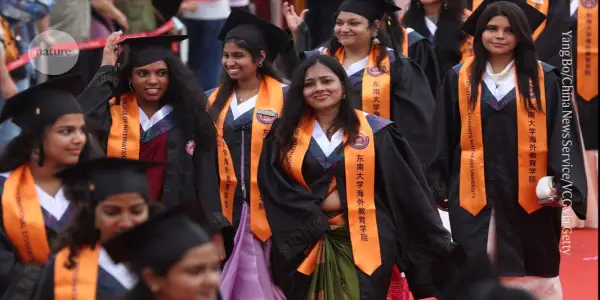
China's Shift to a Cautious Research Strategy...

Bangladesh's International Crimes Tribunal...
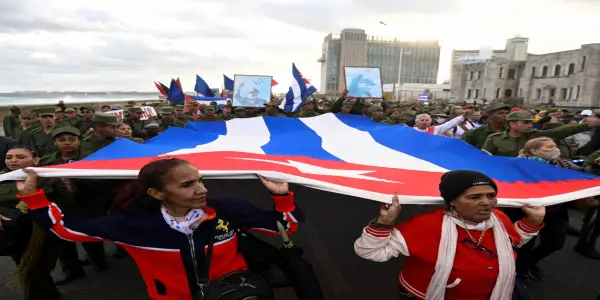
Cuba Rejects U.S. Security Threat Claims Amid...

NFL Players Union Faces Grievance Over Annual...
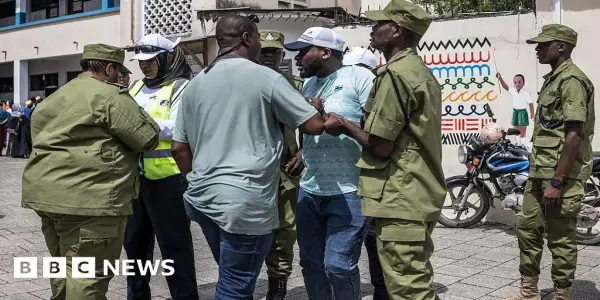
Kenya Urges Protection for Citizens Amid...

Germany Resumes Arms Exports to Israel Amid...

Geopolitical Tensions Surround Palau Amid...
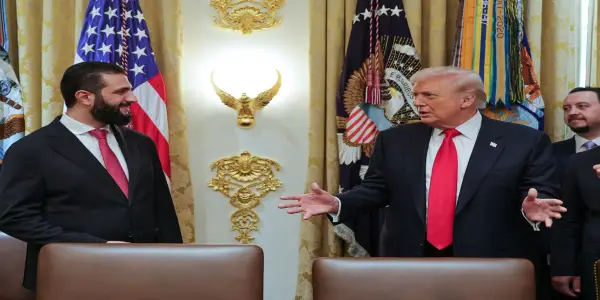
U.S. Extends Sanctions Relief as Syrian Leader...

Misjudgments in Military Strategy: The Lessons...

WWE Raw Recap: Titles Change Hands in Thrilling...

Key Insights from Trump's National Security...
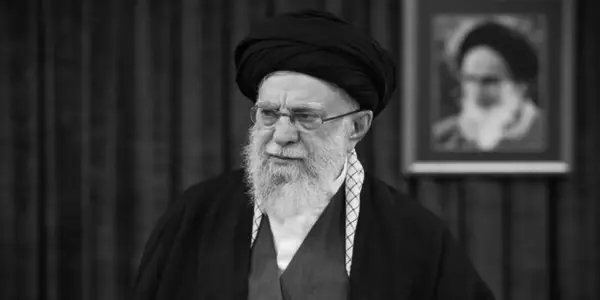
Khamenei Assassination: A Pivotal Shift in...

Saudi Crown Prince Mohammed bin Salman Set for...
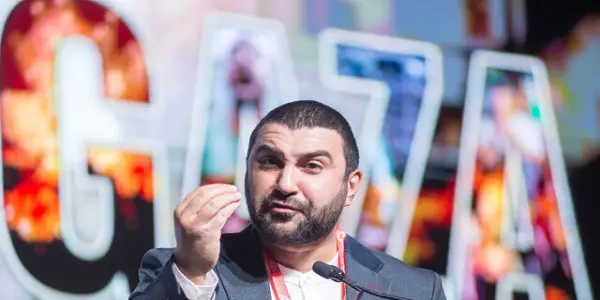
U.S. Authorities Detain British Journalist Linked...

Saudi Crown Prince's Invitation to the White...
Zohran Mamdani Secures Victory in New York City...
South Africa's G20 Presidency: A Mixed Legacy of...
South Korea Initiates First Military Talks with...

NASA Unveils Stunning Images of Interstellar...

Japan and Finland in Diplomatic Tension Following...
Democrats Celebrate Recent Wins Amidst Internal...

U.S. Lawmakers Express Concerns Over Trump...