France's Uncertainty Impacts FCAS Project, Prompting Europe to Explore Alternatives for Next-Gen Fighter Jet
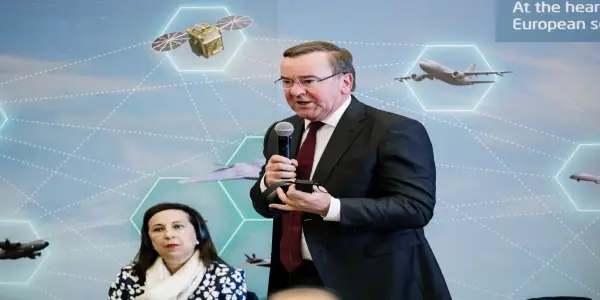
With France facing political instability and lacking a permanent defense minister, the Future Combat Air System project is at a standstill, leading European nations to consider alternative paths for their next-generation fighter jet.
In-depth analysis
Background context
The Future Combat Air System (FCAS) project, a joint initiative between France, Germany, and Spain, aims to create an advanced fighter jet. However, France's political instability and lack of a dedicated defense minister have jeopardized this collaboration, raising doubts about the project's future and prompting discussions about alternative paths for the involved nations.
Key political implications
France's internal turmoil could undermine European defense cooperation, complicating relationships between key partners and potentially diminishing the continent's collective military capabilities.
Who gains / who loses
Germany and Spain could benefit from pursuing alternatives like the Global Combat Air Programme, but they risk losing significant influence and industrial returns by not collaborating with France. Conversely, France may suffer a setback in defense leadership if it withdraws from FCAS.
Possible future scenarios
Germany and Spain may choose to proceed independently with new partners, such as Sweden, or continue discussions within the GCAP framework. However, significant technical challenges and geopolitical dynamics will shape the feasibility of these options.
Did you know?
Why you should know this
The FCAS project represents not just military innovation, but also the intricate web of international defense cooperation. The outcome affects not only military contracts but also jobs and technological advancements across Europe. As nations navigate political shifts, the repercussions could ripple through local economies, impacting industries reliant on defense contracts and innovation.
Behind the political curtain
In 2018, France, Germany, and Spain committed to the FCAS project with a bold vision of creating a next-gen fighter by 2040. However, this ambitious timeline is now in jeopardy due to France's current political instability, which is a significant deviation from their previously unified stance on defense initiatives.
Ordinary person in an extraordinary situation
Meet Clara, a 34-year-old aerospace engineer in Toulouse, France, who has dedicated the last decade to the FCAS project. With uncertainty looming, she faces the prospect of layoffs as the project stalls. Clara's passion for innovation and defense technology was ignited by her father, a retired fighter pilot. Now, she finds herself torn between hope for collaboration and anxiety over potential job loss. The ripple effect of these political developments is personal; for her, the future isn’t just about technology, but about her livelihood and the legacy of her father’s service. Clara's story exemplifies how geopolitical decisions can directly impact individuals, their careers, and their communities.
Expert Commentary

Spain's Attorney General Convicted in...

The Fate of the Maquis in Star Trek: A Missed...

New Yorkers Kick Off Early Voting for Mayoral...
Jim Avila, Esteemed ABC News Correspondent, Dies...

U.S. Embassies Redefine Human Rights:...
Bangladesh Seeks India's Assistance in...

Iraq's Parliamentary Elections: Key Insights...

Denmark's Prime Minister Advocates for Stricter...

Exploring Intimacy and Isolation in Claire-Louise...
US-South Korea Agreement to Develop...
Indian Trade Unions Rally Against New Labour...

Cuban Authorities Engage in Deadly Clash with...

The 1969 Sino-Soviet Border Conflict: A Near Miss...
Canada and China Take Steps Toward Repairing...

Jetpack Navigation 3 Achieves Stability for...

Tarique Rahman's Homecoming: A Potential Turning...

AfD Leader Raises Concerns Over Potential Threats...

China's Shift to a Cautious Research Strategy...

Bangladesh's International Crimes Tribunal...
Cuba Rejects U.S. Security Threat Claims Amid...

NFL Players Union Faces Grievance Over Annual...
Kenya Urges Protection for Citizens Amid...
Germany Resumes Arms Exports to Israel Amid...
Geopolitical Tensions Surround Palau Amid...
U.S. Extends Sanctions Relief as Syrian Leader...

Misjudgments in Military Strategy: The Lessons...

WWE Raw Recap: Titles Change Hands in Thrilling...
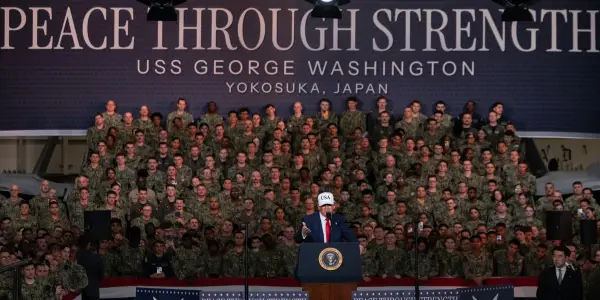
Key Insights from Trump's National Security...
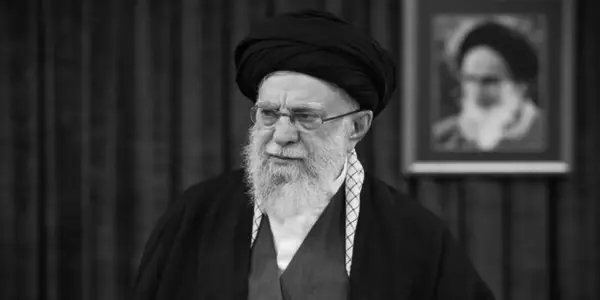
Khamenei Assassination: A Pivotal Shift in...

Saudi Crown Prince Mohammed bin Salman Set for...
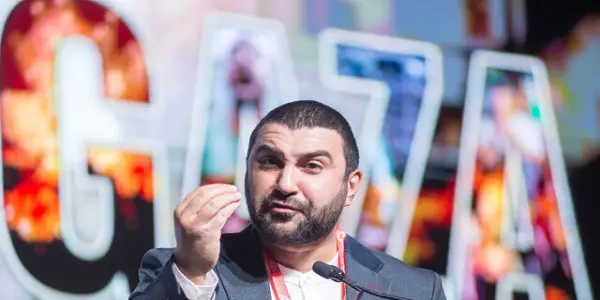
U.S. Authorities Detain British Journalist Linked...
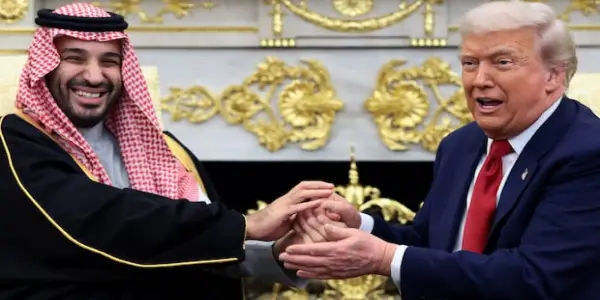
Saudi Crown Prince's Invitation to the White...

Zohran Mamdani Secures Victory in New York City...

South Africa's G20 Presidency: A Mixed Legacy of...
South Korea Initiates First Military Talks with...

NASA Unveils Stunning Images of Interstellar...

Japan and Finland in Diplomatic Tension Following...

Democrats Celebrate Recent Wins Amidst Internal...

U.S. Lawmakers Express Concerns Over Trump...