James Webb Space Telescope Captures Stunning Image of Star Formation
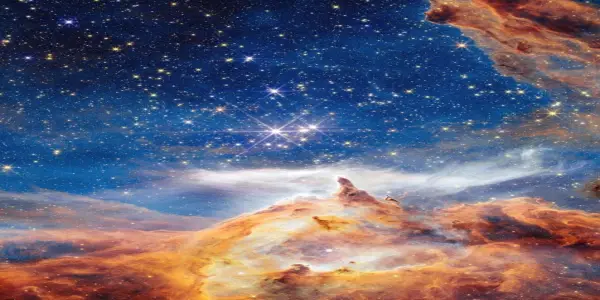
The latest image from the James Webb Space Telescope reveals a breathtaking view of the Pismis star cluster, showcasing the dynamic processes of star birth in a region over 5,000 light-years away.
In-depth analysis
New discoveries
The James Webb Space Telescope has revealed a stunning new image of the Pismis star cluster, showcasing the ongoing formation of stars in this dynamic region over 5,000 light-years away. This discovery highlights the intricate processes of stellar birth and the complex interactions between gas and radiation in a stellar nursery, offering fresh insights into cosmic evolution.
Mission updates
The JWST continues to advance its mission objectives, providing unprecedented views of stellar systems like Pismis. Its latest findings underscore the telescope's ability to enhance our understanding of star formation and the intricate structures within cosmic environments.
Who is affected
Astronomers and astrophysicists are particularly impacted by these new findings, as they provide crucial data for understanding stellar formation processes. Additionally, the general public benefits from the captivating imagery that inspires interest in space exploration and scientific discovery.
Next steps
Future observations with the JWST will focus on further analyzing the Pismis star cluster and similar regions. Researchers aim to deepen their understanding of stellar formation and the role of massive stars in shaping the cosmos.
Did you know?
Why we should care
The James Webb Space Telescope's latest image of the Pismis star cluster isn't just a stunning view; it reveals the processes that govern star formation, directly impacting our understanding of the universe's evolution. This knowledge can influence everything from how we perceive our own solar system's origins to the potential for life on distant planets. The telescope's findings connect us to the cosmos, reminding us that our existence is shaped by the same forces at play across the universe.
The universe's unsolved mystery
The Pismis star cluster highlights a fundamental question in astrophysics: how do massive stars form and evolve in such chaotic environments? While we've made strides in understanding stellar birth, the intricate dynamics of gas, dust, and radiation in these clusters remain largely a mystery. Each new observation from the JWST raises more questions, challenging our current theories and pushing the boundaries of what we know about cosmic birth and death.
The person who looks at the stars
Meet Sarah, an aspiring astrophysicist from a small town in Ohio. Every night, she sets up her telescope in her backyard, gazing at the stars that hang like distant dreams. The recent image from the JWST of the Pismis cluster ignited her passion anew. For Sarah, each twinkling star symbolizes potential and discovery. As she studies the intricate details of stellar formation, she feels a connection to the universe that fuels her ambition. Sarah dreams not only of understanding these cosmic phenomena but also of inspiring others to look up and explore the unknown, bridging the gap between the cosmos and our everyday lives.
Expert Commentary

Samsung Galaxy S26 Expected to Feature Enhanced...
X5.1 Solar Flare Triggers G4 Geomagnetic Storm...

Exploring Alternatives to the Meta Quest 3 Elite...
NASA's X-59 Achieves Historic Supersonic Flight

Samsung's Galaxy S26 Ultra Set for Significant...

Unistellar eQuinox 2 Smart Telescope Sees...
NASA's Campaign to Monitor Interstellar Comet...
New Mexico Startup Unveils Ambitious Plan to...

Satellite Imagery Highlights Hurricane Damage...
New Insights into Gamma Ray Emissions Could...
India Successfully Launches CMS-03 Military...
Portal Systems Aims to Revolutionize Spacecraft...
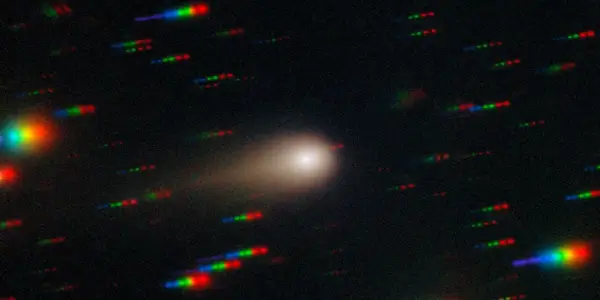
Interstellar Comet 3I/ATLAS Approaches...

FULU Foundation Introduces Repair Bounty System...
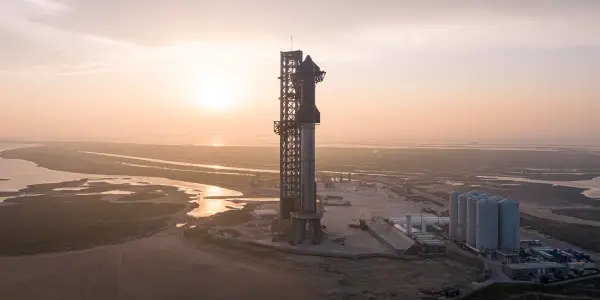
NASA's Artemis 3 Moon Mission Delayed to 2028 Due...

X-Men Return to Education in Upcoming Comic...
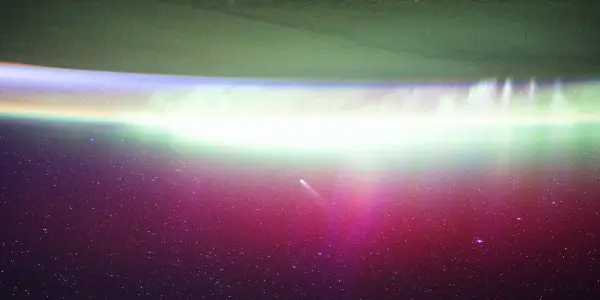
Astronauts aboard the ISS Capture Stunning Images...
Fintech Founder Champions Innovation Through...
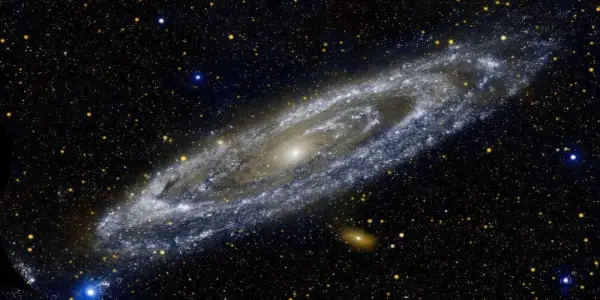
Andromeda Galaxy's Impact on Its Satellite...
Study Suggests the Universe's Expansion May Be...
Mapping the Invisible: Astronomers Uncover Dark...
Boeing's Upcoming Starliner Mission Set for April...
AI Reveals Over 800 New Cosmic Anomalies from...
Intense Solar Storm May Illuminate Skies Across...
Ancient Galaxies: A Chaotic Early Universe...

Enhance Your Weather Preparedness with Weather...

Samsung Unveils Unprecedented Black Friday Deal...
The Impact of Space Technology on Everyday Life
Congress Questions NASA's Facility Closures Amid...

Jeff Bezos's AI Hardware Venture Takes Aim at...
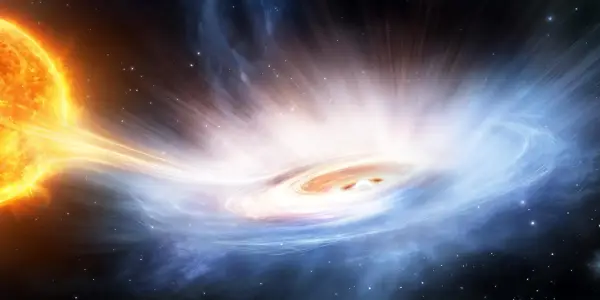
Unusual Wind from Neutron Star Challenges Space...
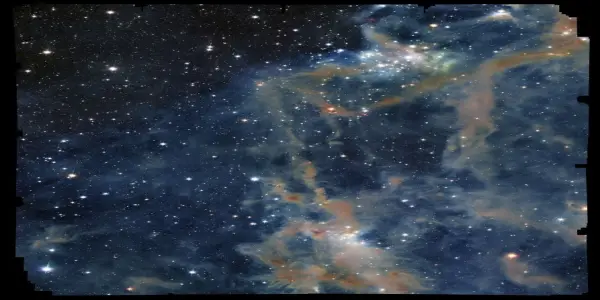
Euclid Space Telescope Discovers Hidden Stars in...
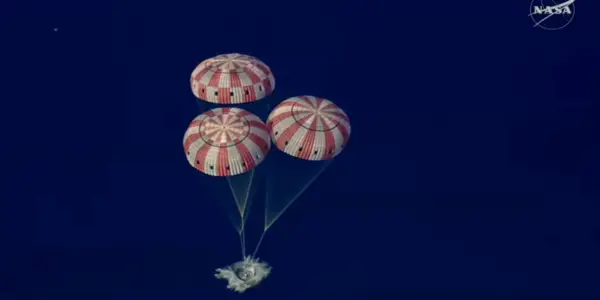
Artemis 2 Astronauts Safely Return After Historic...
Potential Evidence of Dark Matter Emerges from...
Exploring the Composition of Cosmic Voids
Breakthrough in Milky Way Simulation Using AI...
Astronomers Capture Unprecedented Black Hole...
Unraveling the Mysteries of Mars: Recent...
European Space Agency Unveils Stunning Radar...